
Paint protection film (PPF) is designed to protect your vehicle’s finish from future damage, but many drivers wonder whether it can improve the appearance of scratches that are already present. The answer depends on the condition of the paint before installation.
Paint protection film cannot remove or repair existing scratches. Because PPF is a transparent protective layer, imperfections already present on the surface may remain visible after installation. For the cleanest result, proper preparation, including paint correction when needed, should be completed before applying the film.
For vehicle owners in Sterling, VA, understanding how PPF works and what preparation is required can help you make a more informed decision about protecting your investment.
What Does Paint Protection Film Protect Against?
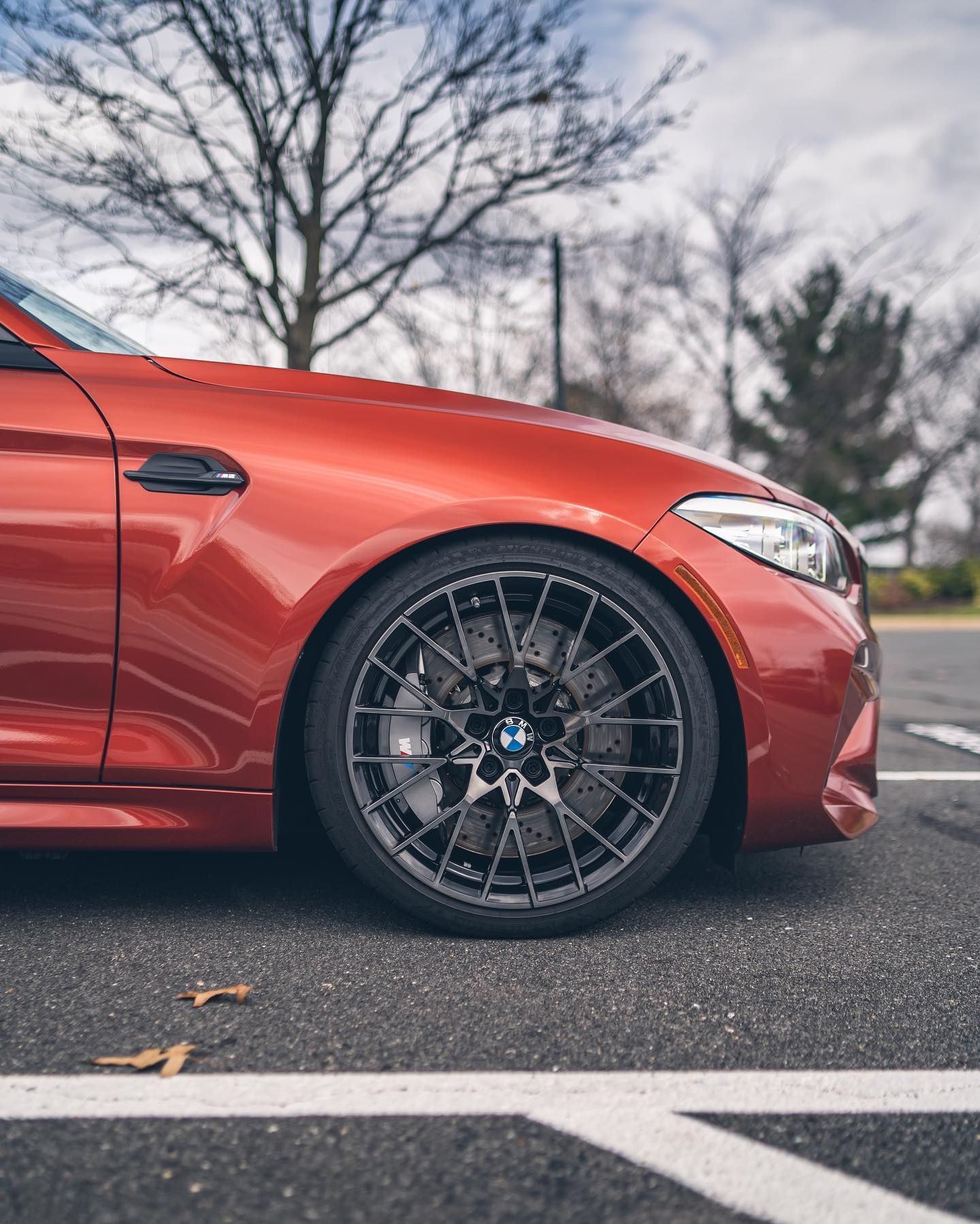
Paint protection film is a clear polyurethane layer applied to painted vehicle surfaces to help defend against everyday hazards. It creates a barrier between your paint and common sources of damage, including rock chips, road debris, insect residue, and minor surface wear.
Many drivers choose PPF because it helps preserve the original appearance of their vehicle while reducing the impact of daily driving conditions. Premium films can also include features such as hydrophobic coatings and self-healing technology designed to improve the durability and appearance of the film over time.
At GlasWerks DMV, we install STEK paint protection film products, including STEK DYNOshield. These films are designed to provide long-term protection while maintaining the appearance of the vehicle’s original finish.
However, even advanced PPF products are not designed to correct existing paint damage. The condition of the surface before installation plays an important role in the final result.
What Happens If PPF Is Installed Over Existing Scratches?
One of the most common misconceptions about paint protection film is that it can hide imperfections underneath the surface. While PPF can protect your vehicle from future damage, it does not fill in scratches or restore damaged paint.
If scratches, swirl marks, or other imperfections are already present, they may still be visible beneath the film. Since PPF is designed to be nearly invisible, it allows the vehicle’s existing finish to show through.
The severity of the damage determines what preparation may be needed.
Light Swirls and Clear Coat Imperfections
Light swirls and minor surface imperfections typically affect the clear coat. These marks often develop from improper washing methods, automatic car washes, or everyday vehicle use.
Installing PPF over these imperfections will not remove them. If you want the paint beneath the film to have a smoother appearance, paint correction may be recommended before installation.
Deeper Scratches and Paint Damage
Deeper scratches require a closer inspection because they may extend beyond the clear coat. If a scratch reaches the base coat or primer, polishing may not be enough to fully correct the damage.
Applying film over deeper damage may leave the imperfection visible beneath the surface. A professional installer should evaluate the vehicle before installation to determine whether additional repair or preparation is needed.
Why Paint Preparation Matters Before PPF Installation
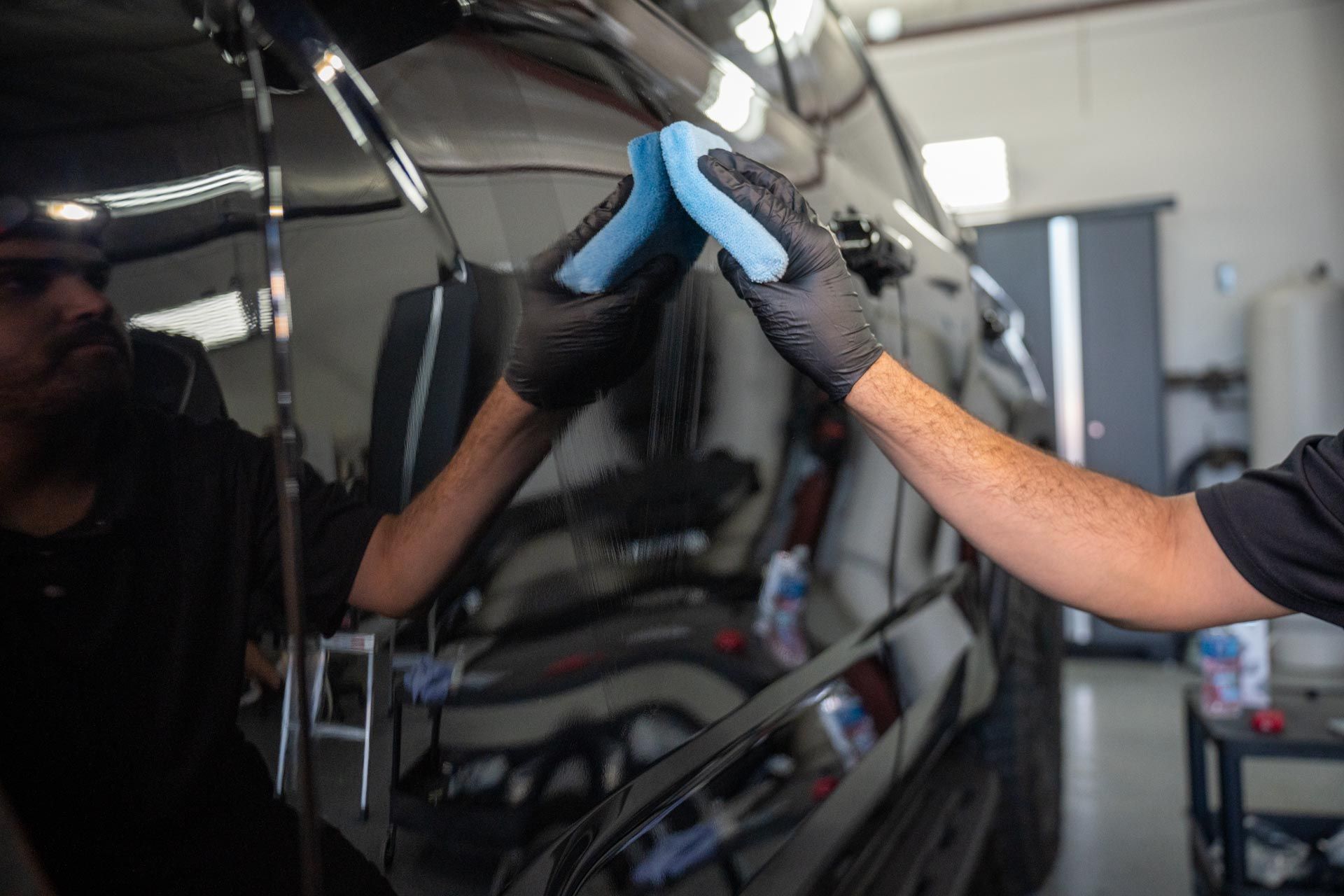
A successful PPF installation starts with a properly prepared surface. Paint correction helps refine the clear coat and improve the overall appearance of the vehicle before the protective film is applied.
During paint correction, technicians carefully remove or reduce visible imperfections based on the condition of the finish. The goal is to create a smoother foundation so the PPF enhances the vehicle rather than preserving defects underneath it.
At GlasWerks DMV, each vehicle is inspected before film installation. If a panel requires attention, our team explains the available options and helps determine the appropriate preparation process.
Depending on the condition of the vehicle, preparation may include:
- Paint enhancement to reduce light imperfections
- Multi-stage correction for more noticeable defects
- Additional repair recommendations for scratches that cannot be polished away
Proper preparation helps ensure the final installation delivers the clean appearance vehicle owners expect.
How Does Self-Healing PPF Work?
Modern paint protection film often includes self-healing technology that helps maintain the appearance of the film itself.
When minor surface marks develop on the film, heat from sunlight or warm water can help the top layer return to a smoother appearance. This technology is designed to improve the durability and appearance of the protective layer.
However, self-healing properties only apply to the film. They do not repair scratches that existed on the vehicle’s paint before installation.
Understanding this difference helps vehicle owners have realistic expectations about what PPF can accomplish.
Does PPF Help Prevent Future Scratches?
While PPF cannot correct existing scratches, it can help protect against many types of future damage.
The benefits of professionally installed paint protection film include:
- Helping protect against rock chips and road debris
- Reducing exposure to everyday surface hazards
- Making maintenance easier with hydrophobic film options
- Helping preserve the original paint condition
- Providing long-lasting protection when properly maintained
For drivers looking for scratch protection, the most effective approach is combining quality film with proper preparation and expert installation.
Why Professional Installation Makes a Difference
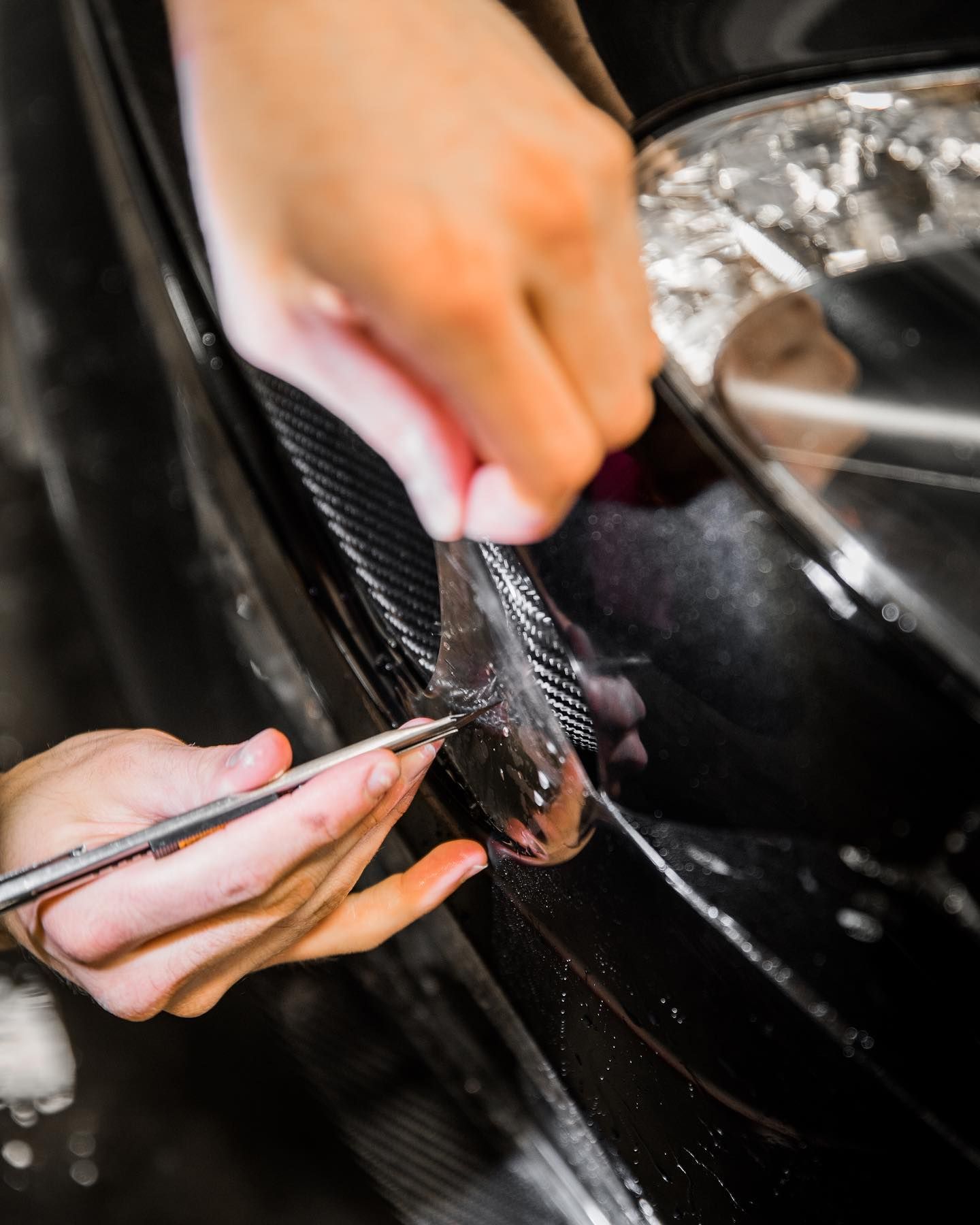
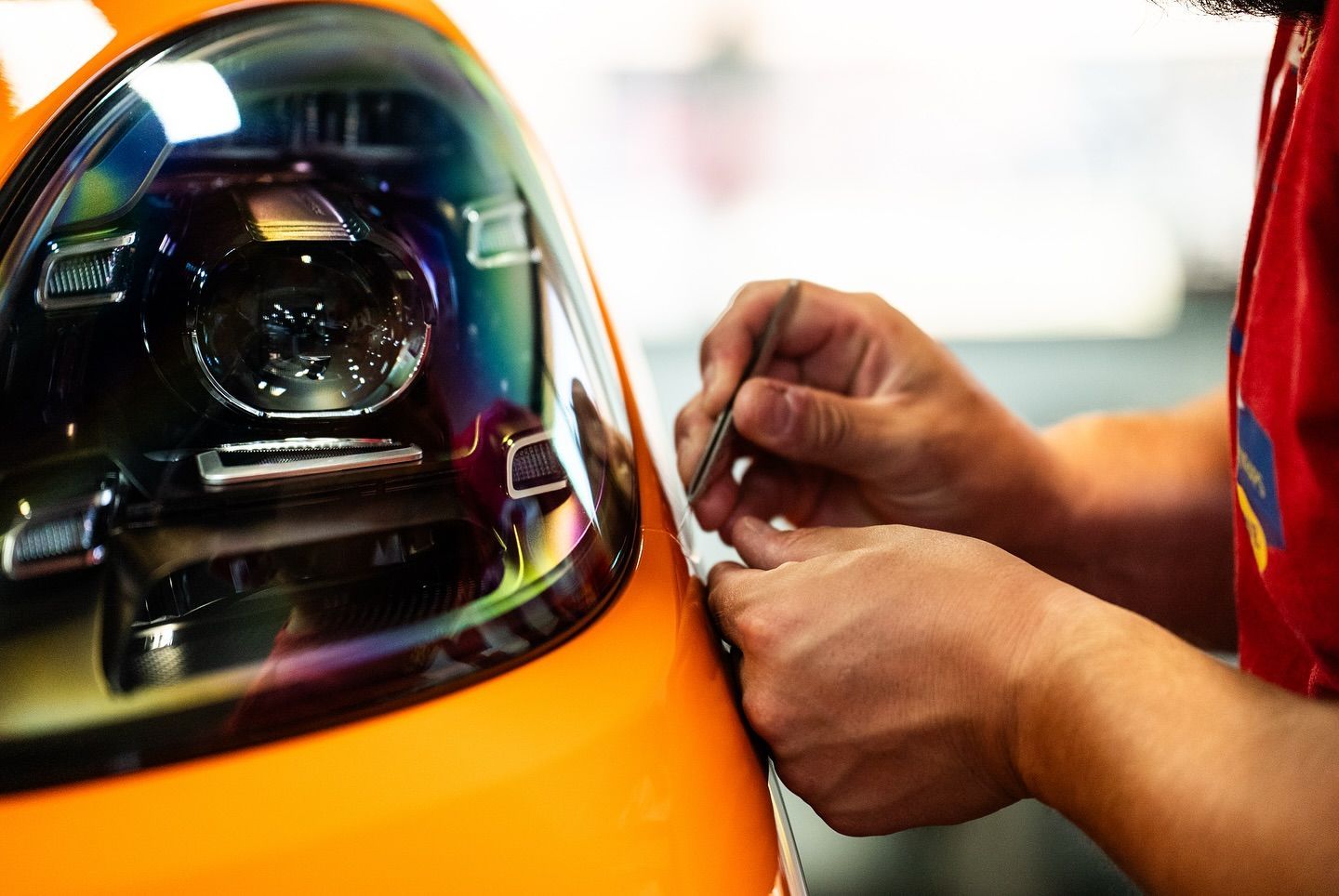
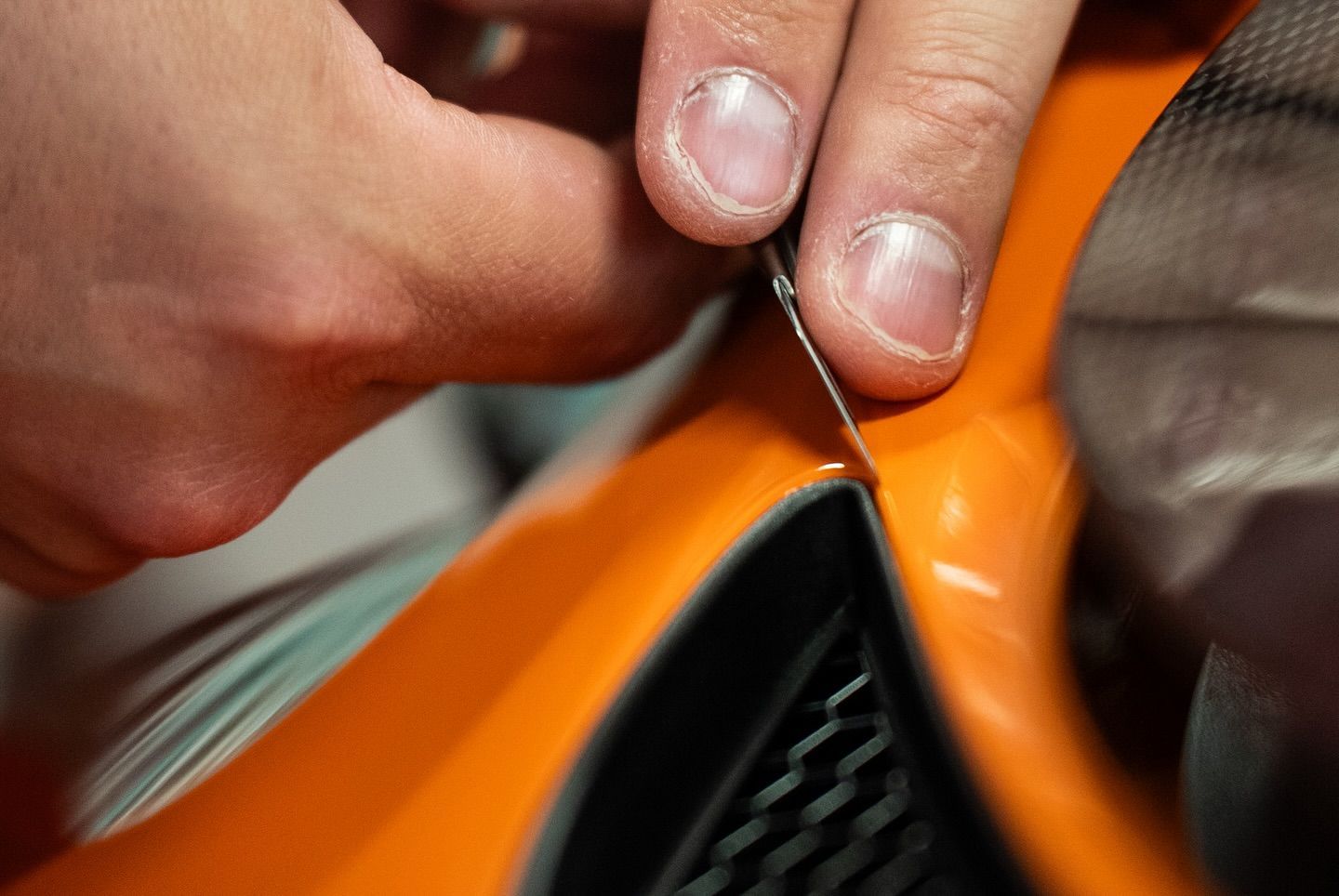
Applying paint protection film requires precision, experience, and attention to detail. The film must be installed on a clean surface and carefully positioned around curves, edges, and vehicle contours.
Professional installation helps provide:
- Proper film alignment
- Cleaner edges and finishing details
- Reduced risk of contamination beneath the film
- A consistent appearance across the vehicle
At GlasWerks DMV, our team evaluates each vehicle individually and recommends a protection plan based on the vehicle’s condition, driving habits, and goals.
We offer multiple coverage options, including front-end protection, driver packages, and full-body installations. Whether you are protecting a daily driver, luxury vehicle, or performance car, the right preparation and installation process can make a significant difference.
Frequently Asked Questions About PPF and Existing Scratches
Can PPF hide existing scratches?
No. Paint protection film does not remove existing scratches. Because the film is transparent, imperfections underneath the surface may remain visible after installation.
Does paint protection film cover scratches?
PPF can protect against future damage, but it does not repair scratches that are already present on the vehicle’s paint.
Should I get paint correction before PPF?
If your vehicle has visible imperfections, paint correction may help create a smoother surface before installation. A professional inspection can determine whether correction is recommended.
Can self-healing PPF repair existing paint damage?
No. Self-healing technology works on the film itself and helps reduce the appearance of minor marks that occur on the protective layer.
Protect Your Vehicle With the Right Preparation
The best results come from combining proper surface preparation with professional installation. While paint protection film cannot remove existing scratches, it can provide valuable protection against future damage when applied correctly.
At GlasWerks DMV, we help Sterling, VA, drivers understand their options and choose the right approach for their vehicle. Our team serves customers throughout Great Falls, McLean, Potomac, Bethesda, Vienna, Falls Church, Arlington, Fairfax, Loudoun County, Travilah, Aldie, and Ashburn.
Call GlasWerks DMV at
(571) 370-8500 or
request a consultation to learn how professional PPF installation can help protect your vehicle’s finish.