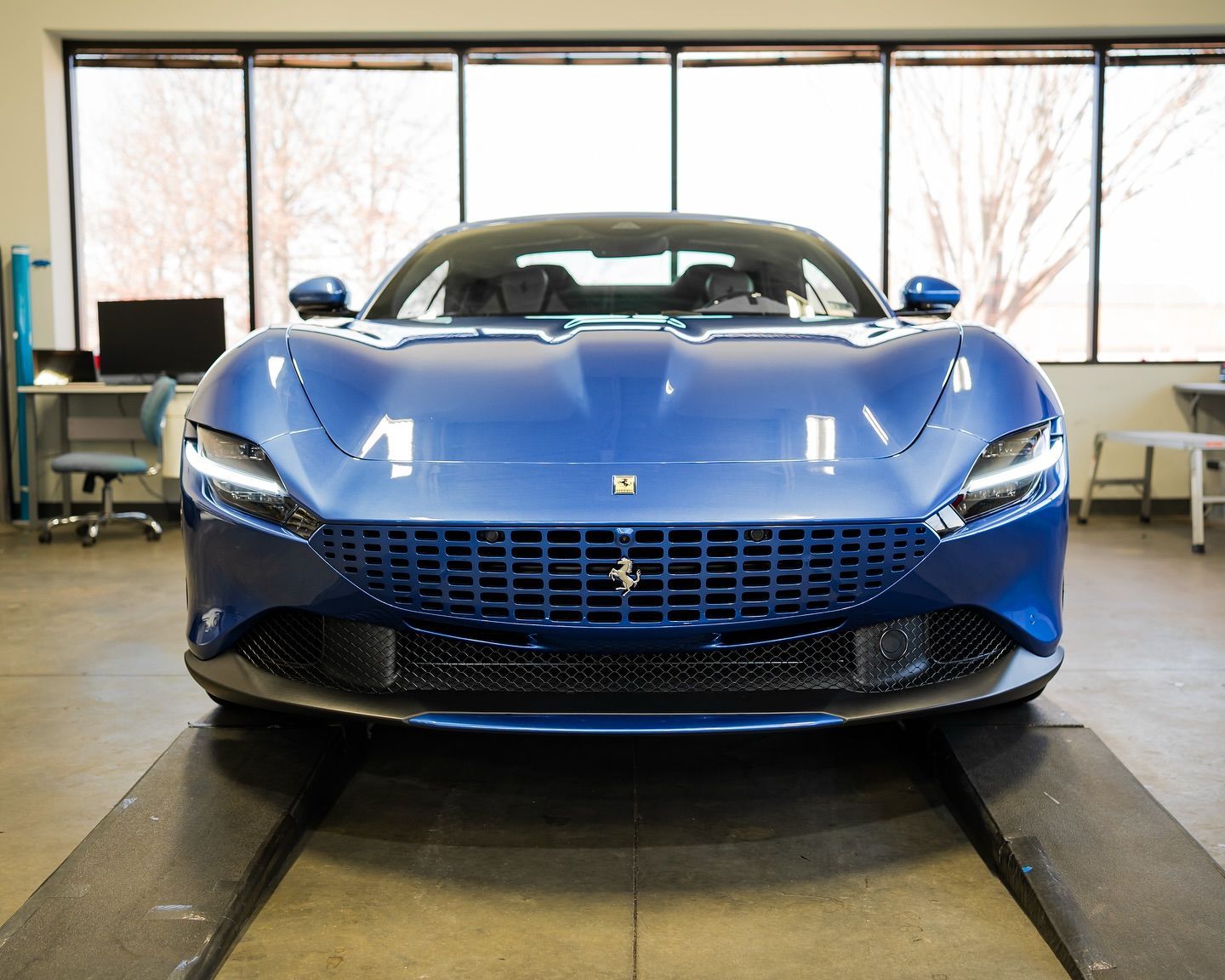

A ceramic coating is one of the best ways to protect your vehicle's paint, enhance gloss, and simplify maintenance. When professionally installed, a quality ceramic coating can provide years of protection against UV rays, environmental contaminants, and everyday wear.
Unfortunately, not all ceramic coatings perform as expected. Some begin losing their hydrophobic properties, gloss, or protective qualities within the first year. For vehicle owners in Sterling, VA and throughout Northern Virginia, understanding why ceramic coatings fail can help you make a smarter investment and avoid costly mistakes.
Why Do Ceramic Coatings Fail Early?
The most common reason ceramic coatings fail prematurely is improper surface preparation. Ceramic coatings form a chemical bond with your vehicle's clear coat. If contaminants, polishing oils, or imperfections remain on the surface, the coating cannot properly adhere.
Other common causes include:
- Poor installation techniques
- Low-quality coating products
- Harsh environmental conditions
- Improper maintenance practices
- Frequent exposure to abrasive washing methods
When any of these factors are present, a ceramic coating may not deliver the durability or performance vehicle owners expect.
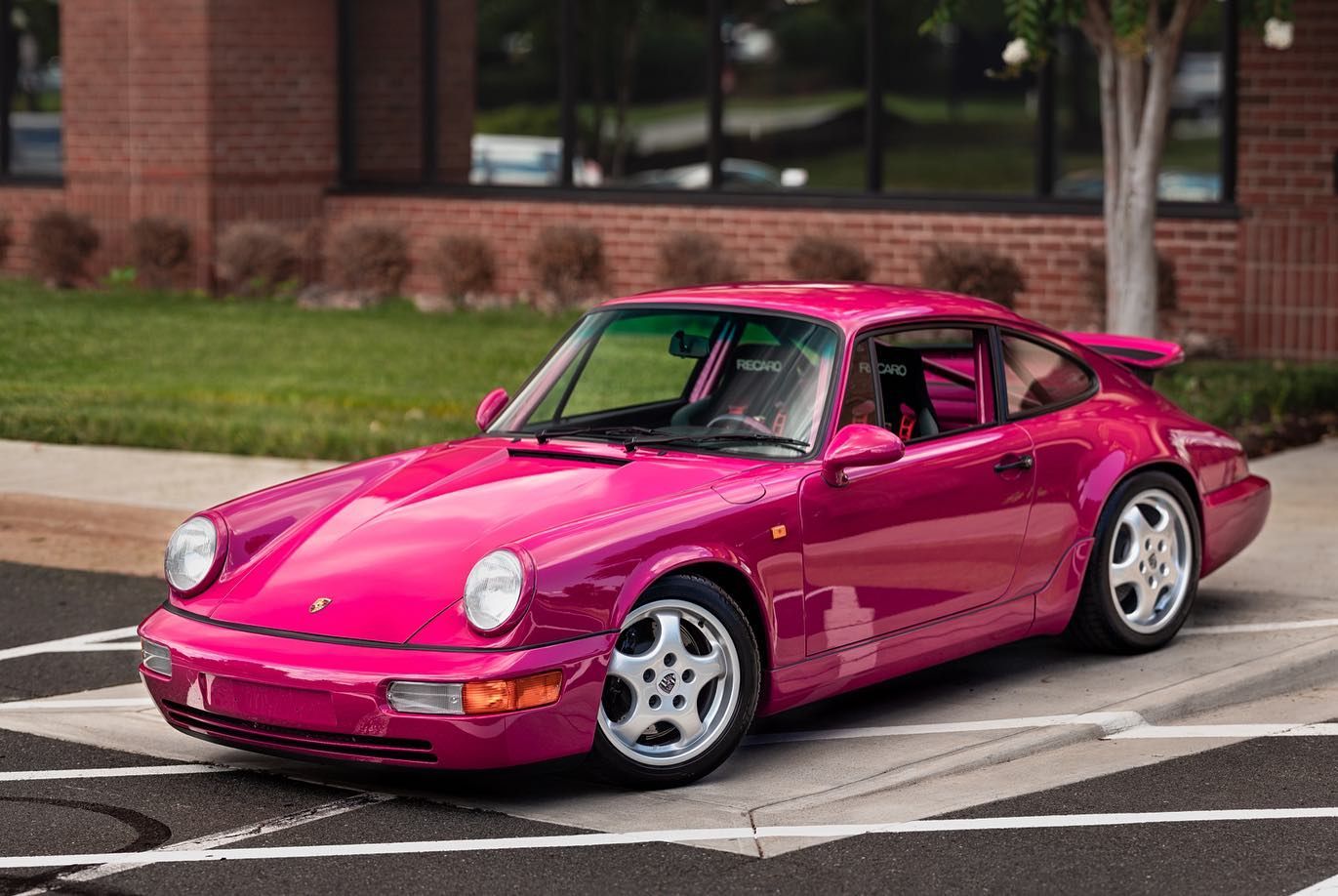
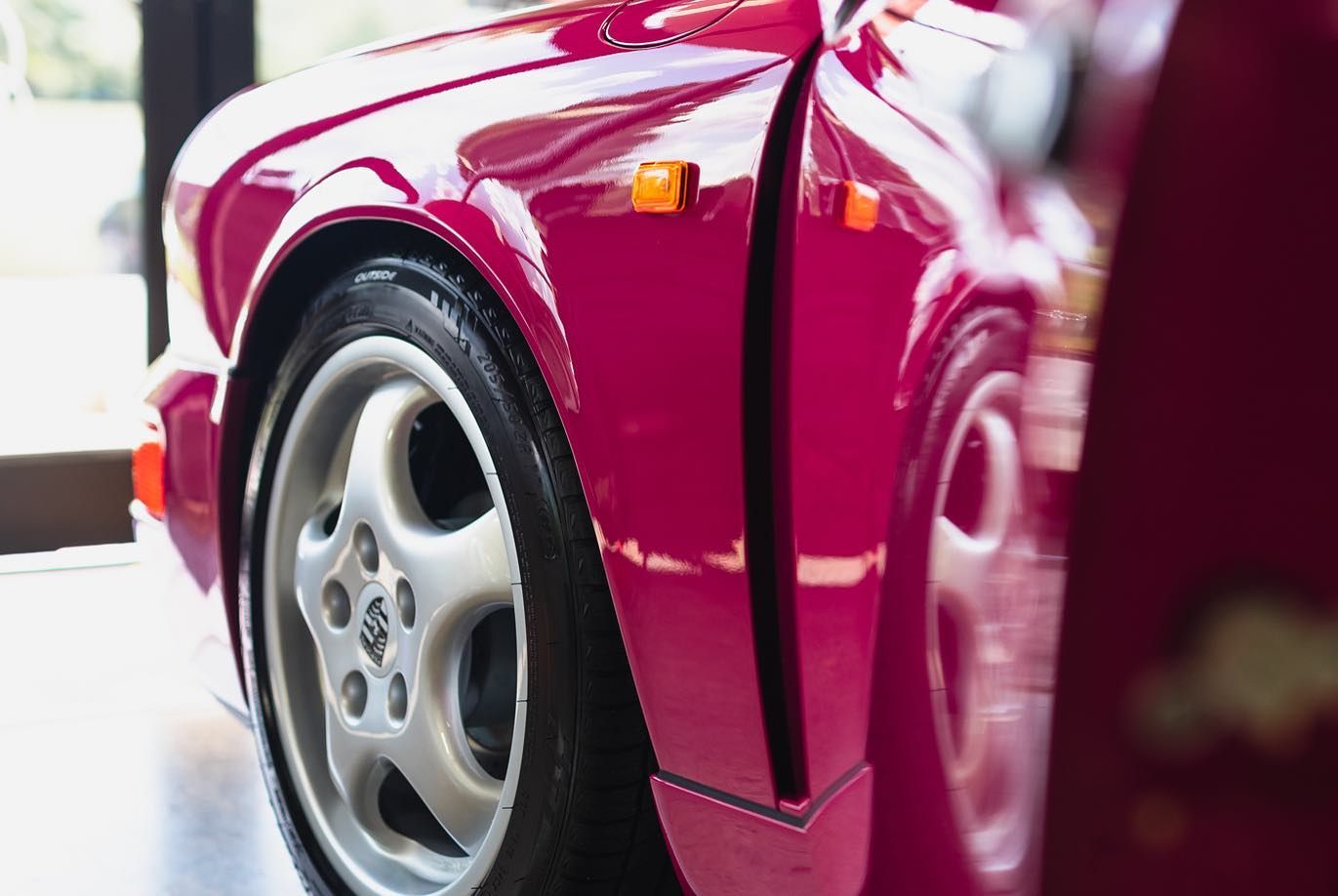
The Importance of Proper Surface Preparation
Surface preparation is the foundation of every successful ceramic coating installation. Even the highest-quality coating cannot perform properly if it is applied to a contaminated surface.
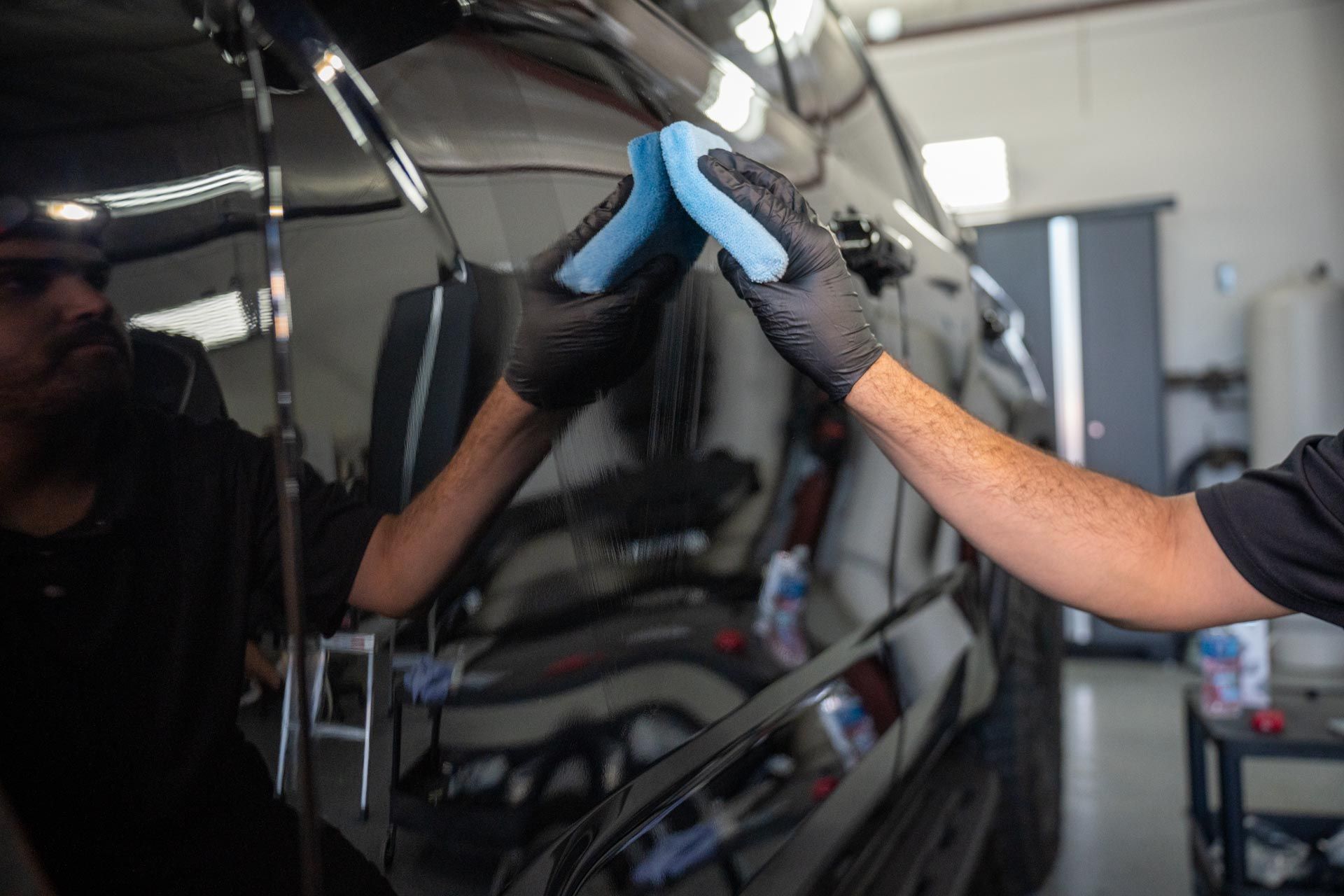
Professional ceramic coating installation typically includes:
Thorough Vehicle Wash
A pH-neutral wash removes loose dirt and debris without damaging the paint surface.
Clay Bar Decontamination
Embedded contaminants such as industrial fallout, brake dust, tree sap residue, and road grime are removed through a clay bar treatment.
Paint Correction
Paint correction eliminates swirl marks, light scratches, oxidation, and other defects. This creates a clean, uniform surface that allows the coating to bond properly.
Surface Wipe Down
A final panel wipe removes polishing oils and residue that could interfere with adhesion.
At GlasWerks DMV, every ceramic coating installation begins with a detailed preparation process because long-term results depend on the quality of the foundation.
Environmental Factors That Affect Ceramic Coating Performance
Vehicle owners throughout Sterling, Ashburn, Reston, Herndon, and the surrounding Northern Virginia area face environmental conditions that can impact coating longevity.
UV Exposure
Constant exposure to sunlight can gradually degrade the protective layer of a ceramic coating over time. Vehicles parked outdoors daily often experience faster wear than those stored in garages.
Road Salt and Winter Conditions
During winter months, road salt can accumulate on your vehicle's surface. If not removed promptly, it may contribute to staining and accelerated deterioration.
Acidic Contaminants
Bird droppings, bug splatter, tree sap, and acid rain can all damage the coating when left untreated for extended periods.
Heavy Traffic Pollution
Commuters traveling through the Dulles Corridor, Route 7, I-66, and the Beltway encounter airborne contaminants that regularly settle on vehicle surfaces.
A professionally installed ceramic coating helps minimize these risks, but routine maintenance remains essential.
Common Installation Mistakes That Lead to Failure
Even with proper preparation, installation errors can shorten the lifespan of a ceramic coating.
Applying the Coating in Poor Conditions
Temperature and humidity play a significant role in the curing process. Applying coatings in direct sunlight or extreme conditions can affect bonding and performance.
Uneven Product Application
Applying too much or too little coating can create inconsistent coverage, leading to weak spots and reduced protection.
Improper Curing Time
Ceramic coatings require adequate curing time before exposure to water, contaminants, or washing. Interrupting this process can compromise durability.
This is one reason professional ceramic coating installation consistently delivers better results than most DIY applications.
Signs Your Ceramic Coating May Be Failing
Many vehicle owners do not recognize the early warning signs of coating failure.
Common indicators include:
- Water no longer beads effectively
- Reduced surface slickness
- Loss of gloss and shine
- Increased staining or water spotting
- Uneven hydrophobic performance across panels
If you notice any of these issues, a professional inspection can determine whether maintenance, reapplication, or correction is needed.
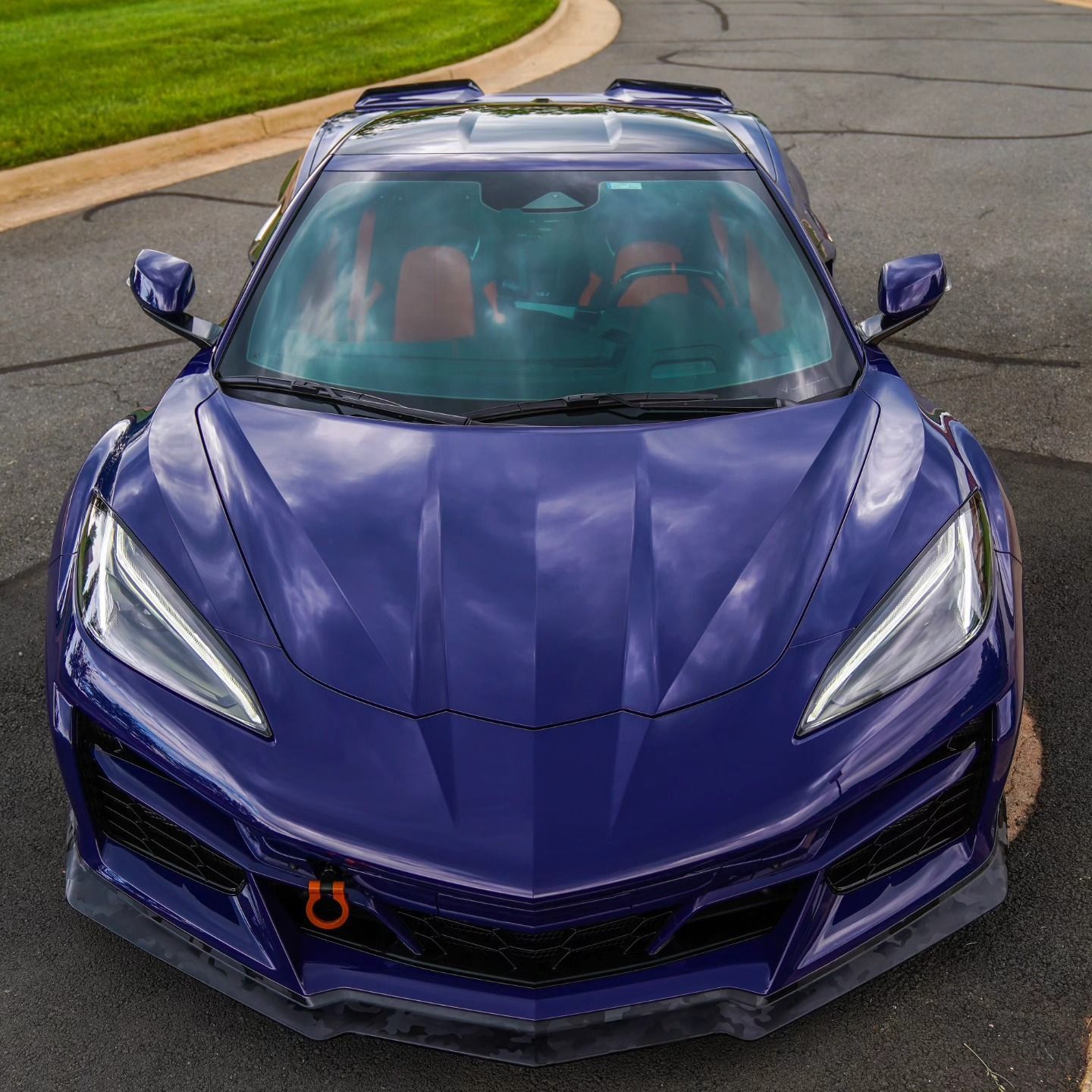
How to Maintain Your Ceramic Coating
Proper maintenance plays a major role in maximizing the lifespan of your ceramic coating.
Follow these best practices:
Use pH-Neutral Car Wash Products
Harsh chemicals can gradually weaken the coating's protective layer.
Remove Contaminants Quickly
Bird droppings, bug residue, and tree sap should be removed as soon as possible to prevent damage.
Avoid Automatic Brush Washes
Brush-style car washes can create scratches and compromise the coating's surface.
Schedule Routine Maintenance
Professional inspections and maintenance services help identify potential issues before they become major problems.
For drivers in Sterling and Northern Virginia, regular maintenance is one of the simplest ways to protect your investment and maintain long-term performance.
Professional Installation vs DIY Ceramic Coating
DIY ceramic coating kits have become increasingly popular, but they often produce inconsistent results.
Professional installation offers several advantages:
- Comprehensive surface preparation
- Controlled installation environment
- Professional paint correction
- Premium coating products
- Experienced application techniques
- Ongoing maintenance recommendations
Many coating failures are not caused by the product itself but by shortcuts taken during preparation and installation.
Choosing the Right Ceramic Coating
Not all ceramic coatings offer the same level of protection.
When evaluating ceramic coating options, consider:
- Brand reputation
- Durability expectations
- UV resistance
- Chemical resistance
- Warranty coverage
- Professional installation requirements
At GlasWerks DMV, premium GYEON ceramic coating products are selected because they provide long-lasting protection, excellent gloss retention, and proven performance in Northern Virginia driving conditions.
Frequently Asked Questions
How long should a ceramic coating last?
A professionally installed ceramic coating can last several years when properly maintained. Actual lifespan depends on driving habits, environmental exposure, and maintenance practices.
Can a ceramic coating fail within six months?
Yes. Poor preparation, improper installation, low-quality products, or neglect can cause coatings to fail much sooner than expected.
Does ceramic coating prevent scratches?
Ceramic coatings provide a sacrificial layer of protection against minor surface contamination and light marring, but they do not make paint scratch-proof.
Is ceramic coating worth it in Virginia?
Yes. Ceramic coatings help protect against UV exposure, road salt, environmental contaminants, and everyday wear common throughout Virginia.
How often should ceramic coatings be inspected?
Annual inspections are recommended to ensure the coating continues performing properly and to address any developing issues.
Protect Your Investment with GlasWerks DMV
A ceramic coating is only as effective as the preparation, installation, and maintenance behind it. Choosing an experienced installer can make the difference between years of protection and premature failure.
At GlasWerks DMV, we provide professional ceramic coating installation for vehicle owners throughout Sterling, Ashburn, Reston, Herndon, Fairfax, McLean, Arlington, Bethesda, and the surrounding DMV area. Our team follows a meticulous preparation process and uses premium GYEON ceramic coating products to deliver lasting results.
If you are considering ceramic coating installation or want to evaluate the condition of your current coating,
contact GlasWerks DMV today to schedule a consultation and learn how to protect your vehicle's finish for the long term.