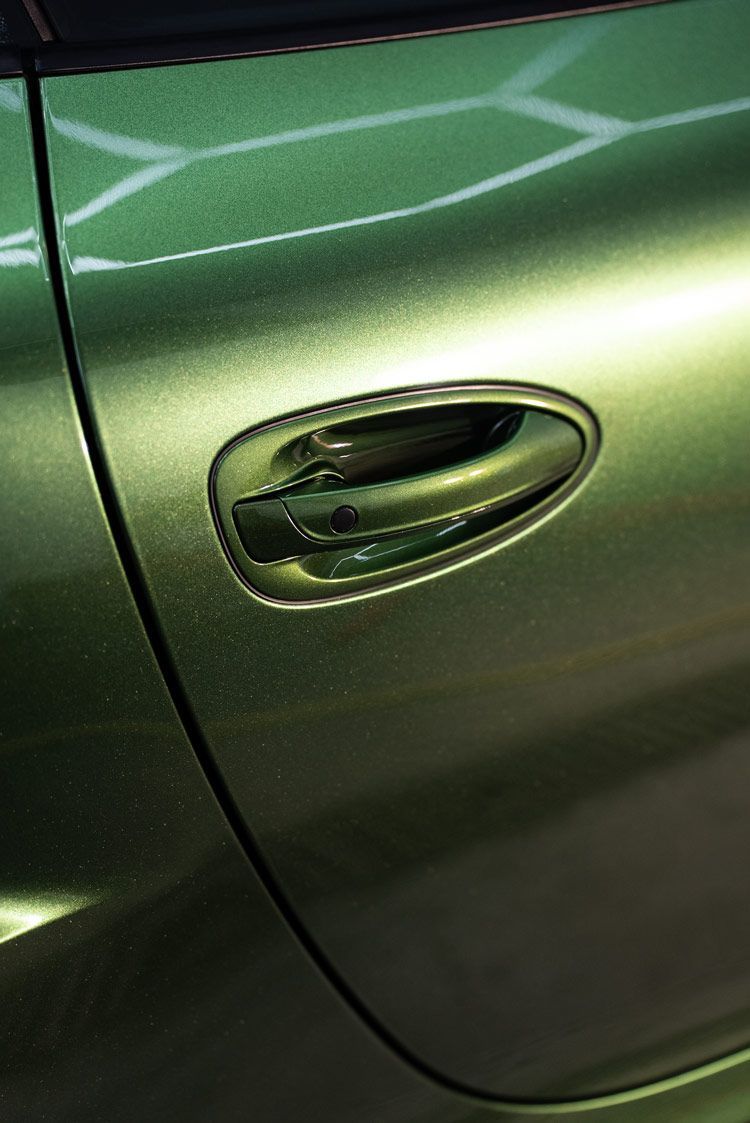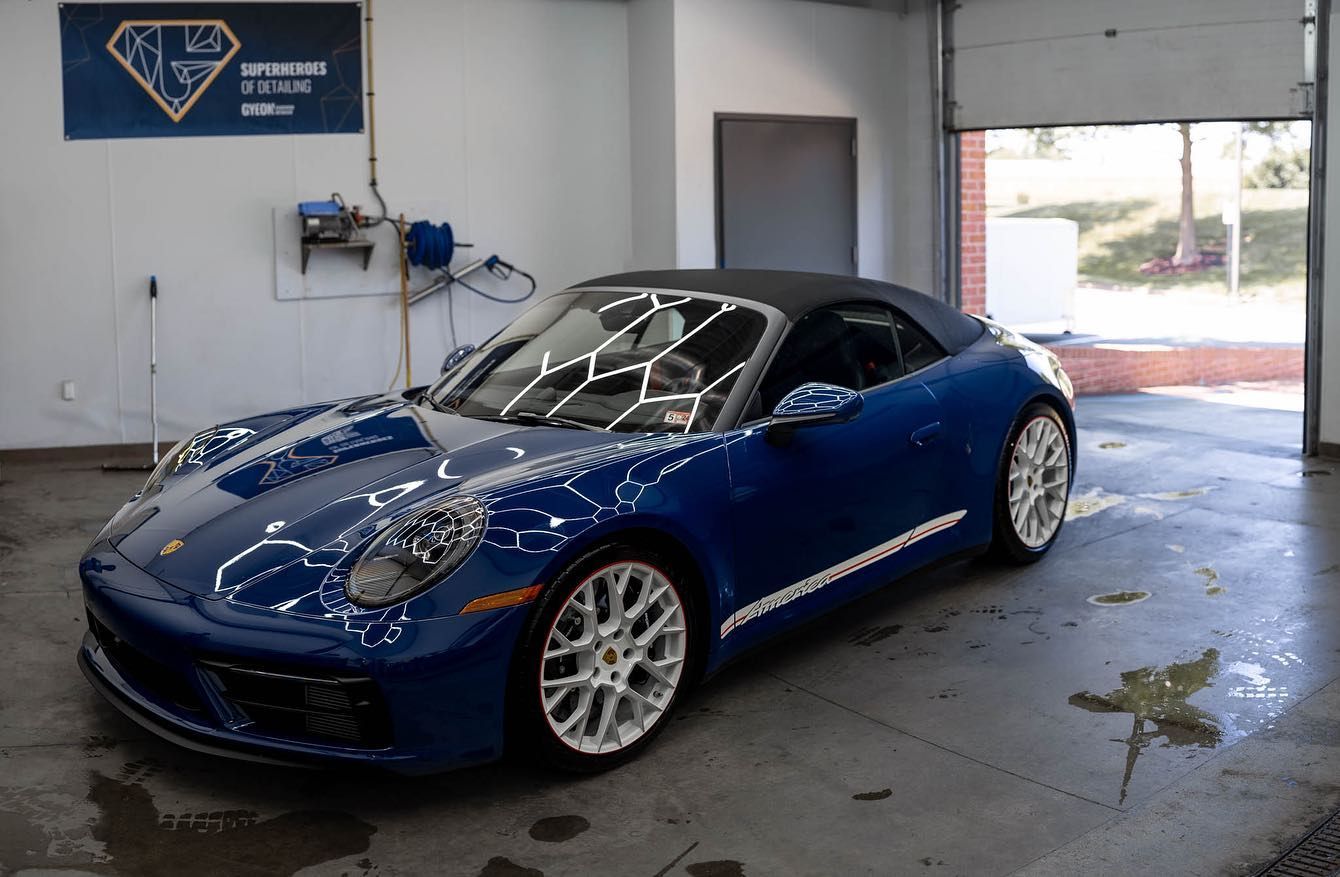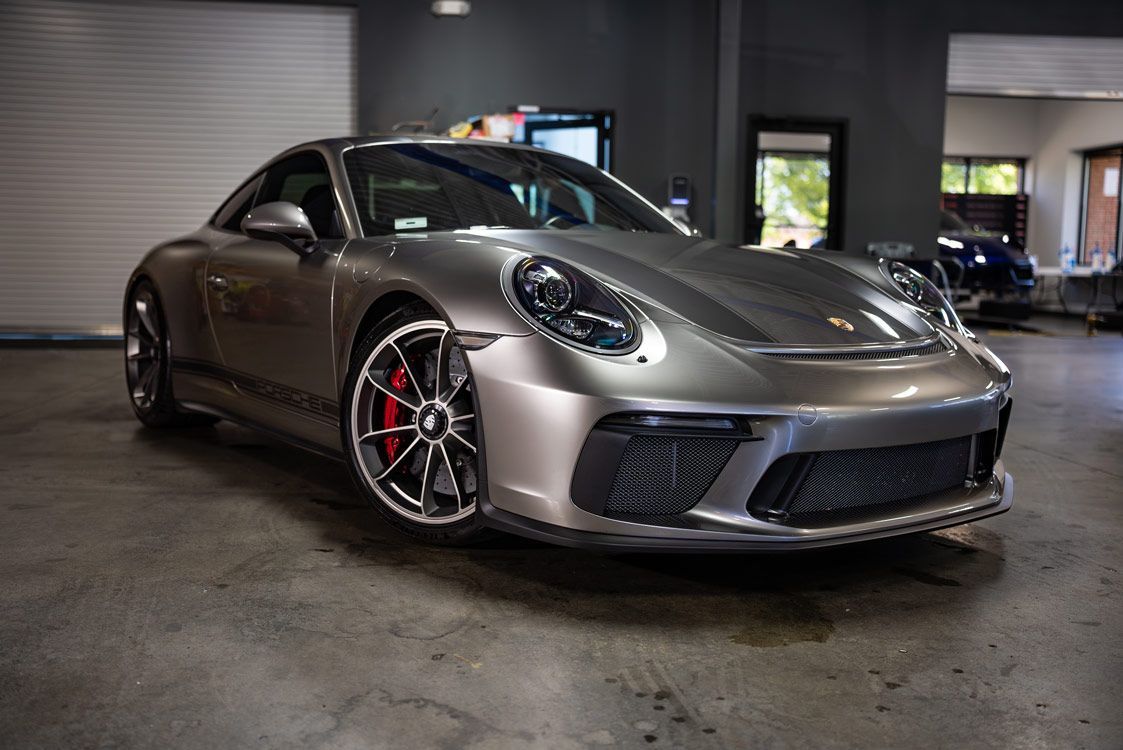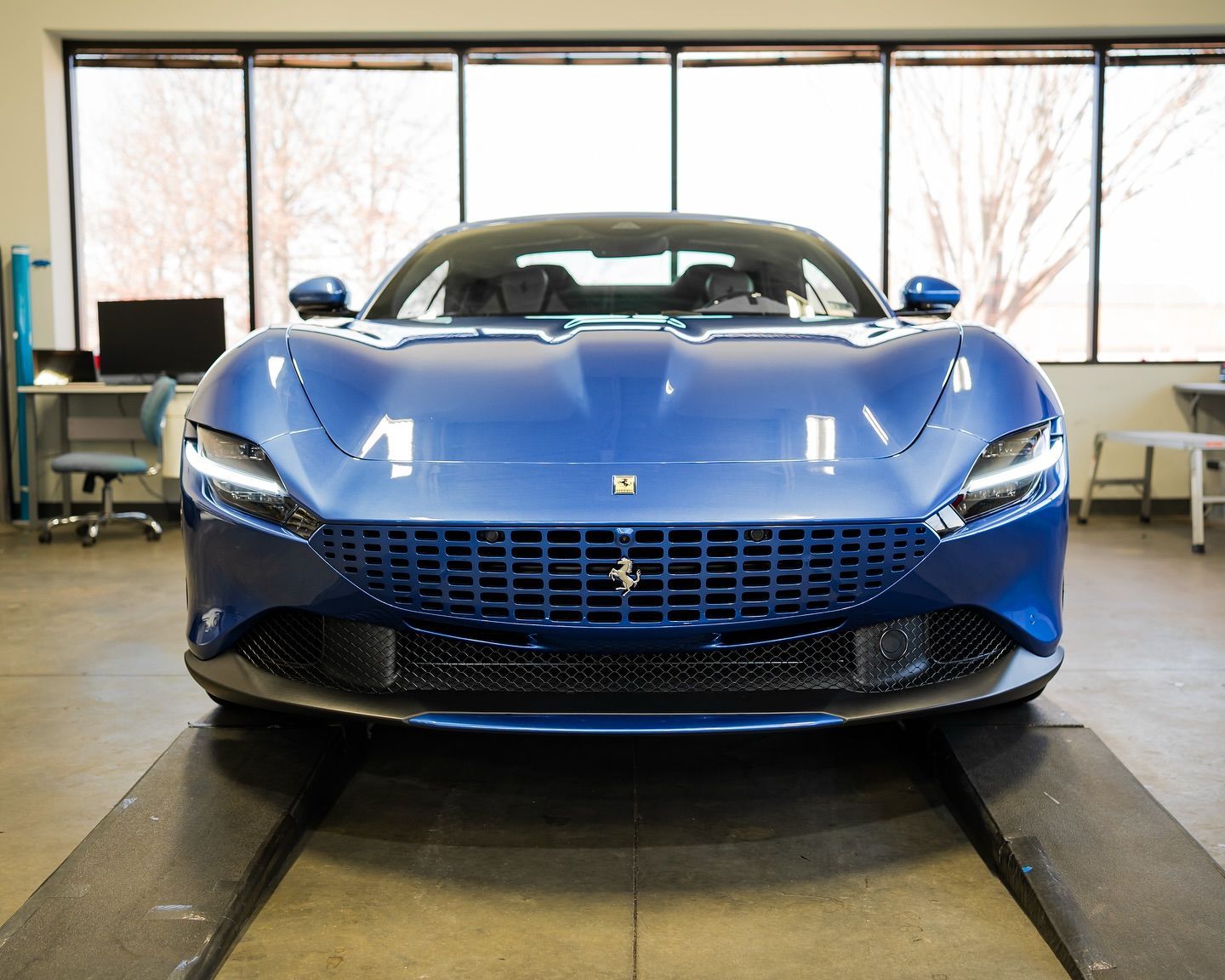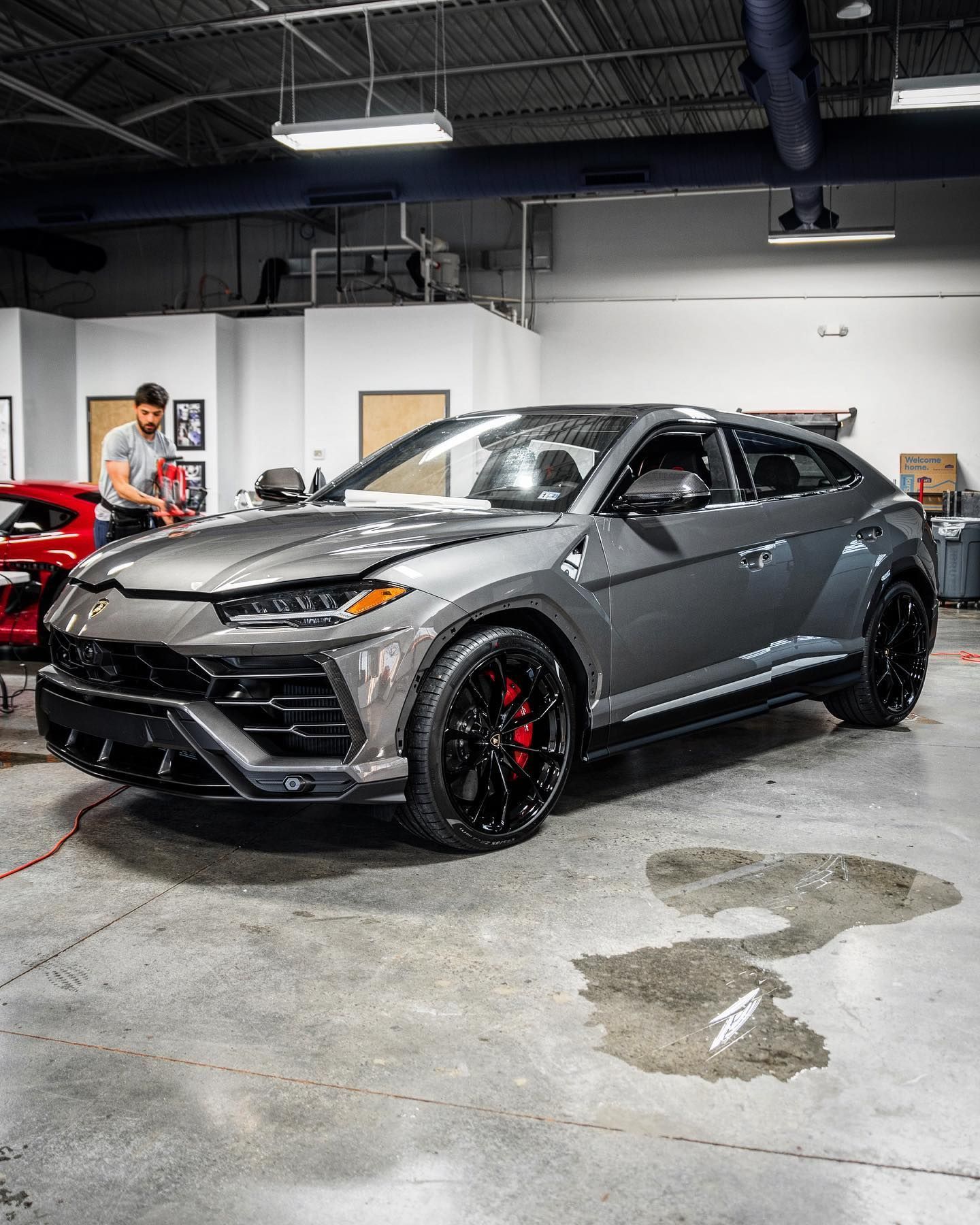

Your vehicle's paint plays a major role in its appearance, value, and long-term condition. While a new car leaves the dealership with a flawless finish, that protection begins to deteriorate the moment it is exposed to the elements. Without Paint Protection Film (PPF), everyday driving can leave your vehicle vulnerable to fading, rock chips, scratches, oxidation, and environmental damage.
After just three years, many vehicle owners begin noticing visible wear that affects both appearance and resale value. Understanding what happens to unprotected paint can help you decide whether professional Paint Protection Film installation is worth the investment.
Why Paint Protection Matters
Your vehicle faces constant exposure to conditions that slowly damage the paint surface. UV rays, road debris, bird droppings, tree sap, road salt, and airborne contaminants all contribute to long-term deterioration.
Common threats to your paint include:
- UV exposure and oxidation
- Rock chips and road debris
- Bird droppings and tree sap
- Acid rain and environmental fallout
- Road salt and winter weather
- Swirl marks from improper washing
Over time, these contaminants break down the clear coat, making the paint more vulnerable to permanent damage. Once the clear coat begins to fail, restoring the finish becomes significantly more expensive than protecting it in the first place.
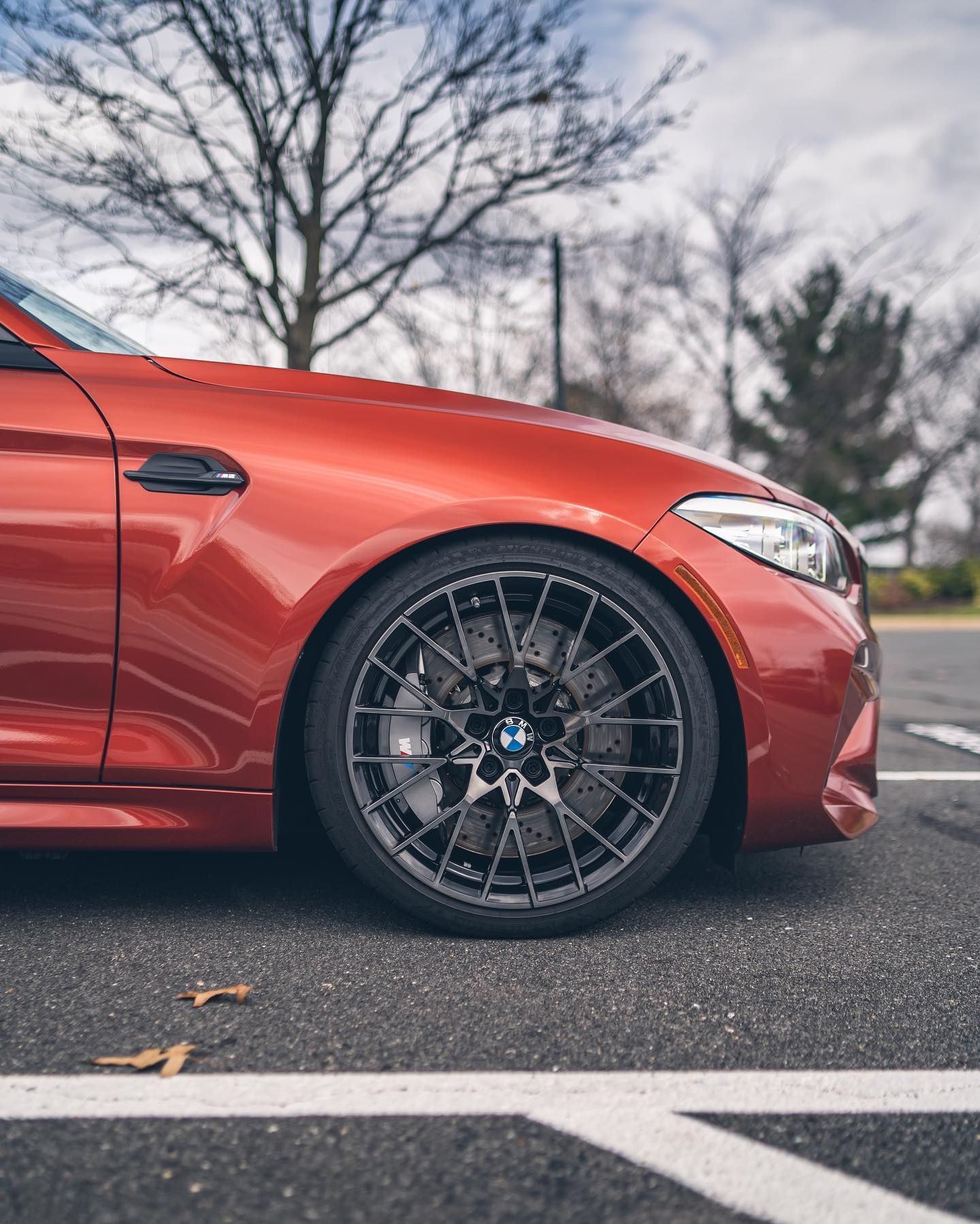
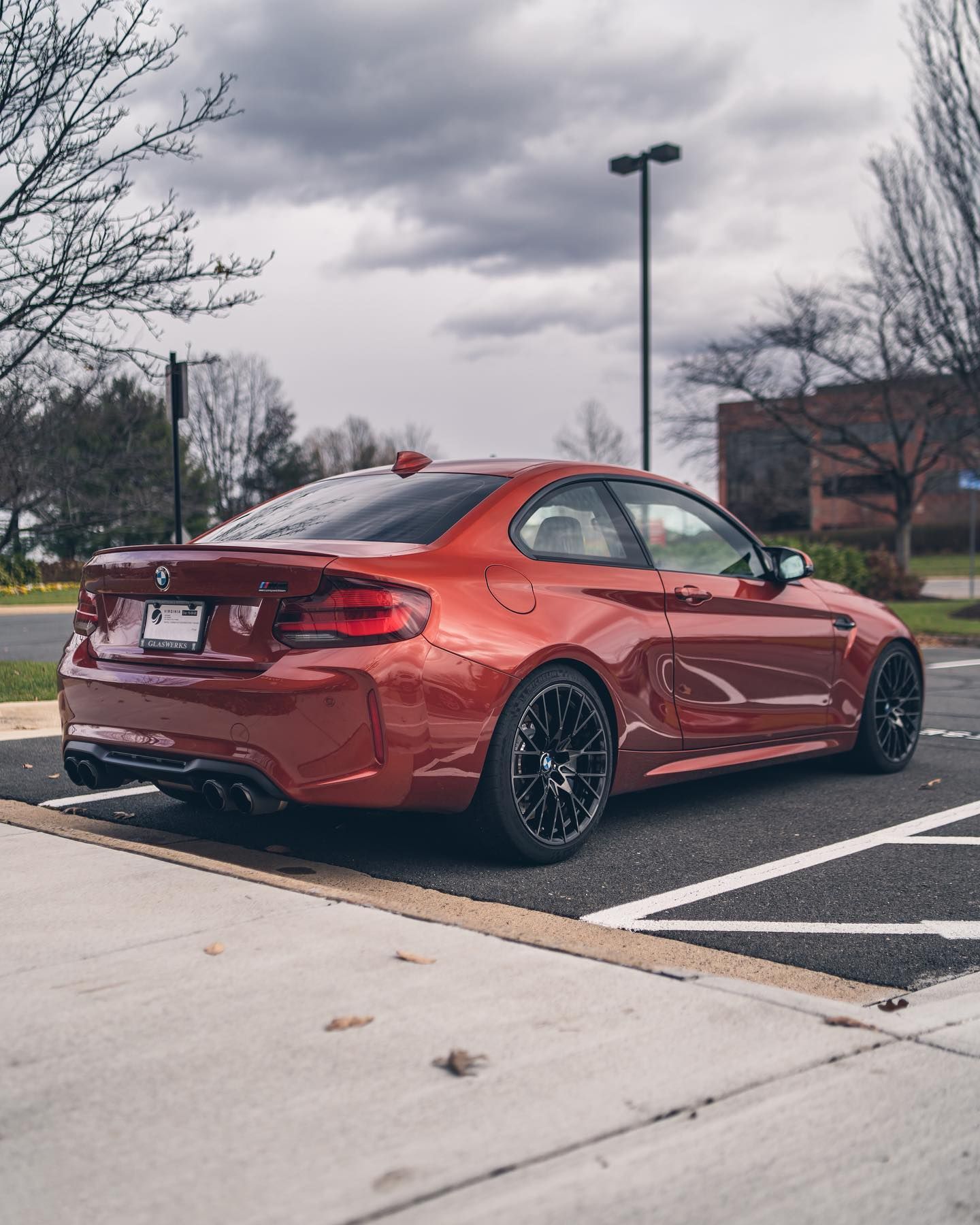
What Happens to Unprotected Paint Over Three Years?
Year One: Early Surface Damage
During the first year, damage is often subtle. Small scratches, swirl marks, and minor chips begin to appear. UV rays start breaking down the paint's protective clear coat, although fading may not yet be obvious.
Many drivers overlook these early signs because the vehicle still appears relatively new.
Year Two: Visible Wear Begins
By the second year, environmental exposure starts taking a noticeable toll. Paint may lose some of its original gloss, and rock chips become more common on high-impact areas such as:
- Front bumpers
- Hoods
- Side mirrors
- Fenders
Vehicles driven regularly on highways around Sterling, Ashburn, Reston, and throughout Northern Virginia often experience accelerated chip damage due to road debris.
Year Three: Significant Deterioration
After three years without protection, paint damage becomes much more apparent. Common issues include:
- Noticeable fading
- Oxidation and dullness
- Increased rock chips
- Surface staining
- Clear coat deterioration
- Reduced resale value
At this stage, paint correction may improve the appearance, but some damage may be permanent.
How Northern Virginia Weather Affects Your Paint
Drivers in Sterling and throughout the DMV region face unique environmental challenges that can accelerate paint deterioration.
Intense Summer UV Exposure
Northern Virginia summers bring prolonged sun exposure and high temperatures. UV radiation gradually breaks down paint pigments and clear coat protection, causing fading and oxidation.
Winter Road Salt
Road salt used during winter storms can cling to the vehicle's surface and promote corrosion. If left untreated, salt exposure can contribute to rust formation and long-term paint damage.
Air Pollution and Acid Rain
Urban and suburban areas throughout the DMV region can expose vehicles to pollutants that settle on the paint surface. These contaminants may create etching and staining over time.
Because these threats occur year-round, paint protection is not just a seasonal investment. It is a long-term strategy for preserving your vehicle's finish.
Rock Chips and Road Debris: The Damage You Cannot Prevent Alone
Every highway drive exposes your vehicle to airborne debris. Small stones and gravel can strike your paint at high speeds, causing chips that penetrate the clear coat.
Once a chip exposes the paint beneath, several problems can occur:
- Moisture can reach vulnerable areas
- Oxidation develops faster
- Corrosion risk increases
- Damage spreads over time
High-impact areas such as the front bumper, hood, and mirrors are especially vulnerable. Without PPF, these chips accumulate and become increasingly difficult and expensive to repair.
The Financial Cost of Paint Damage
Many vehicle owners view PPF as an optional upgrade. In reality, it can help reduce future repair costs while protecting resale value.
Paint correction services can cost hundreds or even thousands of dollars depending on the severity of the damage. Repainting damaged panels often costs significantly more and may not perfectly match the factory finish.
Vehicles with well-maintained paint generally attract stronger resale offers because buyers often associate exterior condition with overall vehicle care.
Protecting your original finish can help preserve both appearance and long-term value.
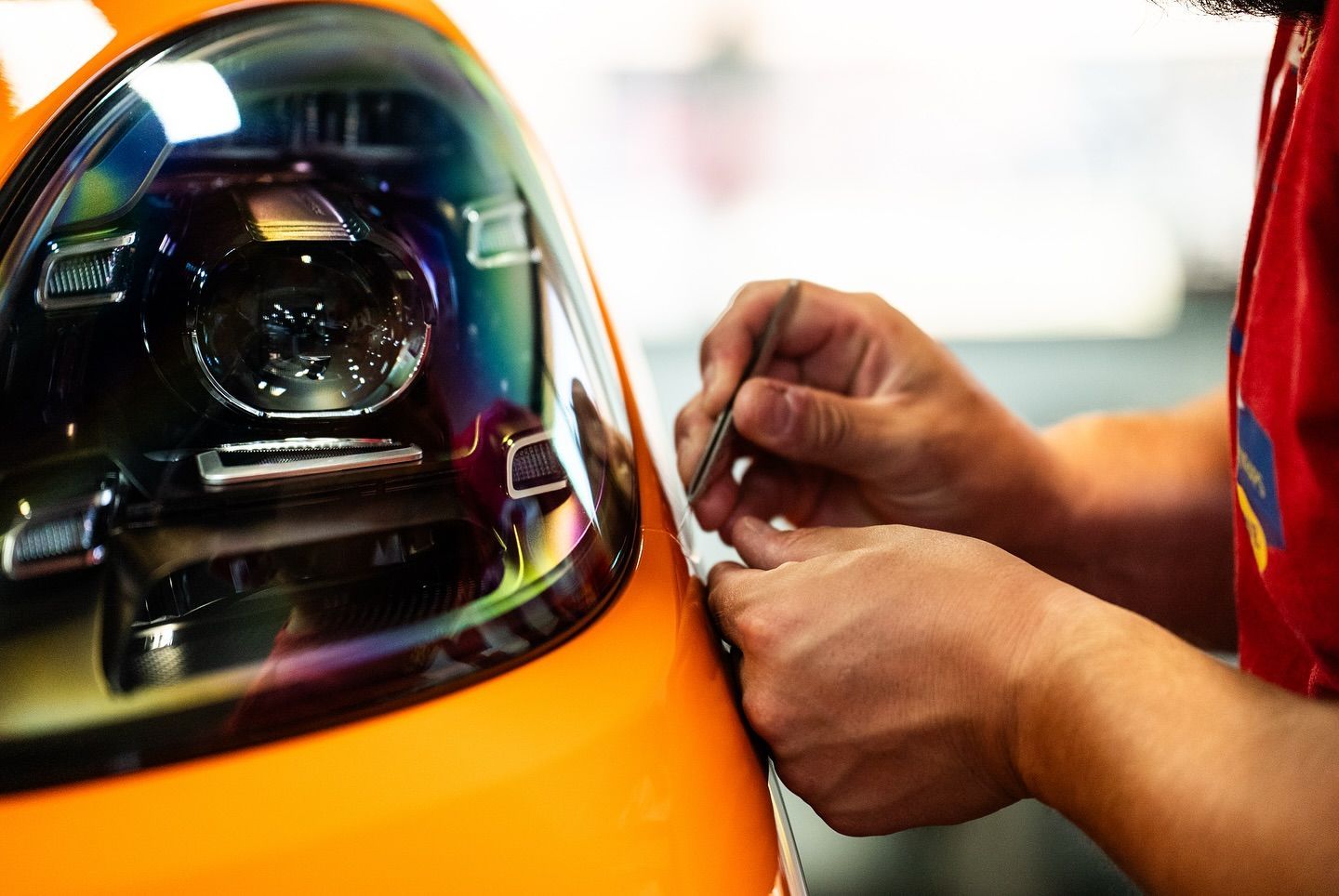
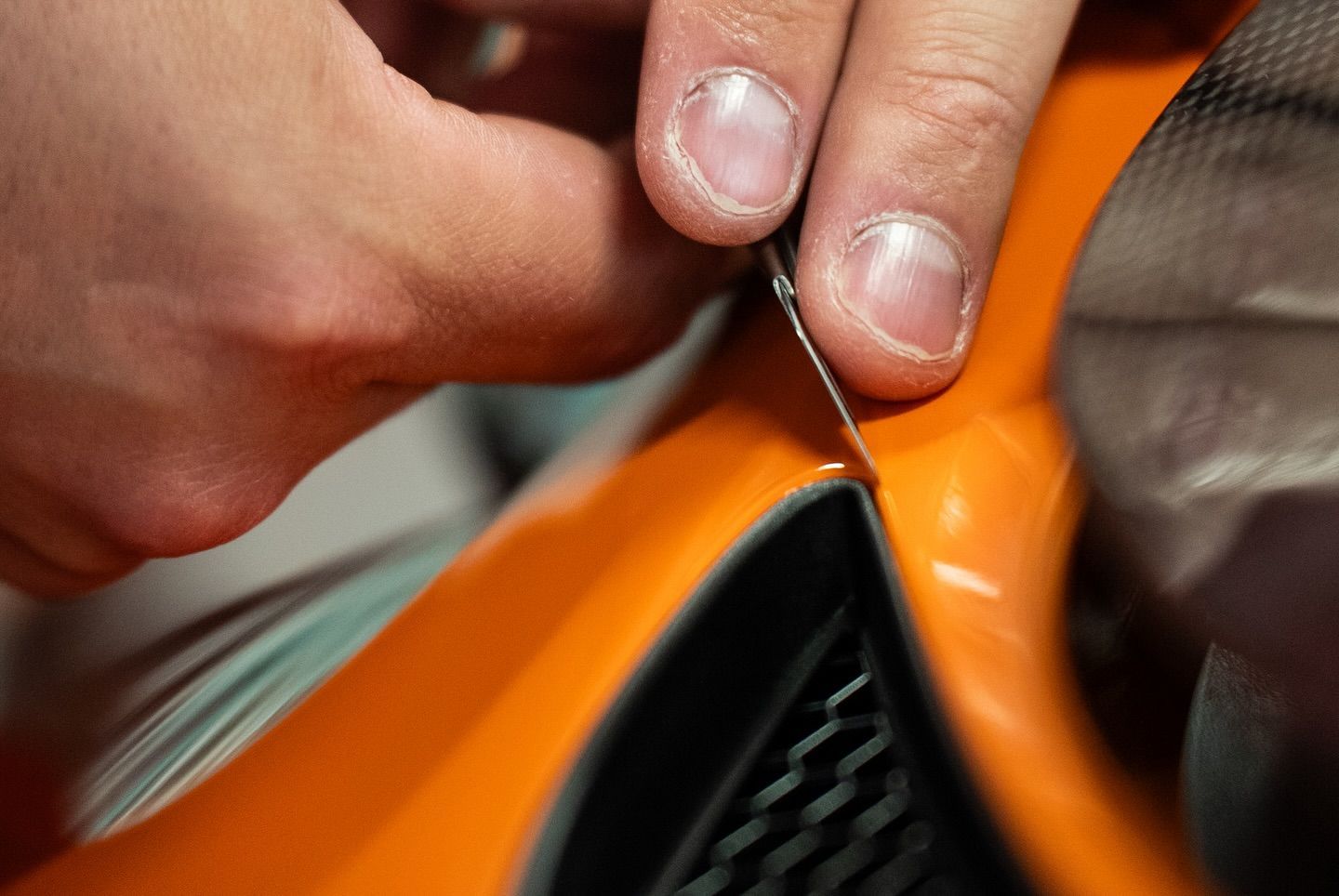
What Is Paint Protection Film?
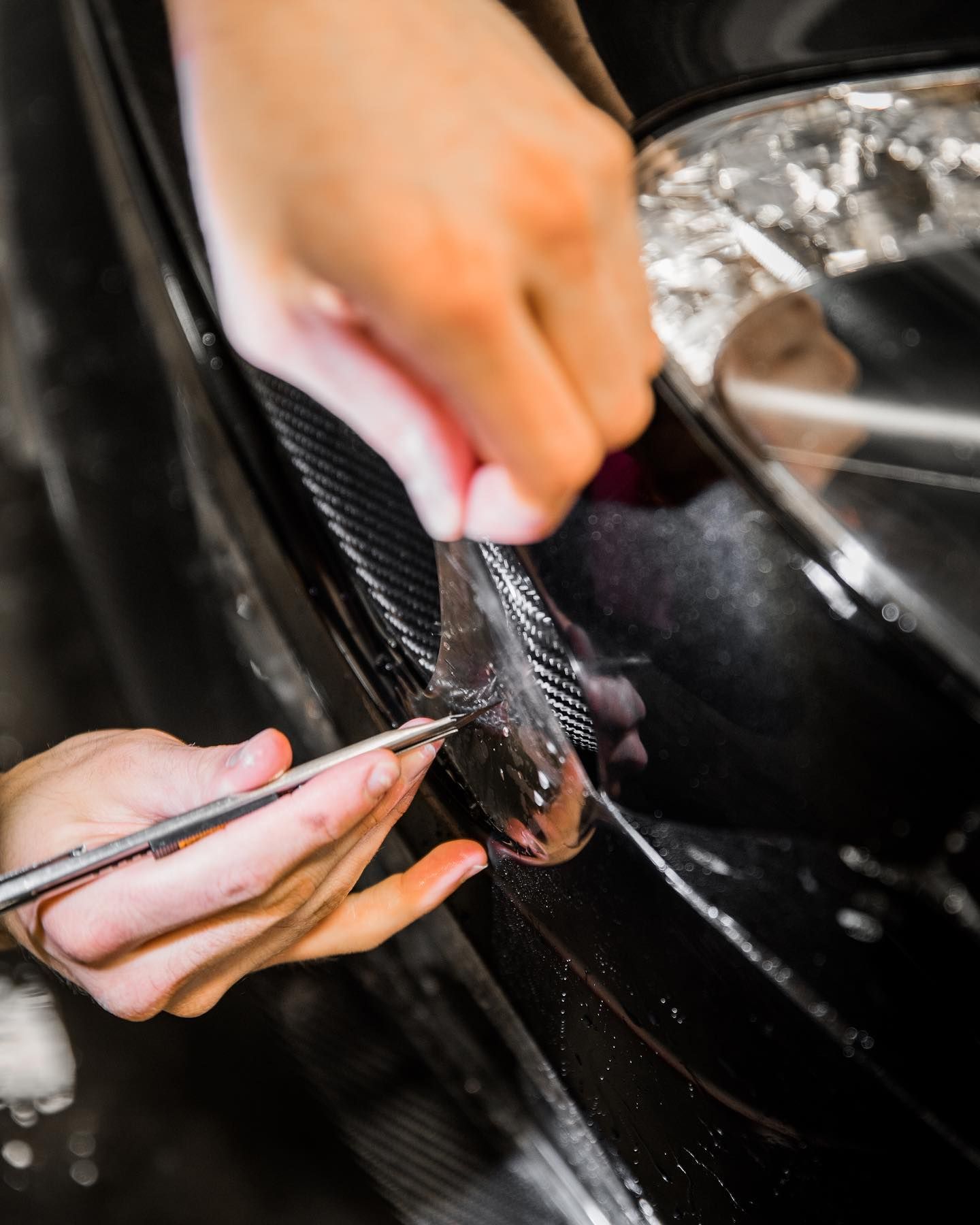
Paint Protection Film is a transparent urethane film professionally applied to painted surfaces. It acts as a physical barrier between your vehicle and common hazards such as rock chips, scratches, UV rays, and environmental contaminants.
Modern premium PPF offers several benefits:
- Self-healing technology for minor scratches
- UV resistance
- Stain resistance
- Hydrophobic properties
- Long-lasting durability
At Glaswerks DMV, we install premium Paint Protection Film solutions designed to help vehicle owners throughout Sterling and Northern Virginia preserve their investment.
PPF vs. Ceramic Coating vs. Wax
Many vehicle owners wonder whether ceramic coating or wax can replace PPF.
The answer is no.
Wax
Wax provides temporary shine and limited protection but typically lasts only a few months before requiring reapplication.
Ceramic Coating
Ceramic coatings create a durable protective layer that enhances gloss and water repellency. They offer excellent protection against contaminants and UV exposure but do not protect against rock chips and impact damage.
Paint Protection Film
PPF is the only solution that provides physical impact resistance while also protecting against UV exposure and environmental contaminants.
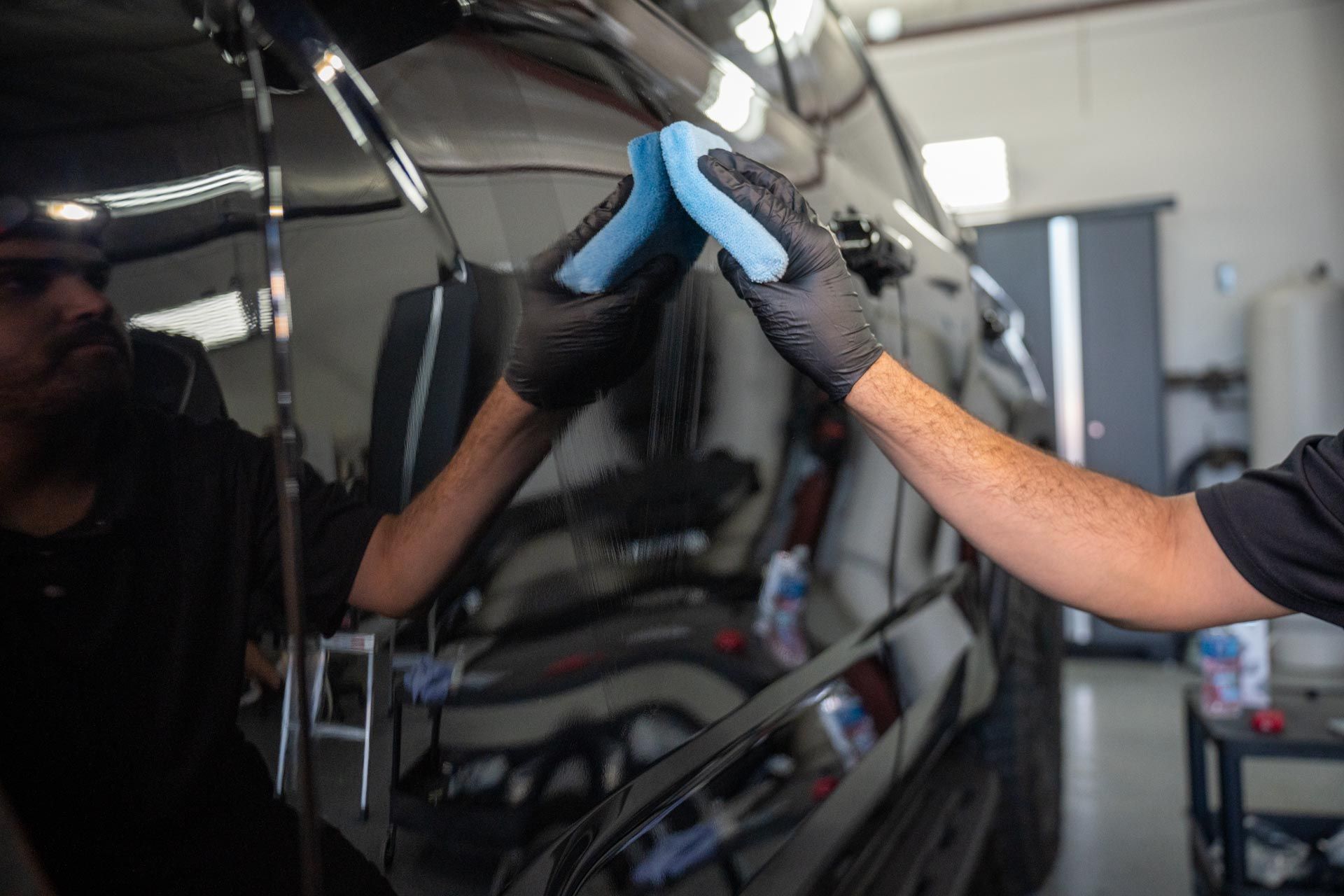
For maximum protection, many vehicle owners choose to combine PPF with ceramic coating. This creates a system that offers both impact protection and easier maintenance.
Is Paint Protection Film Worth It?
For most vehicle owners, the answer is yes.
Whether you drive a luxury vehicle, sports car, daily commuter, or truck, PPF helps preserve the finish, reduce future repair costs, and maintain resale value.
Vehicle owners throughout Sterling, Ashburn, Reston, Fairfax, and surrounding Northern Virginia communities often choose PPF because of the region's year-round exposure to sun, road debris, and winter road salt.
The sooner protection is installed, the more damage it can prevent.
Protect Your Vehicle Before Damage Occurs
Once fading, oxidation, and rock chips appear, restoring your vehicle's paint becomes more expensive and time-consuming. Paint Protection Film provides proactive protection that helps keep your vehicle looking newer for longer.
If you are considering Paint Protection Film installation in Sterling, VA, the
team at Glaswerks DMV can help you choose the right protection package for your vehicle. From partial front-end coverage to full-body protection and ceramic coating upgrades, we provide solutions designed to preserve your vehicle's appearance and value for years to come.