
If you’ve ever noticed your car’s paint fading or feeling rough after a summer in the sun, you're not alone. UV exposure and oxidation gradually strip away that deep, factory-fresh shine, leaving your vehicle looking dull and aged before its time. Ceramic coating offers a science-backed solution: a chemically bonded protective layer that defends your paint against the elements.
What is Ceramic Coating?
Ceramic coating is a liquid polymer that bonds chemically with your vehicle’s factory paint, creating a solid, semi-permanent protective shield. This ultra-thin layer, typically just one to two microns thick, is composed primarily of silicon dioxide (SiO2), a compound derived from quartz and sand. When applied correctly by a trained professional, the SiO2 molecules arrange themselves into a hard, crystalline lattice on the paint surface, effectively transforming your clear coat into a glossy, hydrophobic armor that repels water, dirt, and chemical contaminants.
This innovative technology uses nanotechnology to provide benefits far beyond aesthetics. The transparent molecular barrier causes rain and road grime to bead up and slide off rather than bond to your paint, protecting it from gradual degradation.
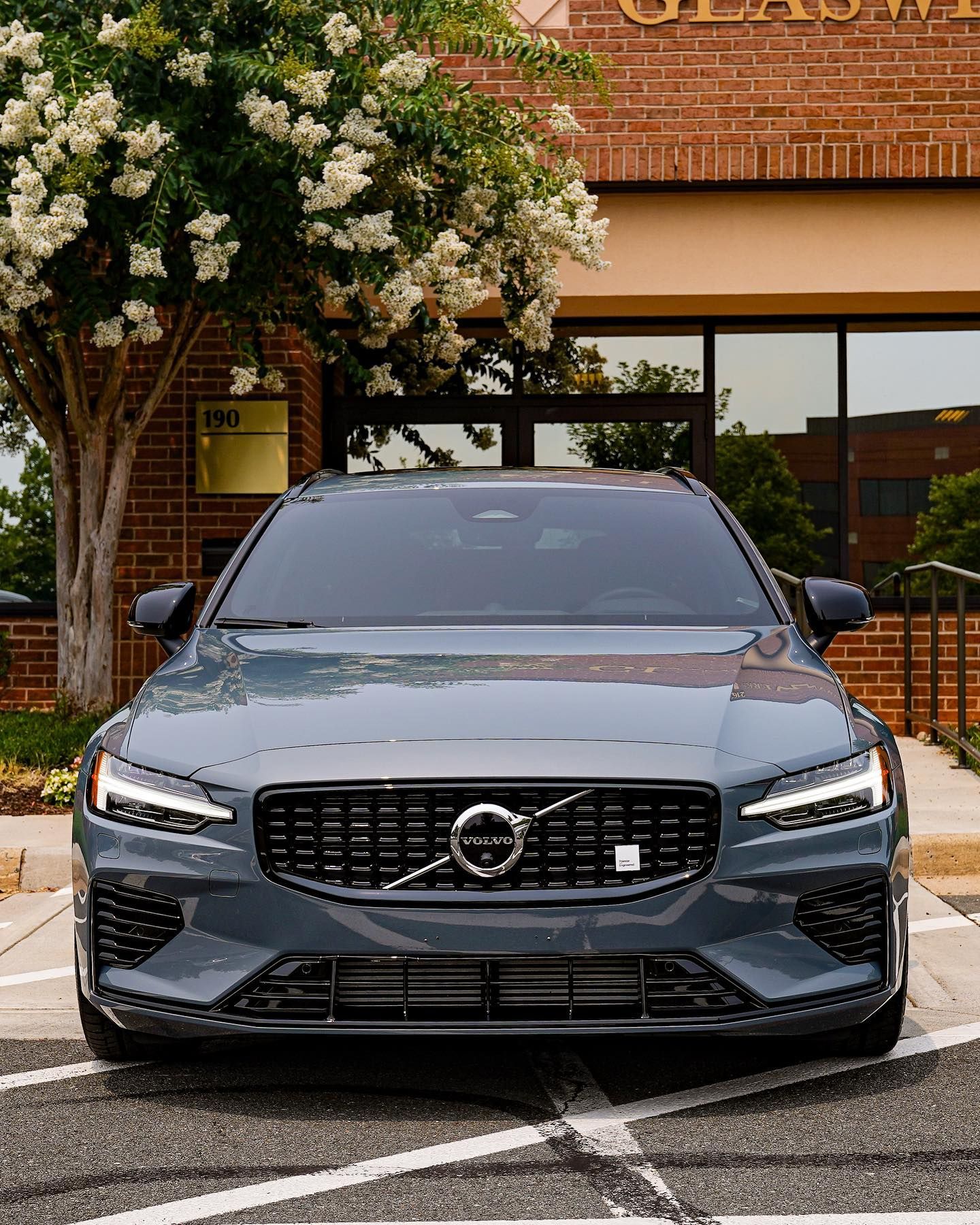
How Does Ceramic Coating Protect Against UV Rays and Oxidation?
While ceramic coatings don’t block UV rays entirely, they slow paint degradation by preventing oxygen and pollutants from reaching the surface. Oxidation, the chemical reaction responsible for paint fading, chalking, and a dull, washed-out appearance, requires both oxygen and UV radiation to proceed. By forming a dense molecular barrier, ceramic coatings minimize oxygen exposure at the paint surface. This dramatically slows the oxidation process, helping your paint retain its depth and vibrancy for much longer.
Ceramic coatings also extend the life of your vehicle’s factory clear coat by shielding it from harsh environmental contaminants, including dirt, pollutants, acid rain, and temperature swings that accelerate degradation. By preventing these elements from directly impacting the paint, ceramic coatings help preserve the integrity of the vehicle’s finish for years.
Why Choose Ceramic Coating?
The biggest advantage of ceramic coating is its longevity. Unlike traditional waxes that degrade after weeks or months, a professionally applied ceramic coating can last anywhere from two to five years or more, providing consistent paint protection without the need for regular reapplication.
Beyond durability, the coating creates a near-airtight barrier over the paint, which helps prevent oxidation by restricting oxygen from reaching the surface. This is especially important in places like Sterling, VA, where harsh weather conditions can take a toll on your car’s paint over time. With ceramic coating, your vehicle retains its shine and protection for years without worrying about fading, chalking, or oxidation.
The Appearance Transformation
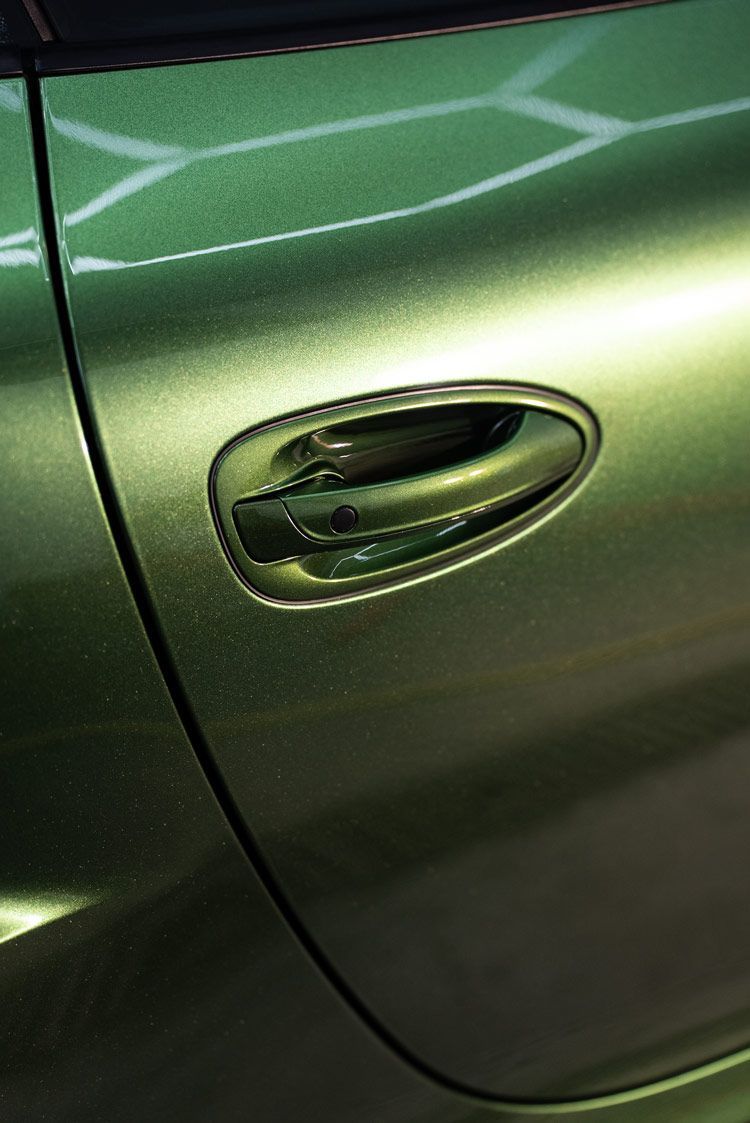
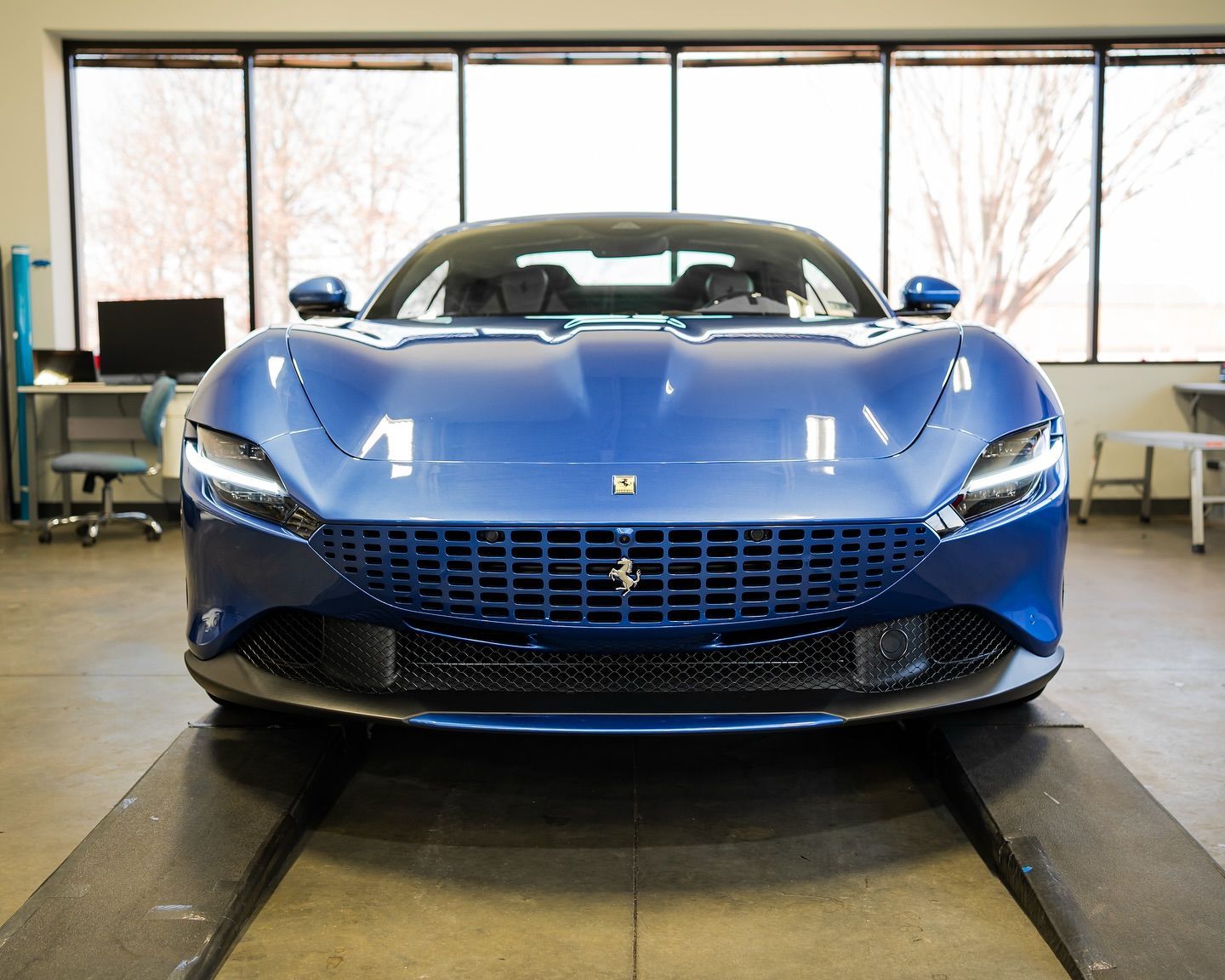
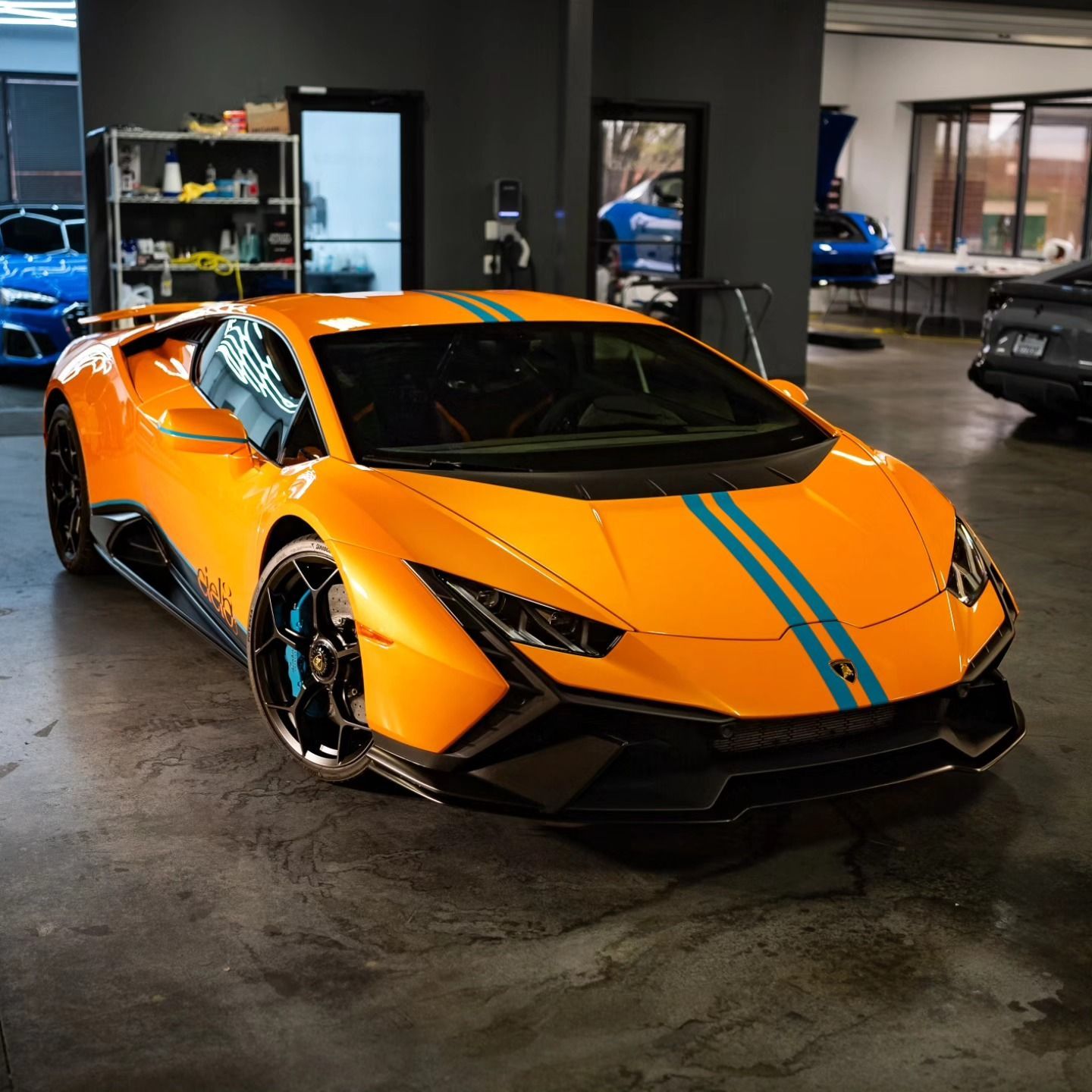
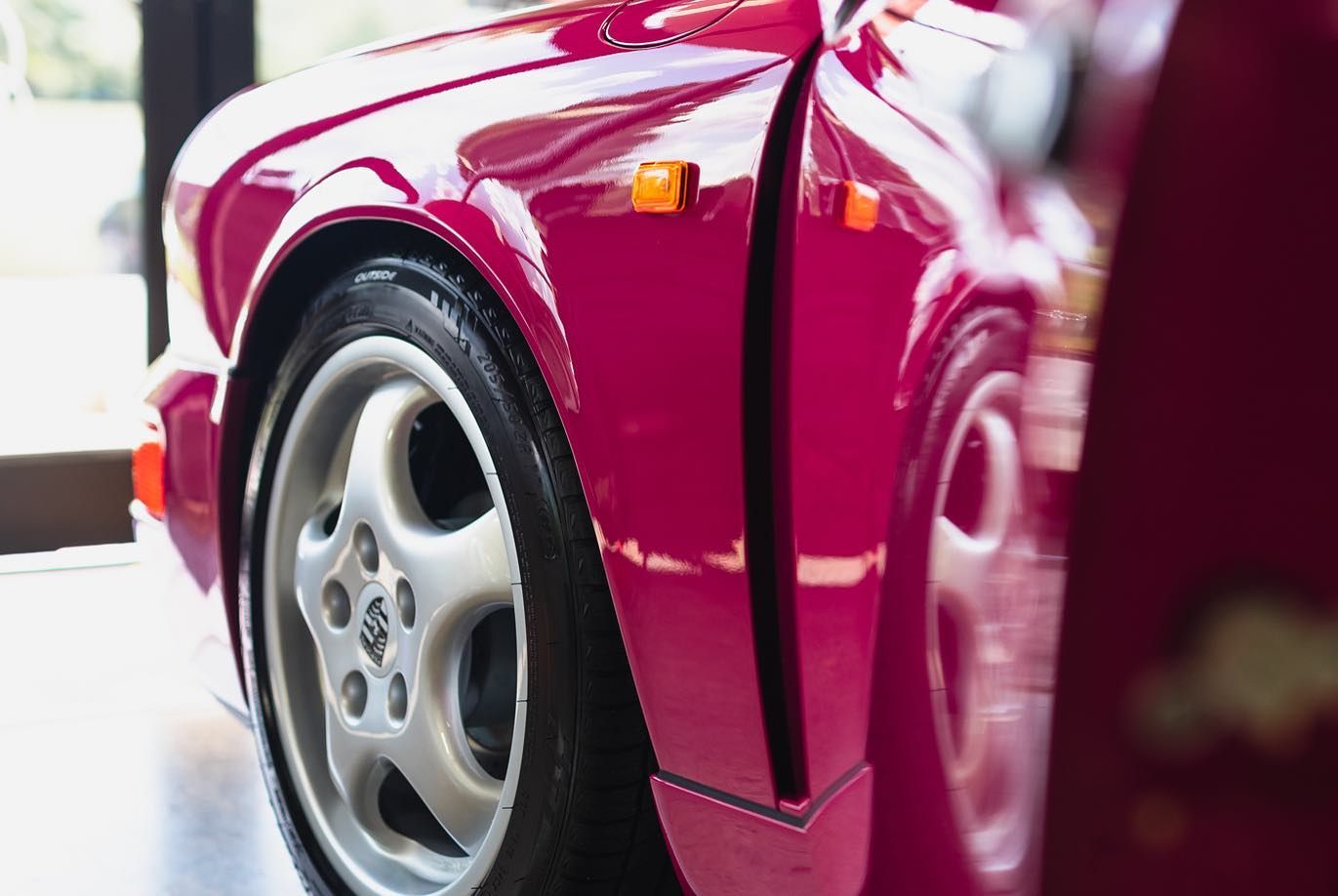
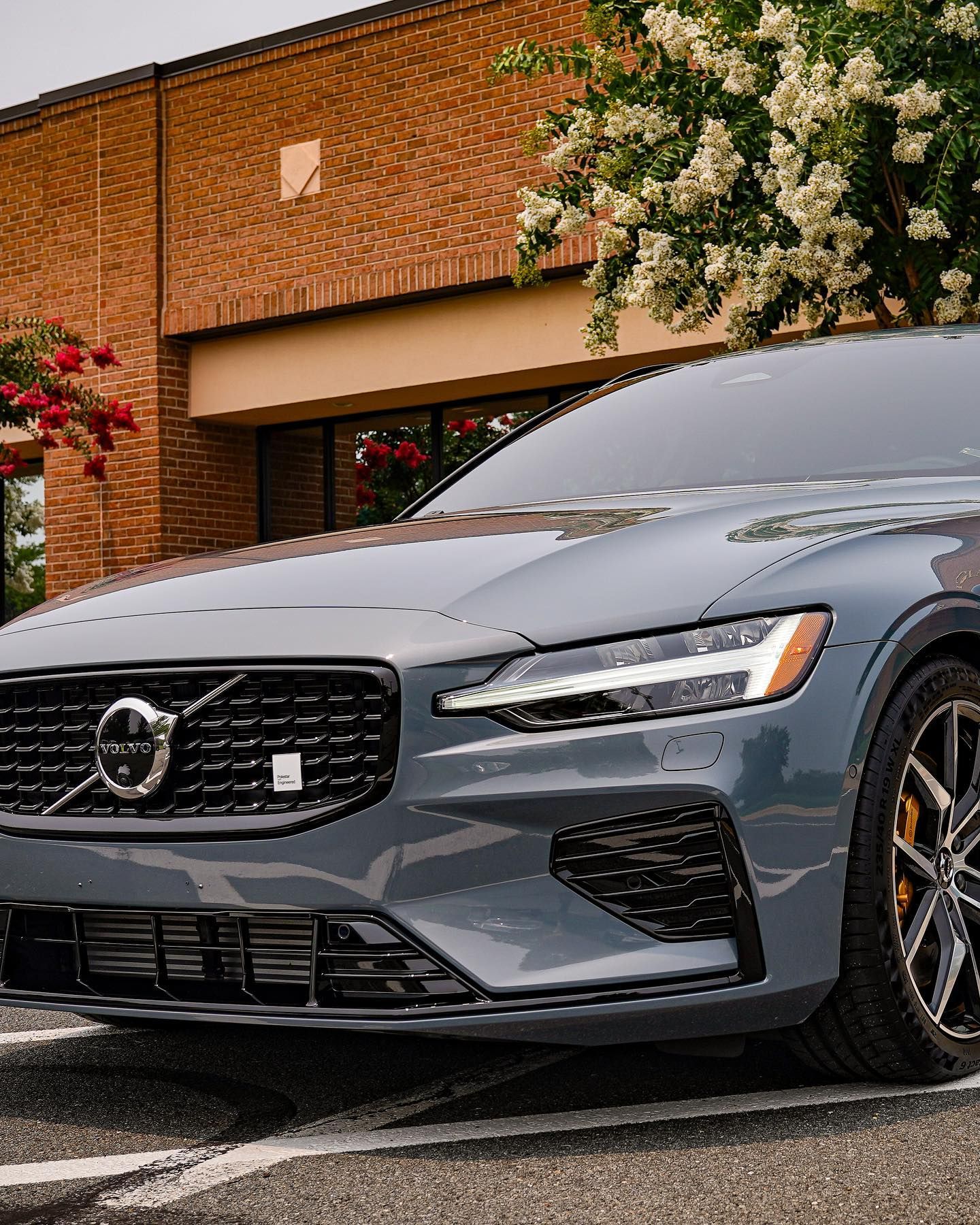
One of the most noticeable effects of ceramic coating is the transformation of your vehicle’s appearance. Instead of sitting on top of the clear coat like wax, the coating bonds with the paint, enhancing the depth, clarity, and richness of the color. This smooth, glossy surface reflects light more uniformly, making the paint look deeper and more vibrant.
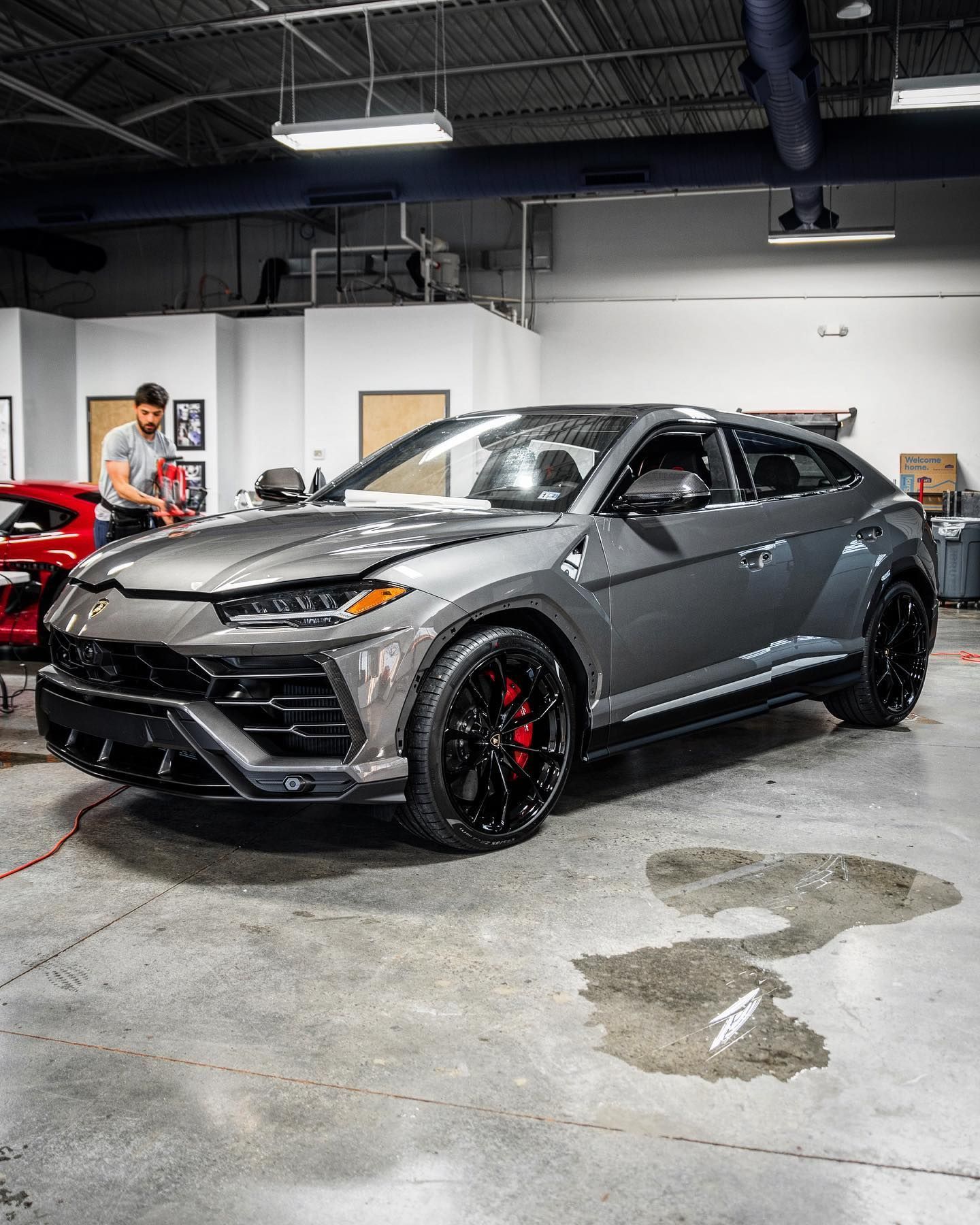
For luxury vehicle owners, the value of consistently stepping out of a car that looks freshly detailed—without spending weekends polishing—can’t be overstated. Your vehicle stops being just a mode of transportation and becomes a reflection of the care and craftsmanship you invest in it.
How Ceramic Coating Makes Maintenance Easier
Although ceramic coating is not a "set-it-and-forget-it" solution, it does make maintenance far easier. With a ceramic-coated vehicle, washing is less of a chore. The hydrophobic surface encourages water to sheet off quickly, reducing the opportunity for minerals to bond to the paint. As a result, water spots, which often form when water evaporates on an unprotected surface, become far less of an issue.
Regular rinsing after rain or washing with a pH-neutral car shampoo will keep the surface pristine, while microfiber towels will ensure no scratches occur during drying. For those who want an even more hands-off approach, blower-style drying methods that eliminate physical contact altogether are becoming increasingly popular.
Ceramic Coating vs. Traditional Wax
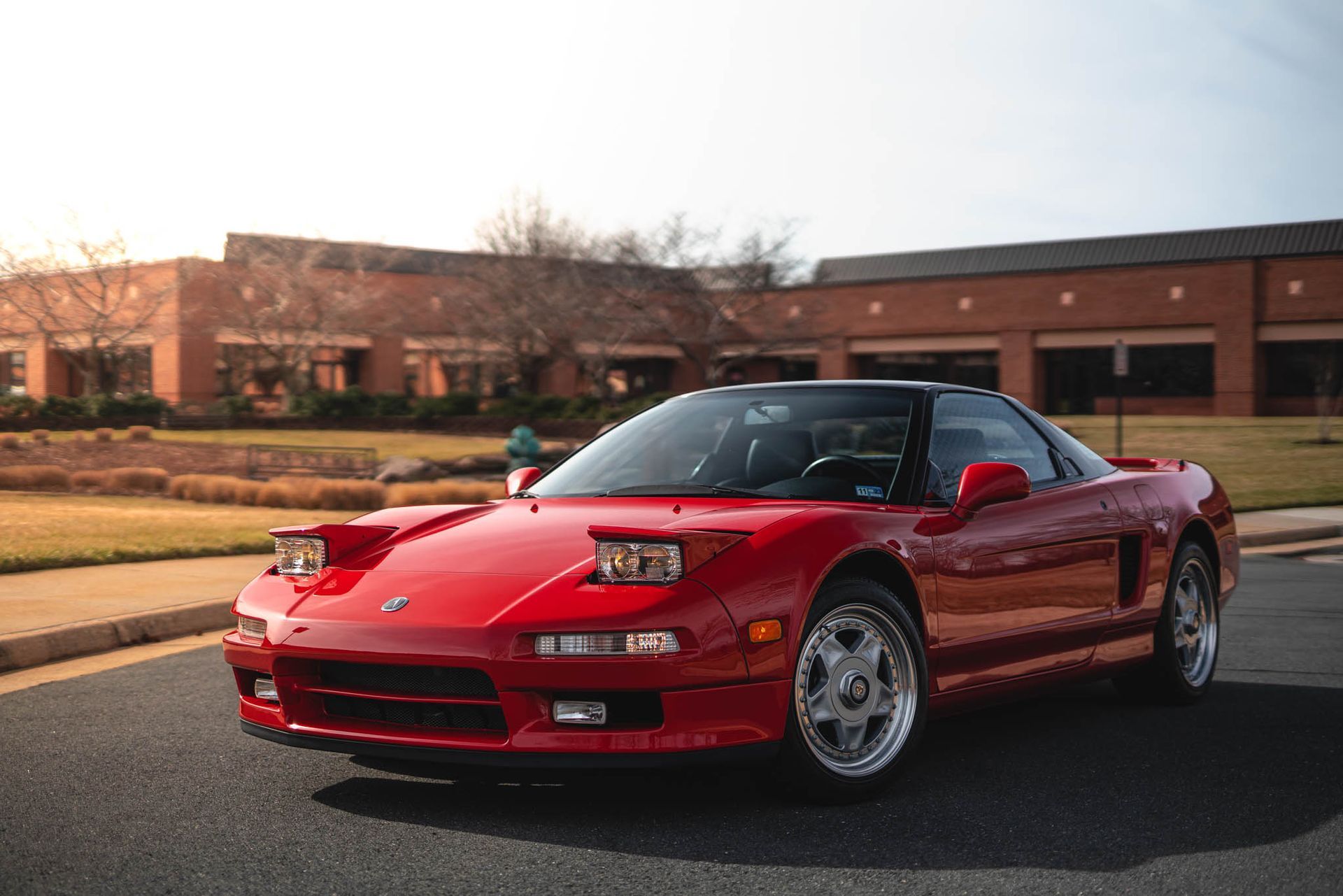
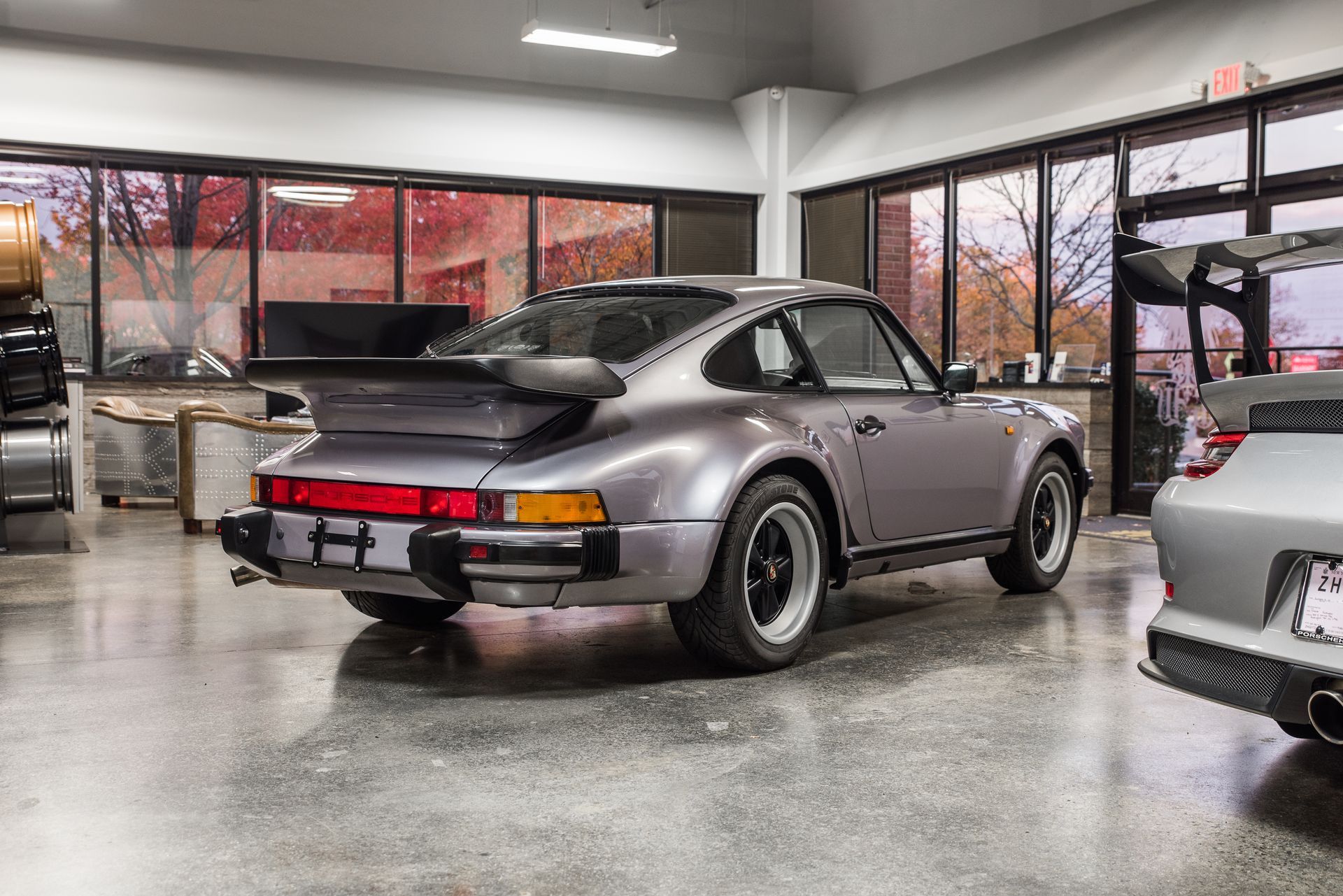
Traditional car wax has its place in automotive care. It provides an attractive gloss and can be applied by any DIY enthusiast in just a few hours. However, it is a sacrificial layer that lasts only three to six months before it begins to degrade from UV and weather exposure.
Ceramic coating, however, represents a fundamentally different approach. Instead of sitting on top of the clear coat, it chemically bonds with it to form a semi-permanent shield that can last between two to five years. This longevity means less money and time spent on frequent waxing or detailing.
Where traditional wax offers limited UV protection and resistance to contaminants, ceramic coatings create a far more resilient barrier against UV radiation, bird droppings, tree sap, acid rain, and road salts—elements that cause long-term damage to your vehicle’s finish.
The Professional Application Process
To ensure your vehicle gets the maximum benefit from ceramic coating, professional installation is highly recommended. Here’s how GlasWerks DMV in Northern Virginia installs ceramic coating to ensure your vehicle receives the best protection possible.
- Thorough Wash and Decontamination
The process begins with a comprehensive wash to remove surface dirt and grime, followed by a clay bar or chemical decontamination treatment to remove bonded contaminants such as iron particles and road tar. After the surface is completely dry, the coating application can begin. - Paint Correction
This step is essential for a flawless finish. Using specialized polishers and compounds, the detailer removes swirl marks, light scratches, and oxidation to reveal a smooth, even surface. Since ceramic coatings bond directly to the paint surface, proper paint correction ensures that the defects are removed before the coating is applied. - Surface Preparation
Once paint correction is complete, the surface is wiped down with an isopropyl alcohol (IPA) solution to eliminate oils, polish residue, or contaminants. This ensures maximum adhesion of the ceramic coating. - Coating Application
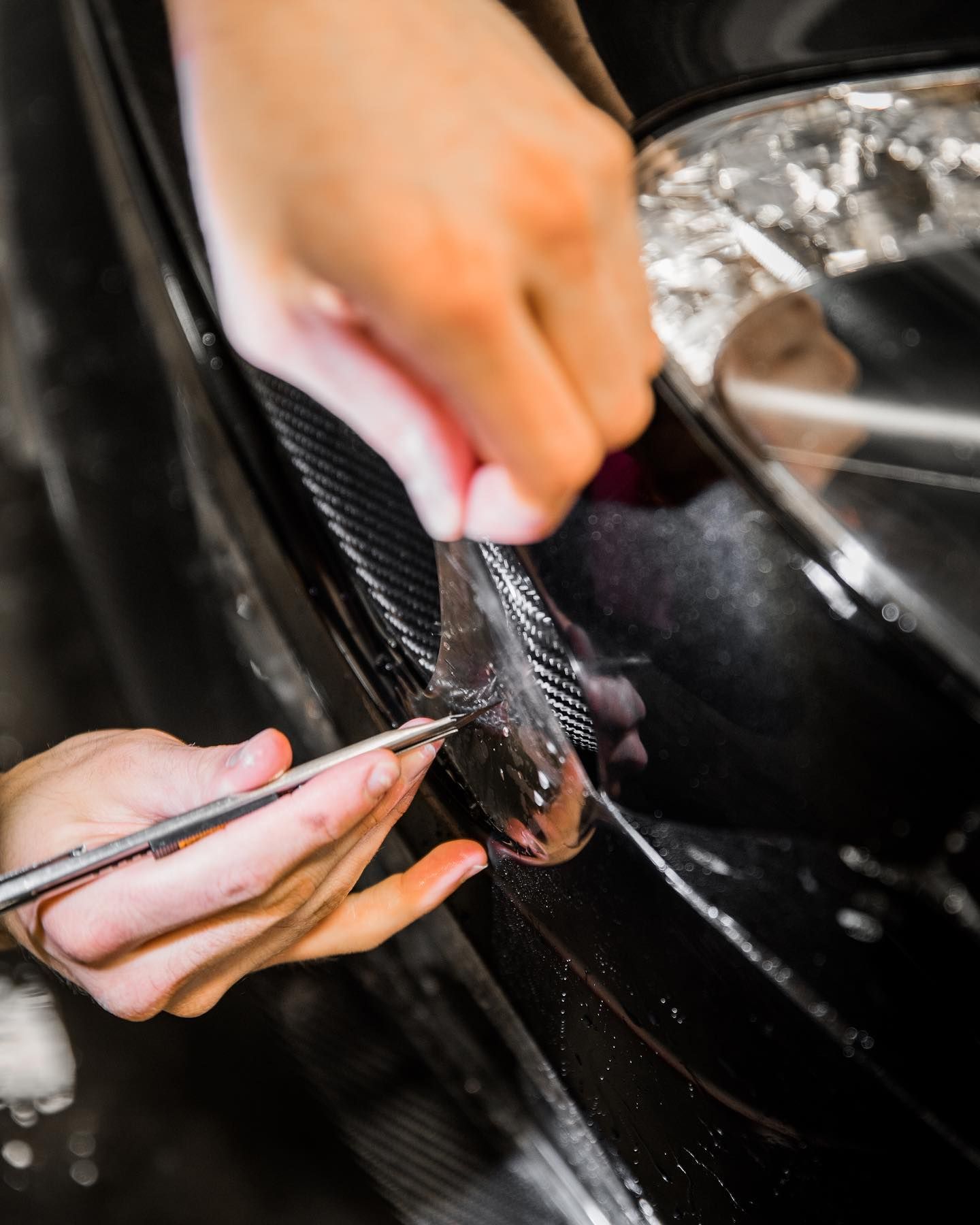
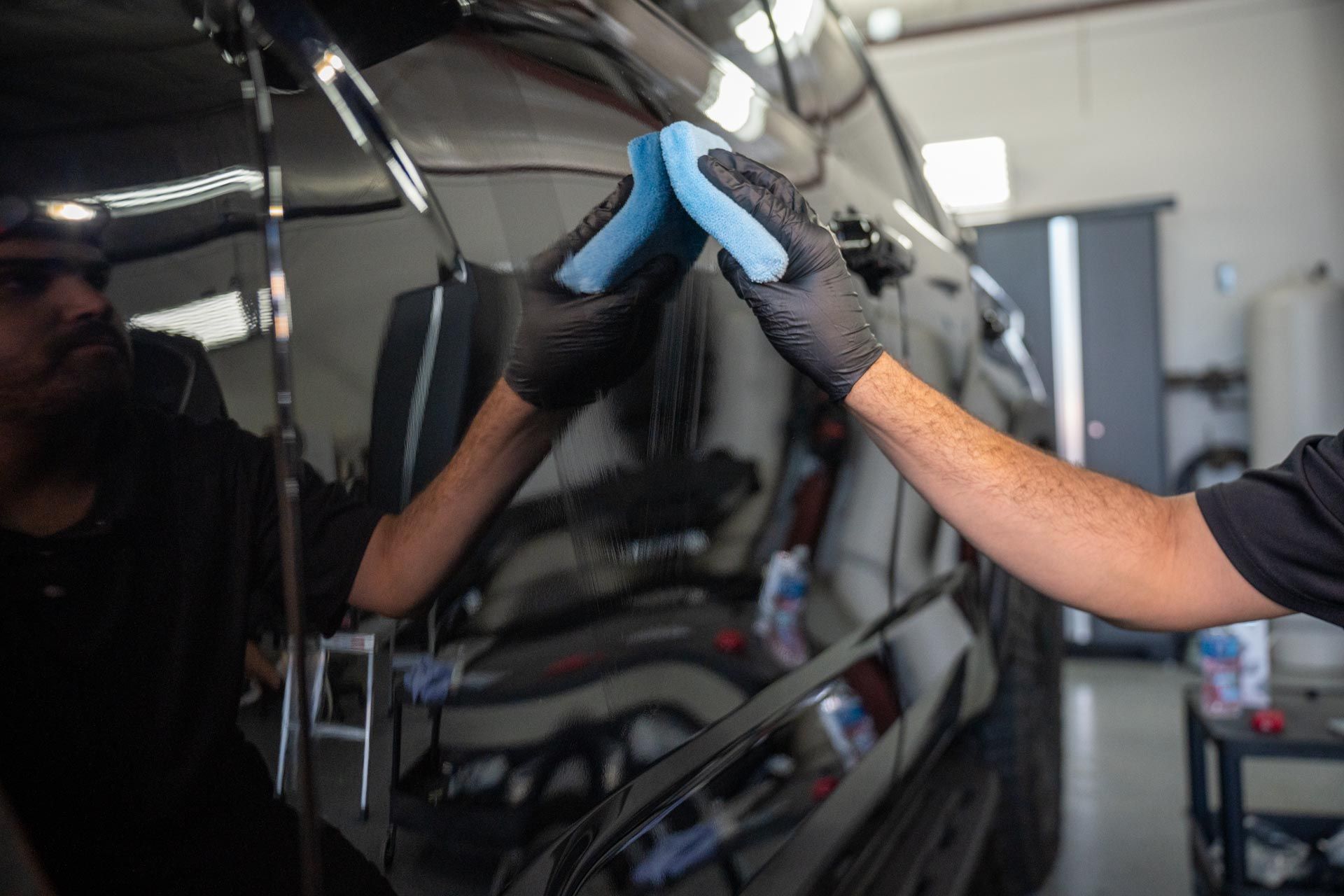
The ceramic coating is applied in small, manageable sections using a specialized applicator pad. The detailer ensures even coverage and removes any excess coating to prevent high spots and uneven gloss. - Curing
After application, the coating requires 24–48 hours to cure and harden. During this period, the vehicle must be protected from rain, dust, and washing. Proper curing conditions ensure the best long-term results.
Protect Your Investment with GlasWerks DMV
Your vehicle is more than just transportation; it’s an investment worth protecting. Ceramic coating, when applied by experienced professionals using premium products, provides years of reliable defense against sun damage, oxidation, and environmental hazards that degrade paint over time. GlasWerks DMV has spent over a decade refining our processes and testing the products we recommend, ensuring that every customer receives the highest quality protection available.
Ready to give your vehicle the protection it deserves?
Contact GlasWerks DMV today for a personalized consultation. Serving the DMV area, we are committed to delivering results that speak for themselves.