
If you drive in Sterling, VA, you’ve likely noticed how demanding the roads can be on your car’s paint. Between the intense sun, road debris, and winter salt, your vehicle’s finish faces constant assault that gradually compromises its appearance and integrity. Over time, this wear doesn’t just make your car look older—it leads to genuine damage that’s costly to repair. After working with countless luxury and exotic vehicle owners at GlasWerks DMV, and witnessing firsthand how unprotected paint deteriorates under these conditions, I want to share what’s actually happening to your vehicle’s surface and why professional-grade protection is essential.
Unprotected automotive paint on Sterling roads deteriorates rapidly due to harsh environmental factors such as UV rays, road salt, road debris, and chemical pollutants. These elements cause fading, oxidation, and contaminant bonding to the clear coat, resulting in permanent damage that detailing alone cannot reverse. This makes
paint protection film and
ceramic coatings essential for preserving your vehicle’s appearance and resale value.
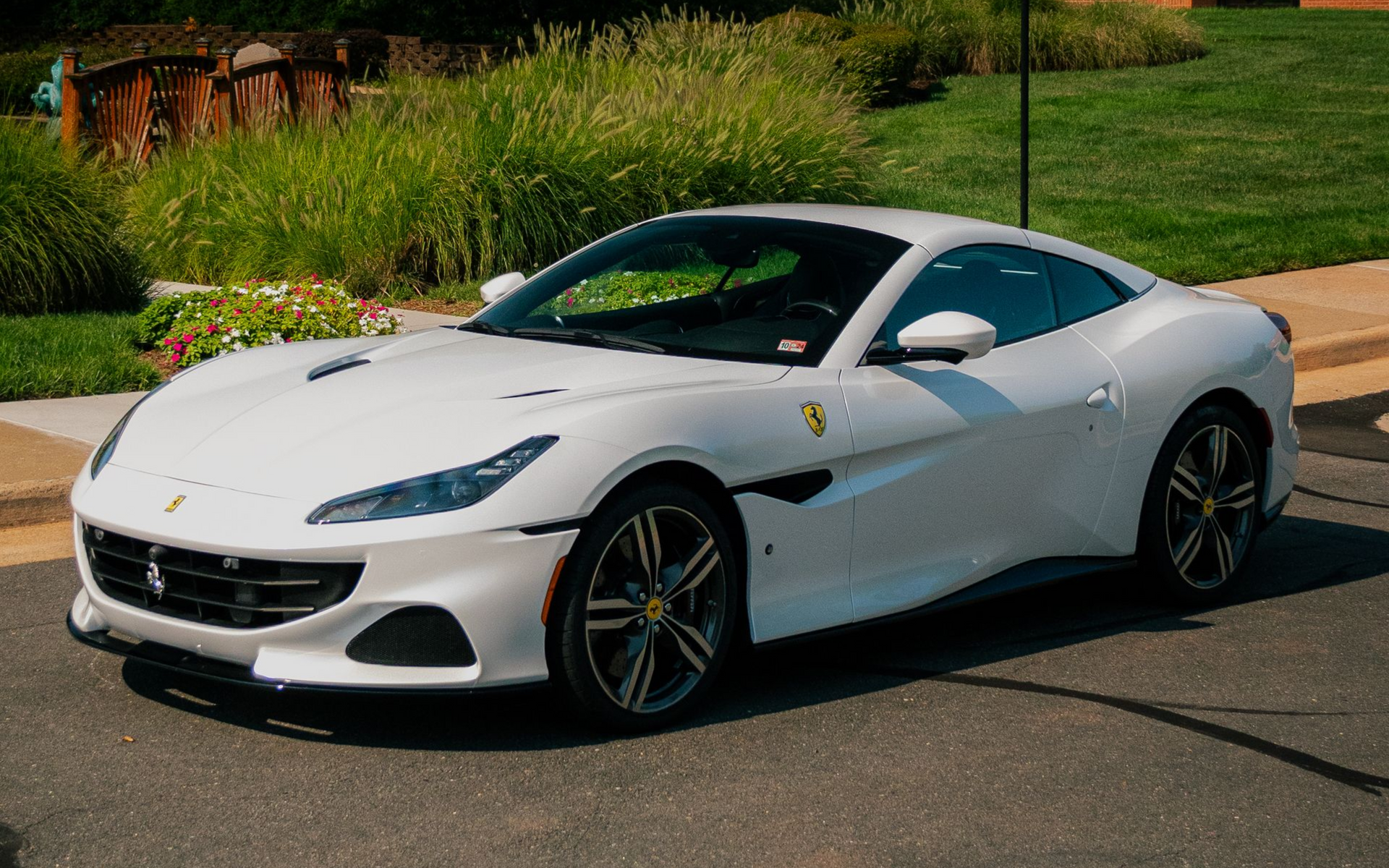
The Reality of Unprotected Paint on Sterling Roads
The paint on modern vehicles isn’t just aesthetic—it’s a critical protective barrier against environmental assault. However, when left unprotected, especially on Sterling’s demanding roads, this barrier quickly becomes compromised. The thin clear coat that seals and shields the color beneath is surprisingly fragile and degrades rapidly under constant stress.
Sterling’s environmental factors work together to undermine the integrity of unprotected paint. UV radiation from the sun plays a silent but destructive role by breaking down polymer chains in the paint layers. Research shows that vehicles exposed without protection can lose up to 30% of their color vibrancy within just three years. This fading doesn’t merely dull your car’s appearance—it signals deeper molecular breakdown that affects structural integrity.
Beyond sun damage, road debris inflicts its own category of harm. Each stone or piece of gravel kicked up by tires creates microscopic scratches on the paint surface. Over time, these micro-abrasions accumulate, thinning the protective clear coat by an average of five microns per year when no protective film is applied.
Then there’s winter in Sterling—a season particularly harsh on automotive finishes. Road salt, commonly used to combat ice, dramatically accelerates corrosion. Studies indicate corrosion rates increase by as much as 40% in regions where salt is regularly applied. This corrosive action attacks the paint, potentially exposing metal surfaces that can rust and deteriorate.
Environmental pollutants like acid rain further intensify the damage. Acidic precipitation chemically etches paint layers, diminishing gloss by approximately 20% within just two years. As seasonal temperature swings push from harsh lows around -20°C to highs near 35°C, your car’s paint expands and contracts repeatedly. This constant thermal stress creates fine cracks that widen over time—a process known scientifically as thermal fatigue.
“Unprotected automotive paint faces multiple simultaneous threats on Sterling roads: UV rays fade it, road debris scratches it, salt corrodes it, acid rain etches it, and temperature fluctuations crack it.”
Moisture compounds these challenges, as Sterling averages approximately 65% relative humidity—sufficient water vapor to seep beneath weakened paint layers, causing blistering or peeling. When these elements combine without proper protective barriers like paint protection film (PPF) or ceramic coatings, paint deterioration accelerates dramatically, compromising both aesthetics and structural integrity.
Common Types of Paint Damage
One of the most frequent causes of paint damage on vehicles traveling Sterling roads is scratches and chips from flying gravel and road debris. At highway speeds, even small pebbles can strike your car’s surface with enough force to leave permanent marks. These aren’t merely cosmetic issues—once the protective clear coat cracks or chips, moisture and contaminants can penetrate beneath the surface, accelerating corrosion.
This explains why vehicles without proper paint protection film sustain an average of 15-20 new stone chips per 100 miles, significantly reducing their paint’s lifespan and resale value.
Closely related to physical abrasions is fading and discoloration—a subtle enemy that works constantly. UV radiation from the sun immediately begins breaking down paint molecules upon exposure, causing colors to lose vibrancy and clear coats to become chalky or oxidized.
Research shows that after just one year of unprotected exposure under strong sunlight, automotive paint can lose up to 30% of its gloss. This gradual degradation doesn’t just compromise appearance—it affects the structural integrity of the finish, making it increasingly vulnerable to further damage.
Then there’s the less obvious but equally damaging issue of contaminant buildup, particularly noticeable during winter months when salt and pollutants combine with moisture. Acid rain and airborne chemicals act as aggressive agents, slowly eroding the clear coat and base paint layers. Acidic compounds with pH levels between 4.0 and 5.0 have been documented to reduce paint thickness by up to 10 microns annually—a subtle but relentless assault on your vehicle’s protective layers.
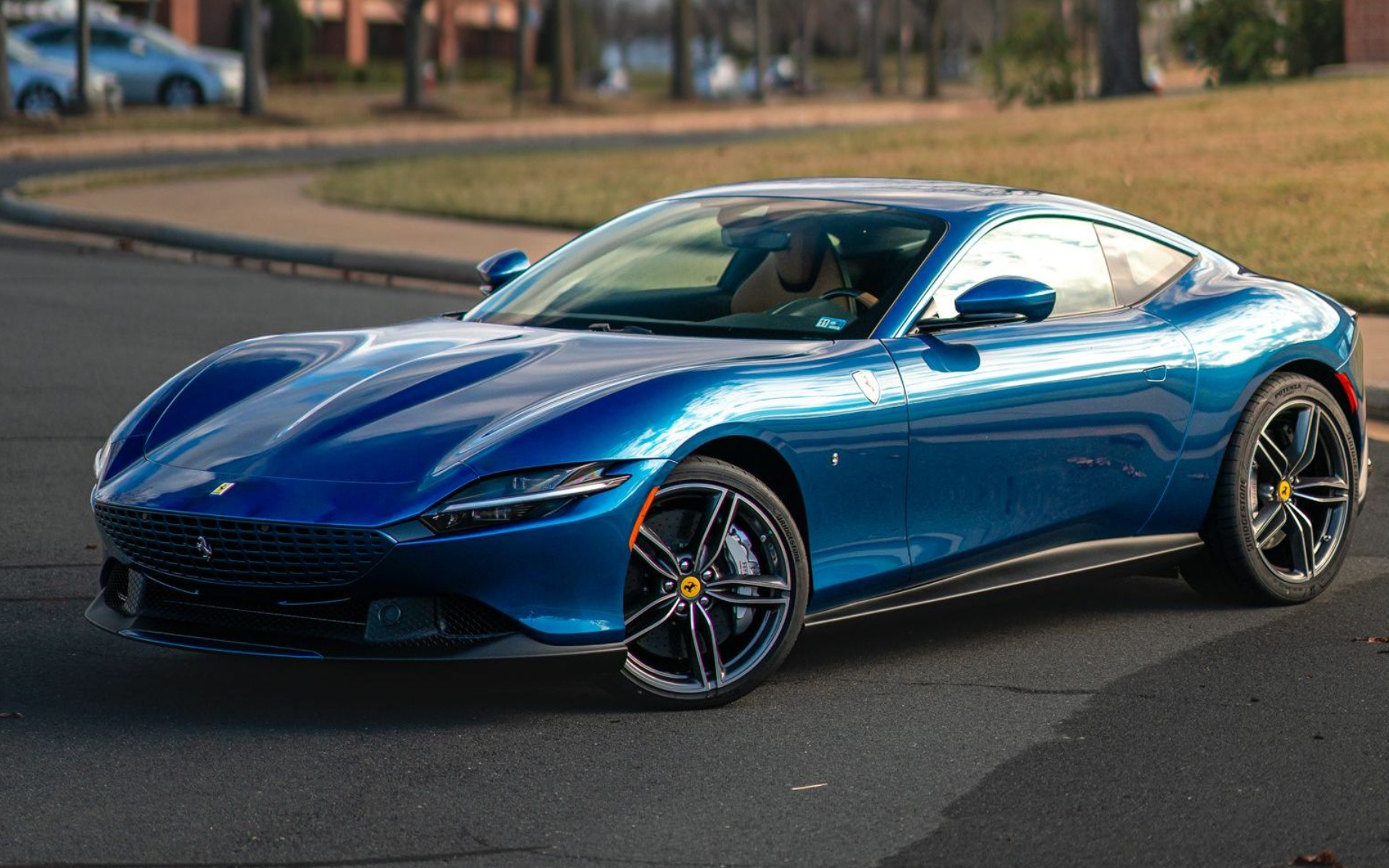
The Role of Chemical Factors in Paint Degradation
When discussing automotive paint deterioration, it’s essential to understand the chemical processes that occur beneath the surface. These reactions, though invisible initially, are responsible for much of the permanent damage we eventually observe on unprotected vehicles.
Oxidation is perhaps the most fundamental chemical threat to automotive paint. When oxygen molecules interact with the paint’s polymer chains—particularly in the clear coat—they trigger a breakdown process that weakens molecular bonds. This oxidation process accelerates exponentially when combined with UV exposure, which provides the energy needed to initiate these destructive reactions.
The result is a progressive loss of paint hardness and flexibility. What begins as barely perceptible dullness eventually becomes obvious chalking and surface deterioration. Once oxidation reaches advanced stages, the damage is irreversible through detailing alone—the affected paint layers must be removed and replaced.
Road salt introduces a particularly aggressive form of chemical attack. Sodium chloride doesn’t just sit on paint surfaces—it actively attracts moisture from the air, creating a corrosive environment that persists even in dry conditions. This moisture accelerates the breakdown of paint binders and, more critically, initiates galvanic corrosion when it reaches the metal substrate beneath compromised paint.
The chloride ions are small enough to penetrate through microscopic imperfections in the paint, establishing corrosion sites that expand beneath apparently intact surfaces. This explains why rust often appears to “bubble up” from underneath paint—the corrosion begins at the metal surface and works outward.
Acid rain represents another significant chemical threat. Modern industrial emissions combine with atmospheric moisture to create precipitation with pH levels as low as 4.0—significantly more acidic than the 5.6 pH of normal rain. These acidic compounds react directly with the calcium carbonate and other alkaline materials used in paint formulations, literally etching into the surface.
The etching process creates microscopic pitting that becomes increasingly pronounced with repeated exposure. These tiny depressions become collection points for additional contaminants and moisture, accelerating further degradation. On darker colors, this damage manifests as a cloudy or spotted appearance commonly called “water spots” or “acid etching”—damage that often cannot be fully removed through polishing.
Benefits of Professional Paint Protection for Your Vehicle
When you consider the daily challenges your vehicle faces—from abrasive road debris to corrosive salt and chemical pollutants—the value of professional paint protection becomes immediately evident. These solutions act as a sophisticated barrier, shielding your car’s paint and underlying materials while preserving its showroom appearance.
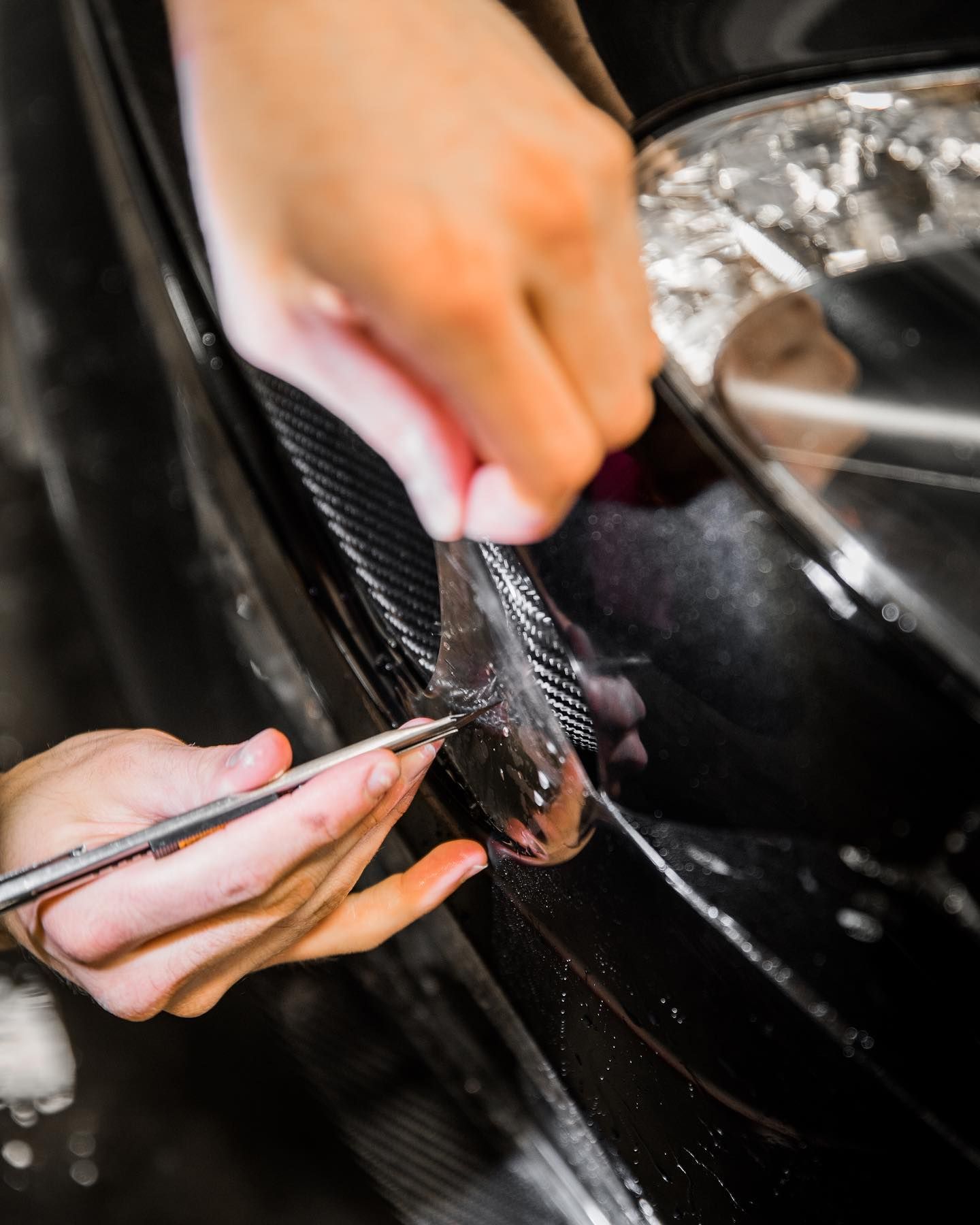
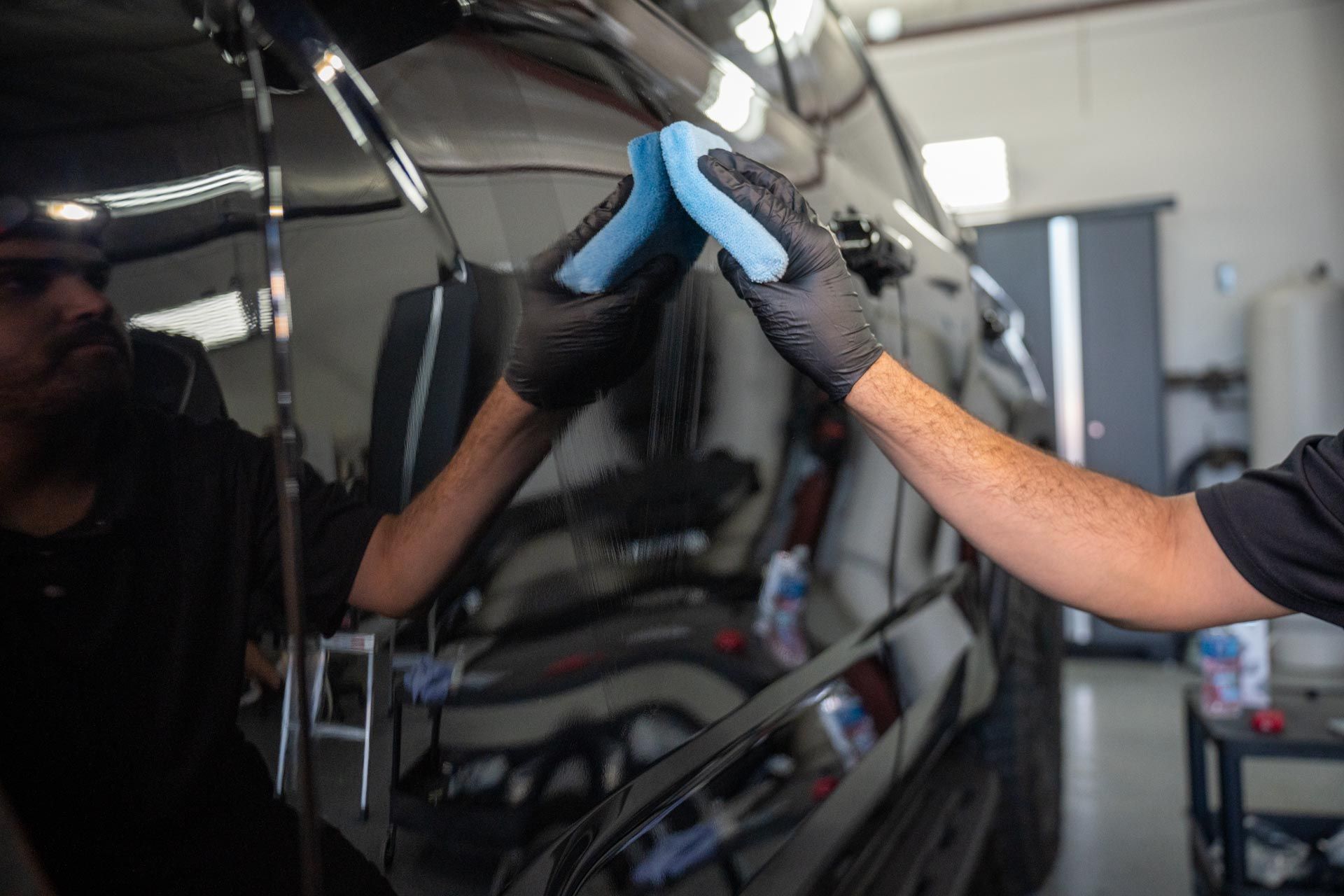
Unlike traditional waxes that degrade quickly, professional solutions such as paint protection film (PPF) and ceramic coatings create durable, long-lasting barriers. PPF provides a self-healing layer that absorbs impacts and scratches that would otherwise permanently damage paint. Ceramic coatings bond at the molecular level, forming a chemically resistant, hydrophobic surface that repels water, contaminants, and UV radiation—making maintenance significantly easier and less frequent.
Beyond aesthetics, these protections actively prevent oxidation and fading caused by UV exposure—particularly critical on Sterling roads where sunlight, heat, and reflective surfaces create constant assault. This protection dramatically extends your vehicle’s finish lifespan, preventing costly repainting or correction work stemming from cumulative damage.
This isn’t merely about maintaining appearance—it’s a strategic investment that helps preserve your vehicle’s resale value by keeping surfaces intact and free from the scratches, staining, and fading that significantly reduce market value.
Conclusion: Protect Your Vehicle’s Investment with GlasWerks DMV
Professional-grade paint protection film and ceramic coatings provide a proactive solution to the ongoing threats your vehicle faces on Sterling roads. While the initial investment may seem significant, the long-term benefits in terms of appearance, maintenance savings, and resale value make these solutions a worthwhile investment for any vehicle owner. Don’t wait until your car’s paint shows signs of damage—protect it today with professional-grade solutions from
GlasWerks DMV.