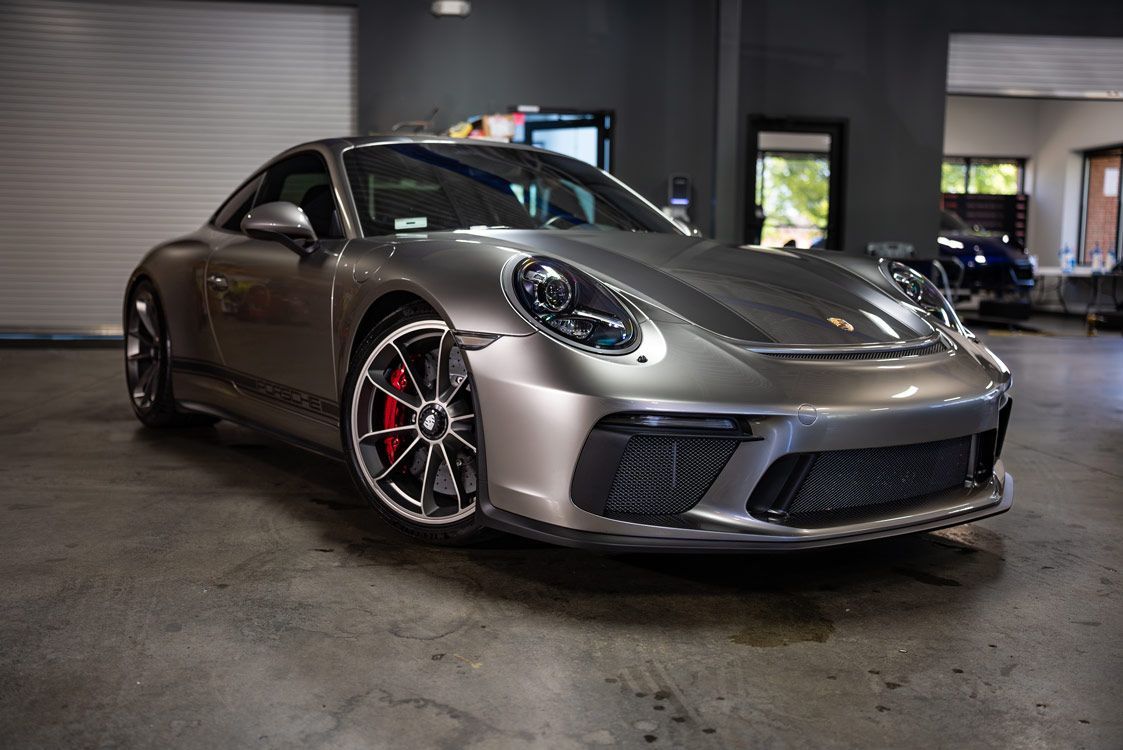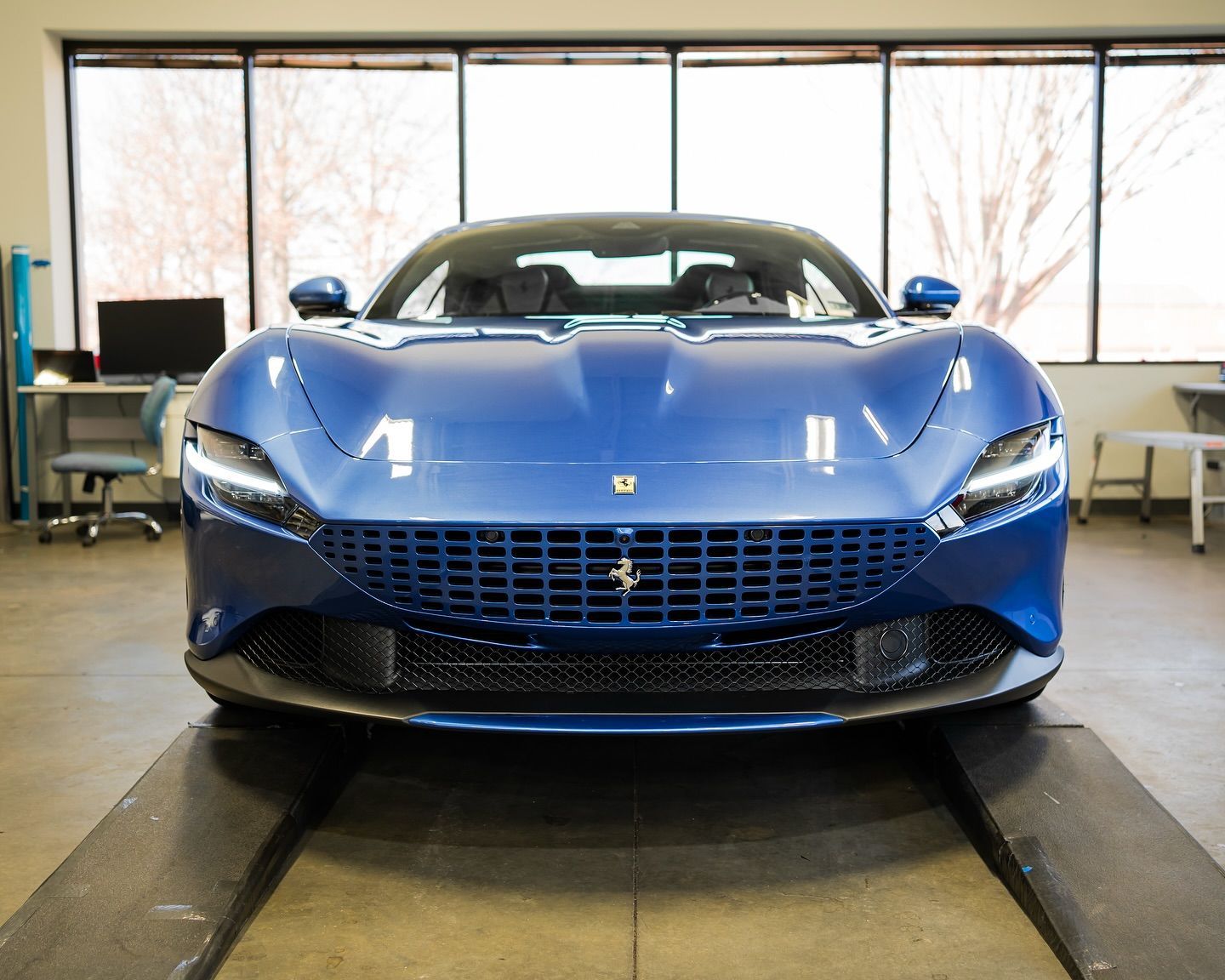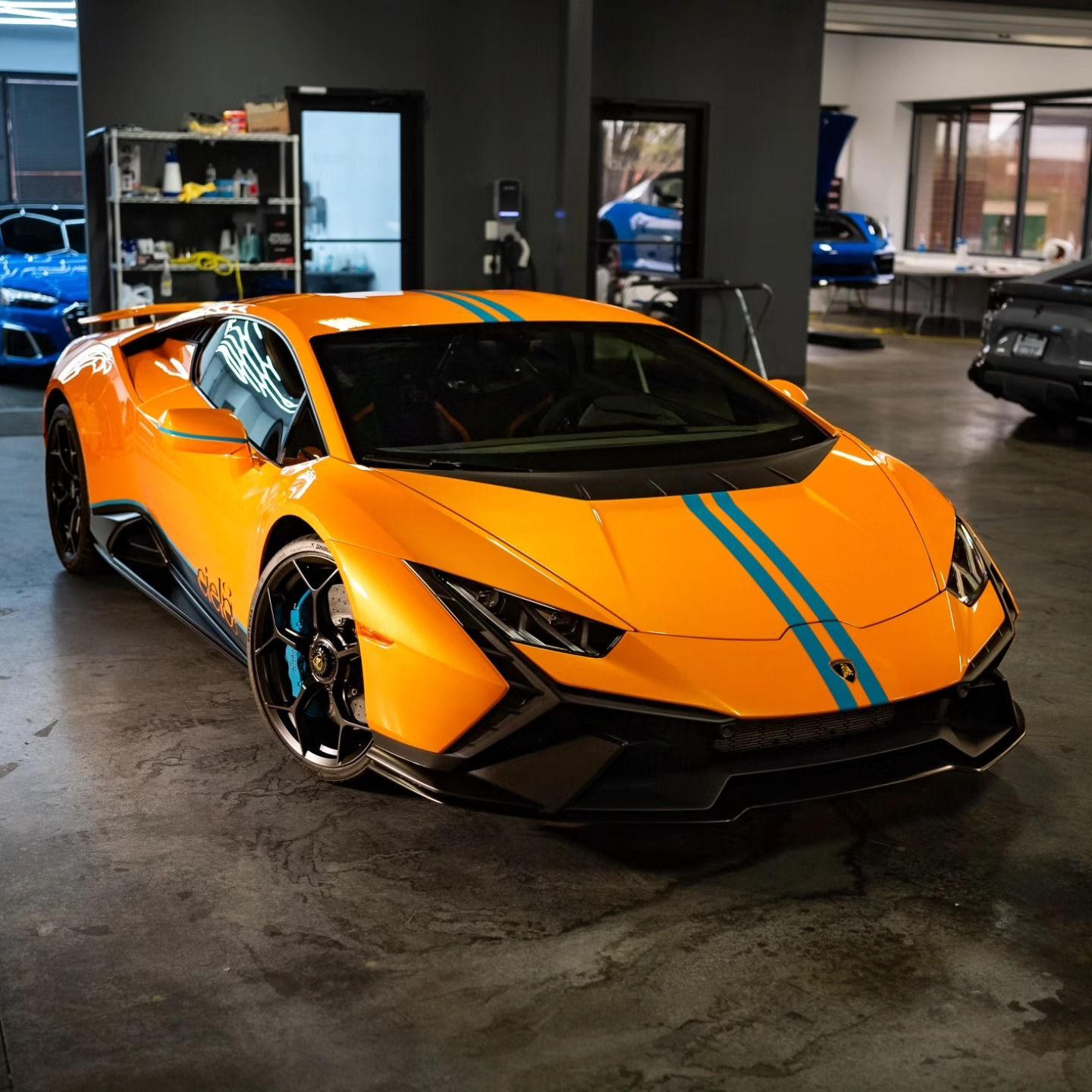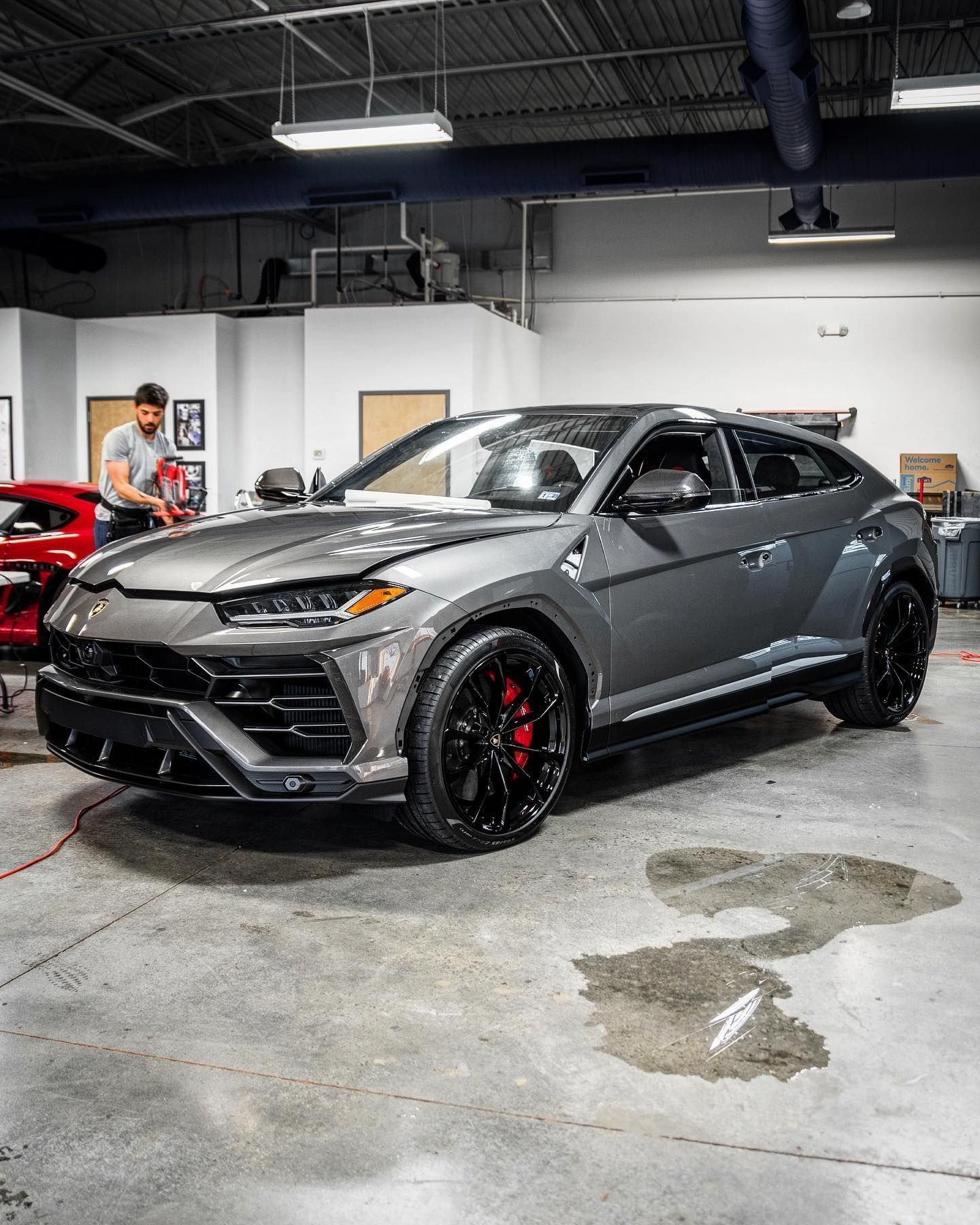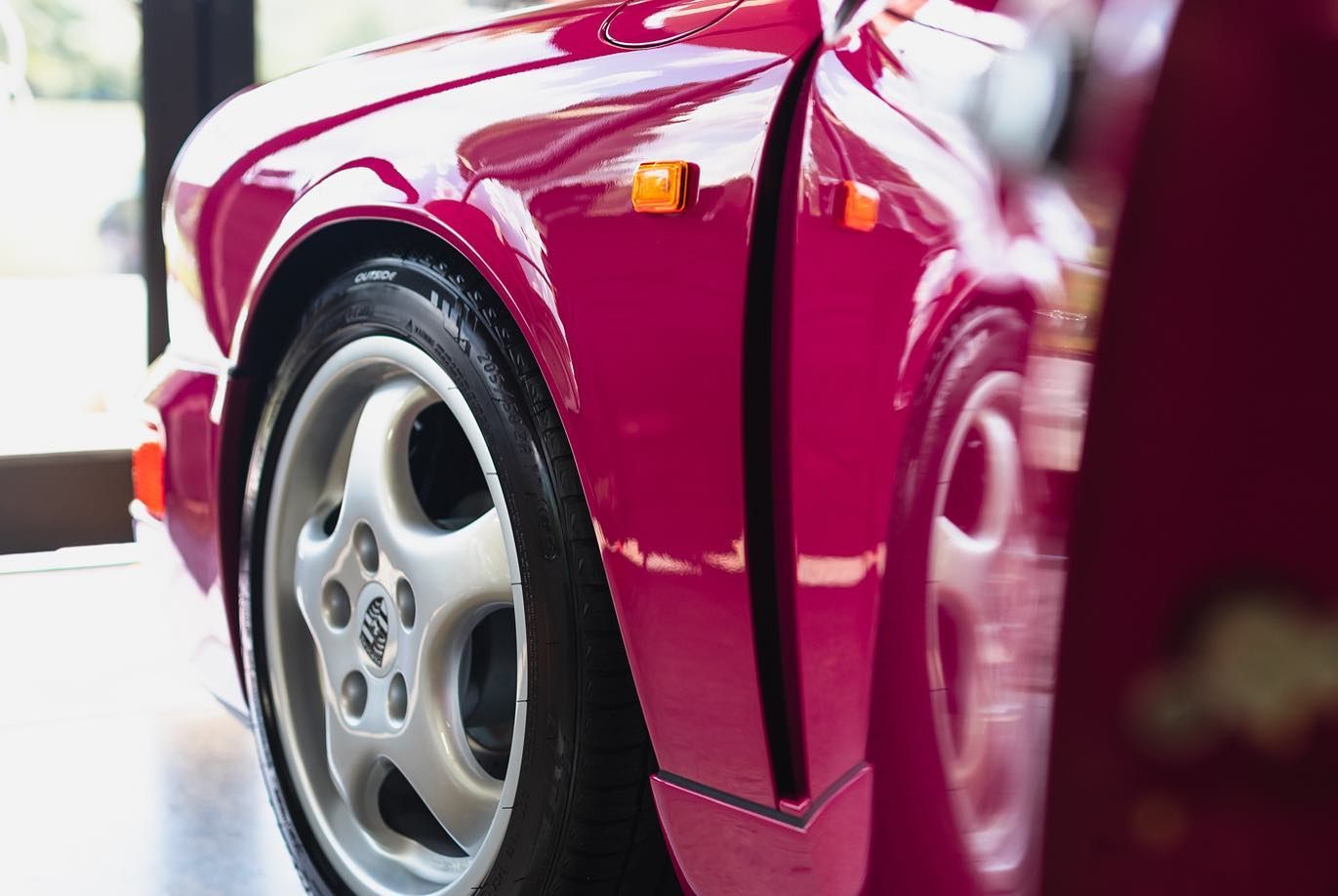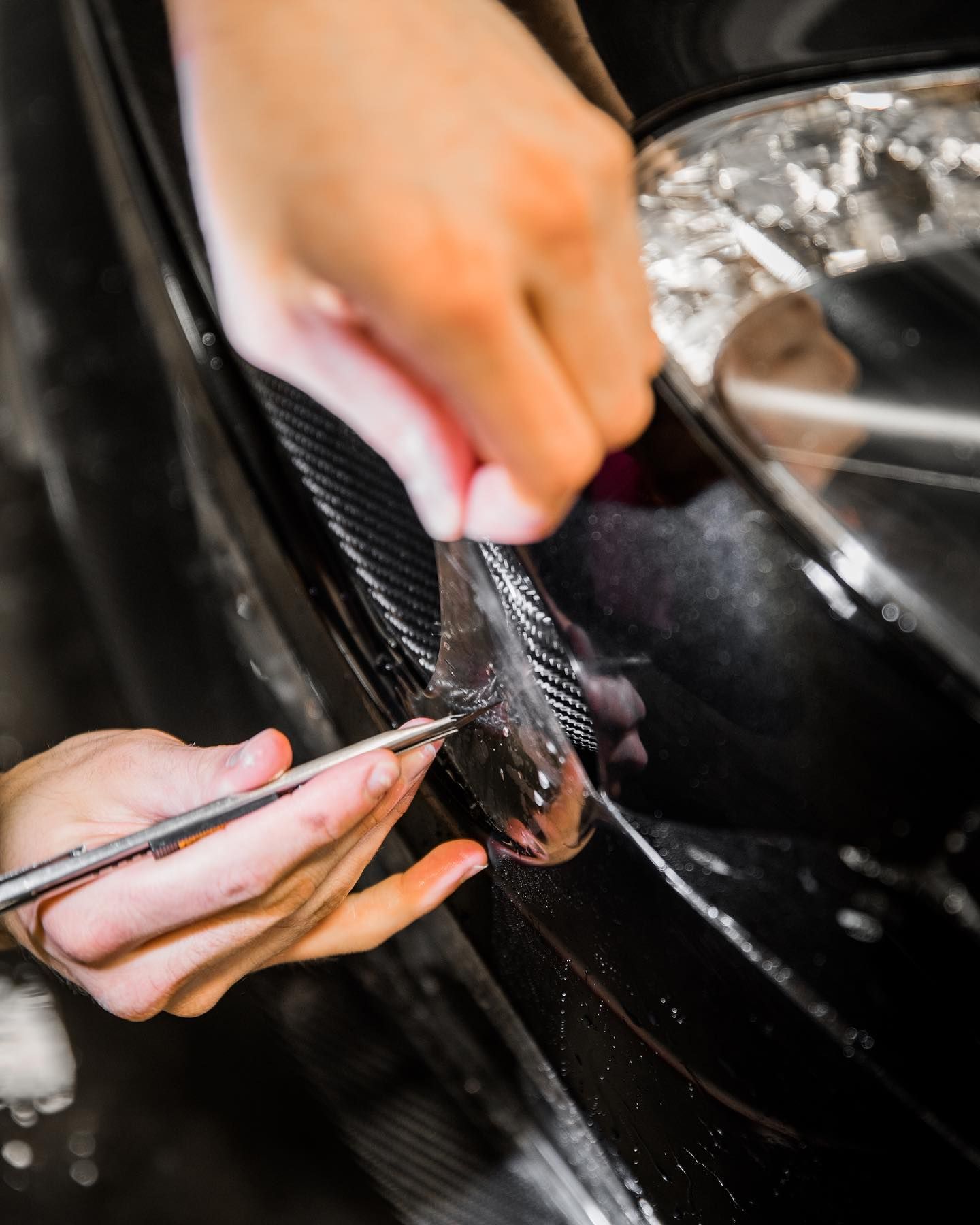

Self-healing paint protection film (PPF) helps protect a vehicle's finish by allowing minor surface marks to fade when exposed to warmth. Unlike traditional protective films, modern self-healing PPF features a flexible top coat that can recover from light swirl marks and surface defects without requiring paint correction.
For vehicle owners in Sterling, VA, self-healing PPF offers a practical way to maintain their vehicle's appearance while protecting against everyday driving hazards. At Glaswerks DMV, we install premium STEK paint protection film designed to provide lasting protection and easier maintenance.
What Is Self-Healing Paint Protection Film?
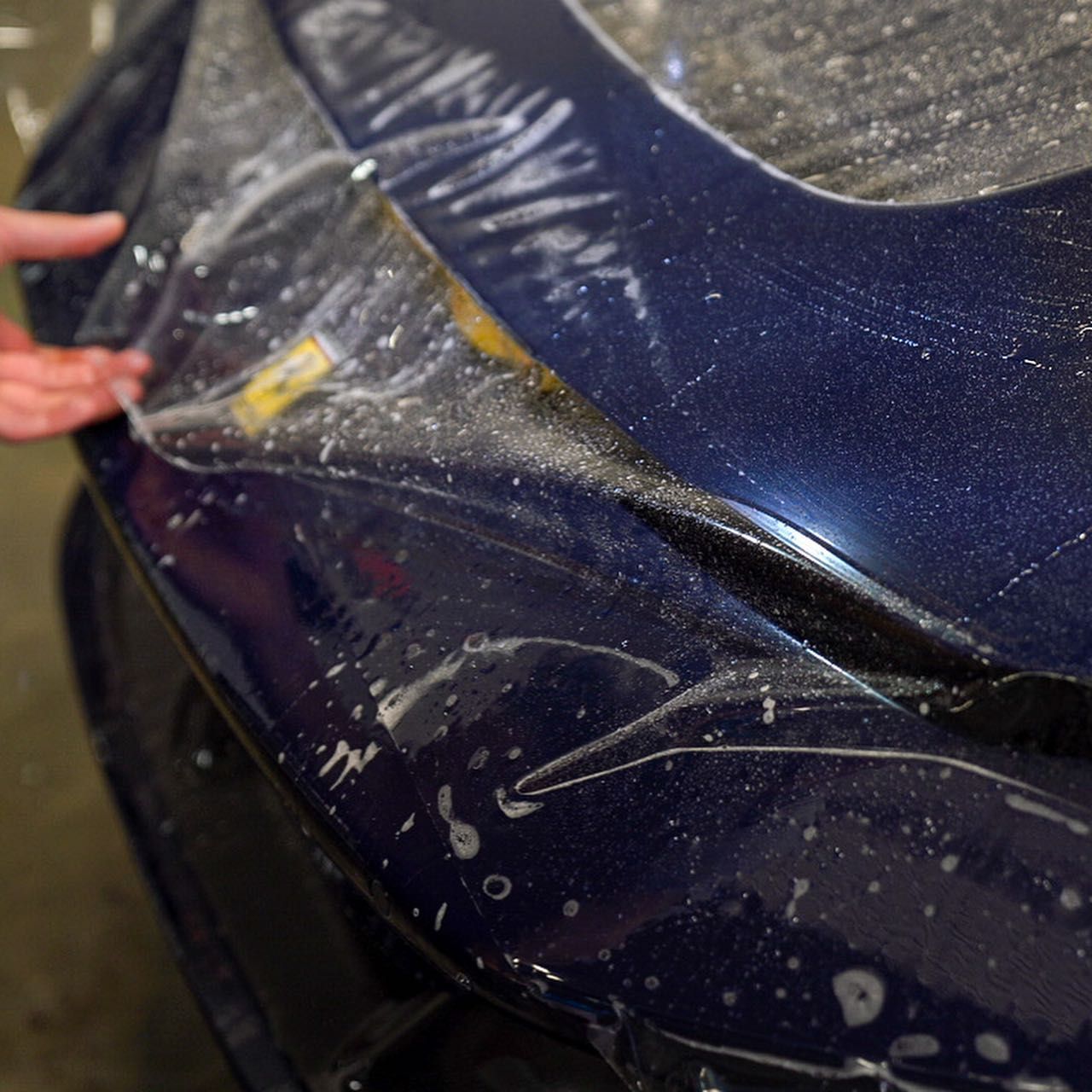
Self-healing PPF is a transparent protective film applied to painted vehicle surfaces to reduce damage from road debris, rock chips, environmental contaminants, and minor contact.
Modern paint protection film typically includes three primary layers: an adhesive layer, a durable thermoplastic polyurethane (TPU) base, and a flexible top coat.
The top coat provides the self-healing capability. When minor surface defects develop, sufficient warmth allows the flexible material to gradually return toward its original smooth appearance.
At Glaswerks DMV, we install STEK paint protection film, including DYNOshield for glossy finishes and DYNOmatte for satin appearances. These films offer self-healing properties and hydrophobic surfaces that make routine cleaning easier.
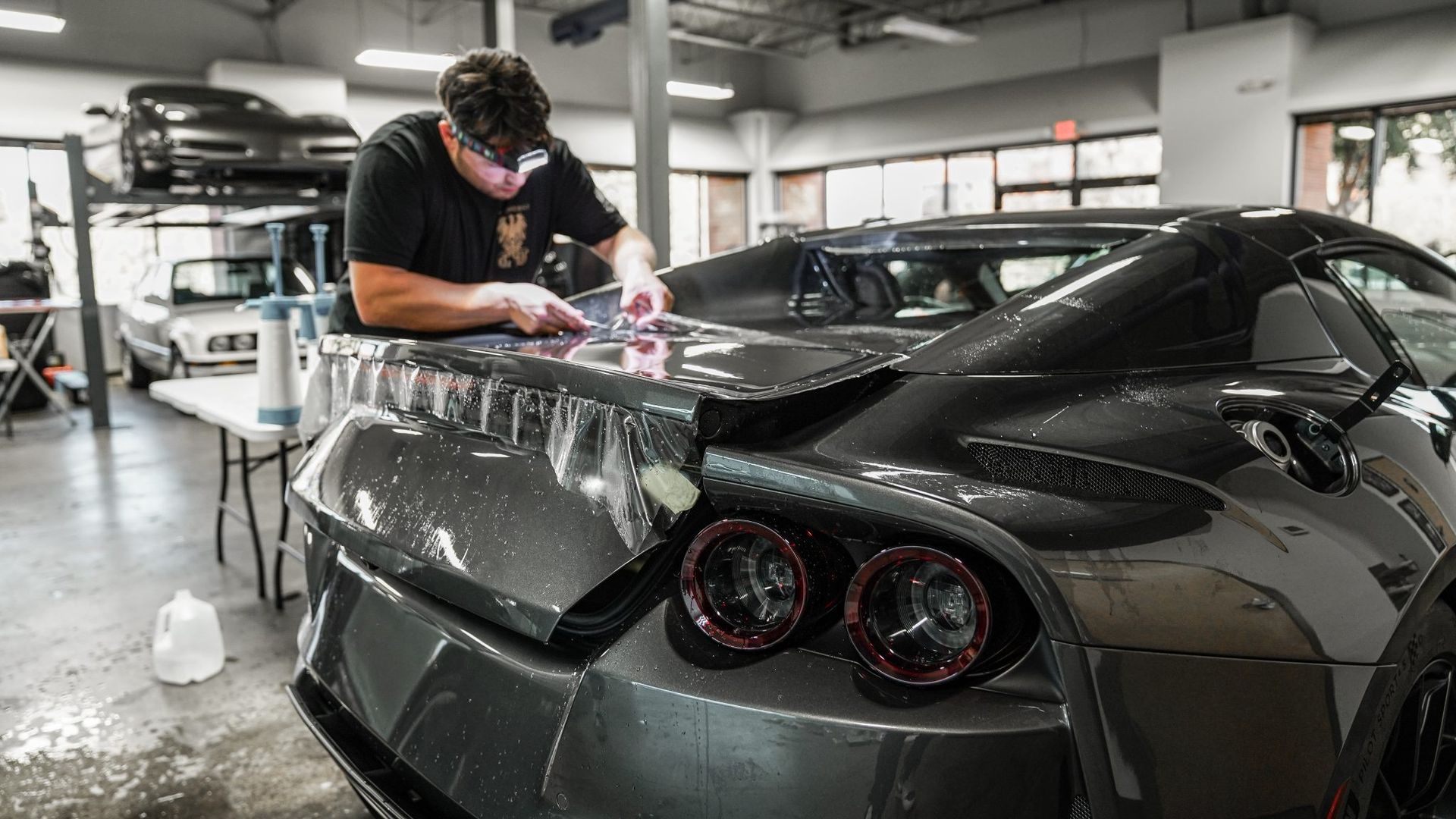
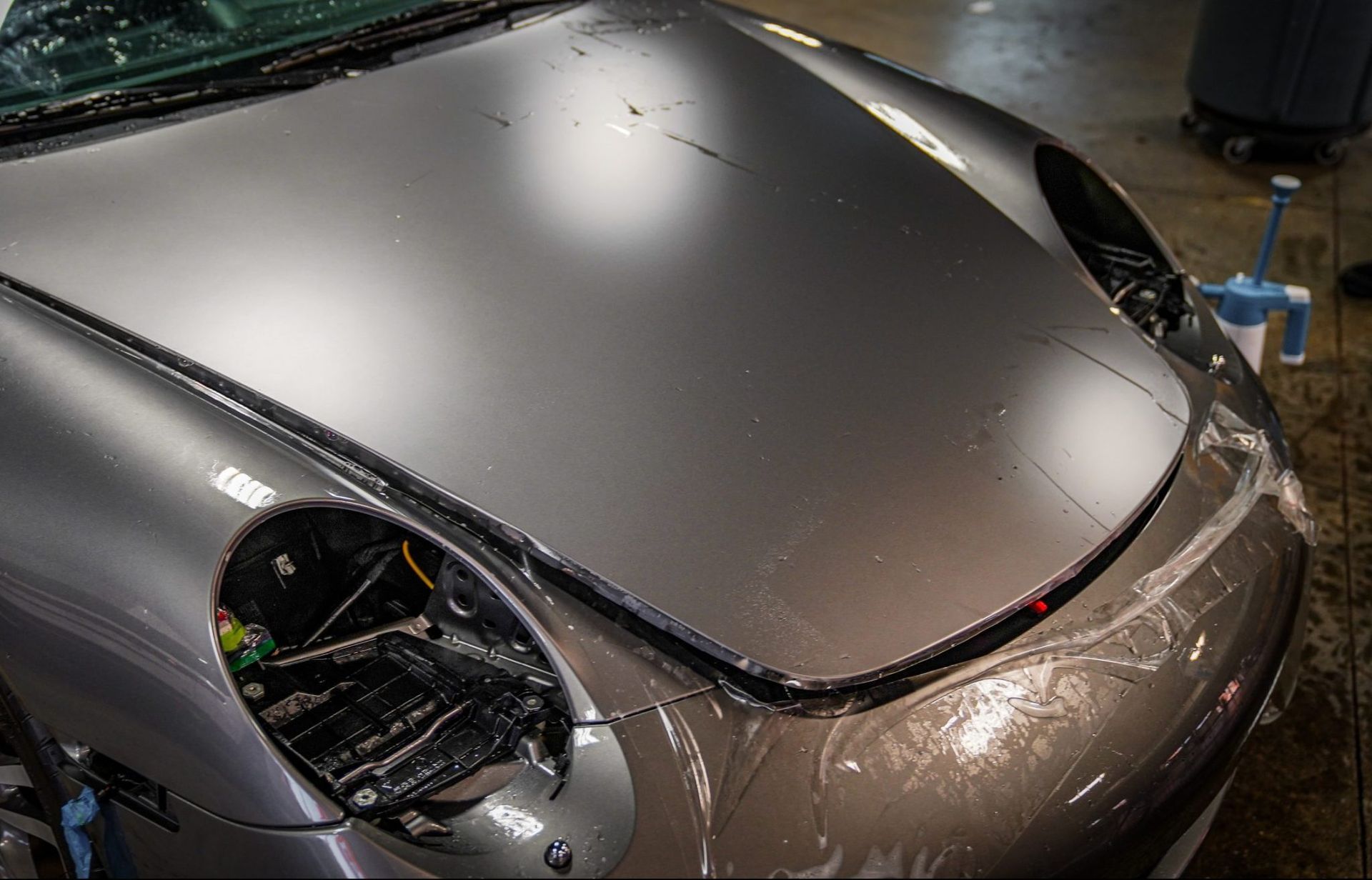
How Does Self-Healing PPF Work?
Self-healing PPF works through a flexible polymer top coat that responds to heat. When a shallow mark forms, the top coat temporarily changes shape, creating an uneven surface that reflects light differently.
As the material warms, its polymer structure becomes more flexible, allowing minor surface irregularities to relax and become less visible.
Sunlight or manufacturer-approved warming methods can activate this process.
However, the results depend on several factors, including surface temperature, film condition, and damage depth.
Self-healing PPF does not repair every type of damage. Its primary function is to minimize shallow marks within the protective top coat, not restore deeply damaged film or underlying automotive paint.
What Types of Damage Can Self-Healing PPF Fix?
Self-healing paint protection film is designed to recover from minor surface imperfections that occur during everyday vehicle use.
Common examples include light car wash swirl marks, superficial scuffs near door handles, minor contact marks from clothing or accessories, and shallow surface defects caused by brushing against vegetation.
These imperfections may gradually become less noticeable when the film reaches an appropriate temperature.
For drivers throughout Sterling, Ashburn, and Northern Virginia, self-healing technology can help preserve a cleaner, more consistent finish between professional detailing appointments.
However, recovery is not guaranteed. Older marks, embedded contamination, or damage extending beyond the top coat may require professional attention.
What Damage Cannot Be Repaired by Self-Healing PPF?
Although self-healing PPF provides an additional layer of protection, it has limitations.
Deep cuts, punctures, torn film, and substantial gouges generally cannot heal because the damage extends beyond the flexible surface layer.
Similarly, self-healing technology cannot correct peeling edges, adhesive failure, or bubbling caused by installation problems or film deterioration.
If the protective film has been compromised, replacing the affected section may be necessary.
A visible or noticeable groove can indicate deeper damage, but a simple fingernail test cannot reliably determine whether the underlying paint has been affected.
Professional inspection helps identify whether the issue involves superficial film damage, a compromised protective layer, or the painted surface beneath it.
How to Activate and Maintain Self-Healing PPF Safely
Proper maintenance supports the appearance and performance of self-healing paint protection film.
Begin by washing your vehicle with a pH-neutral automotive shampoo and clean microfiber wash materials. Removing dirt and road contaminants reduces unnecessary friction during cleaning.
After a new installation, follow your installer's recommended curing period before washing the vehicle.
If minor surface marks appear, gently clean the affected area and allow the film to warm naturally in suitable sunlight.
Some films support additional warming methods, but these should follow the manufacturer's specific care instructions.
Avoid boiling water, concentrated heat, abrasive polishing compounds, harsh solvents, and stiff brushes. Improper treatment can damage the film or weaken its adhesive.
Vehicles with ceramic coatings should also follow coating-specific maintenance recommendations to preserve compatibility and performance.
Is Self-Healing PPF Worth Installing on Your Vehicle?
Self-healing PPF is worth considering for vehicle owners who want to preserve factory paint, reduce visible surface imperfections, and simplify exterior maintenance.
The film provides a sacrificial protective barrier against common driving hazards while helping maintain a more consistent appearance over time.
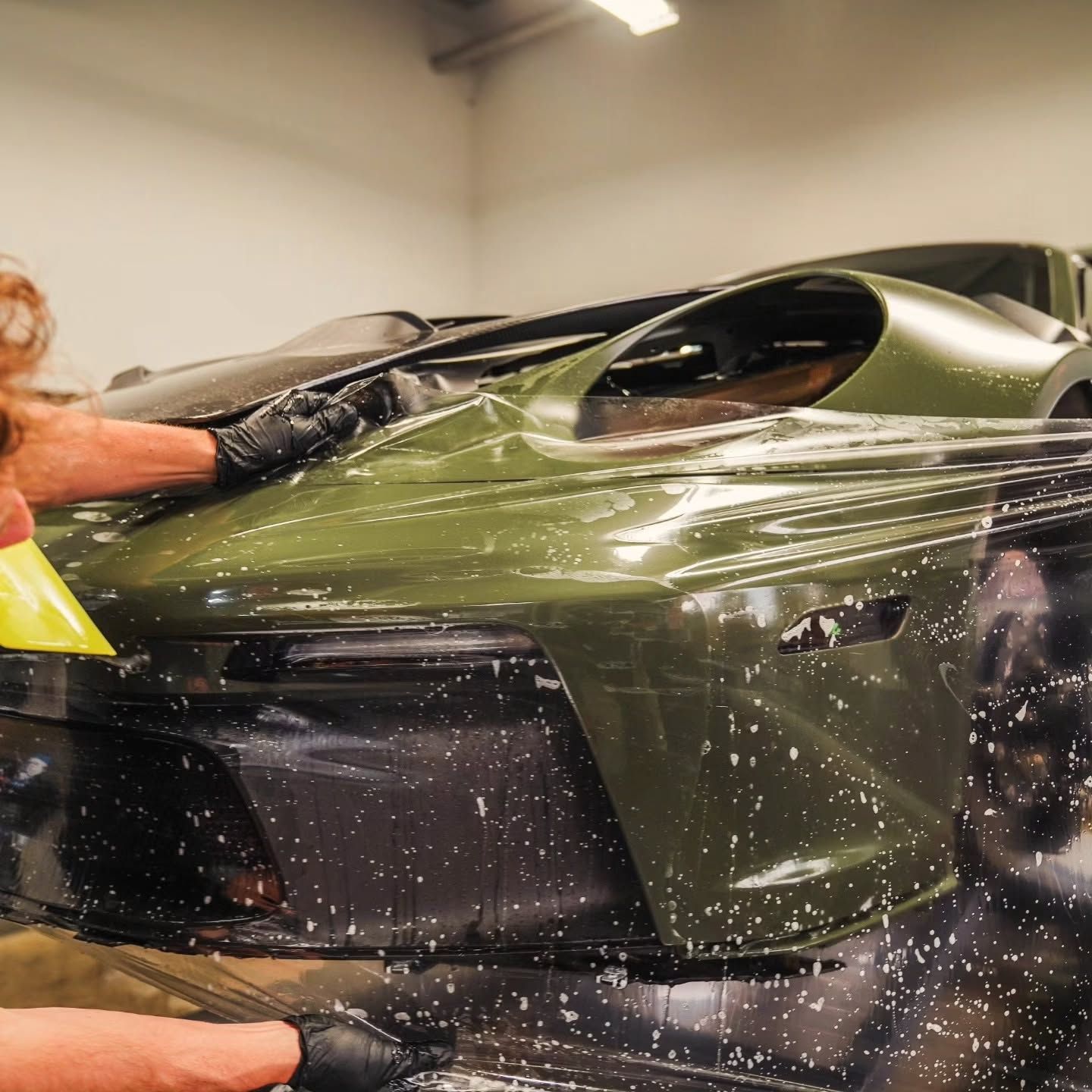
Professional installation is particularly beneficial for high-impact areas such as front bumpers, hoods, side mirrors, and rocker panels.
Full-vehicle coverage may appeal to owners seeking broader protection, while partial coverage can focus on areas exposed to frequent road debris.
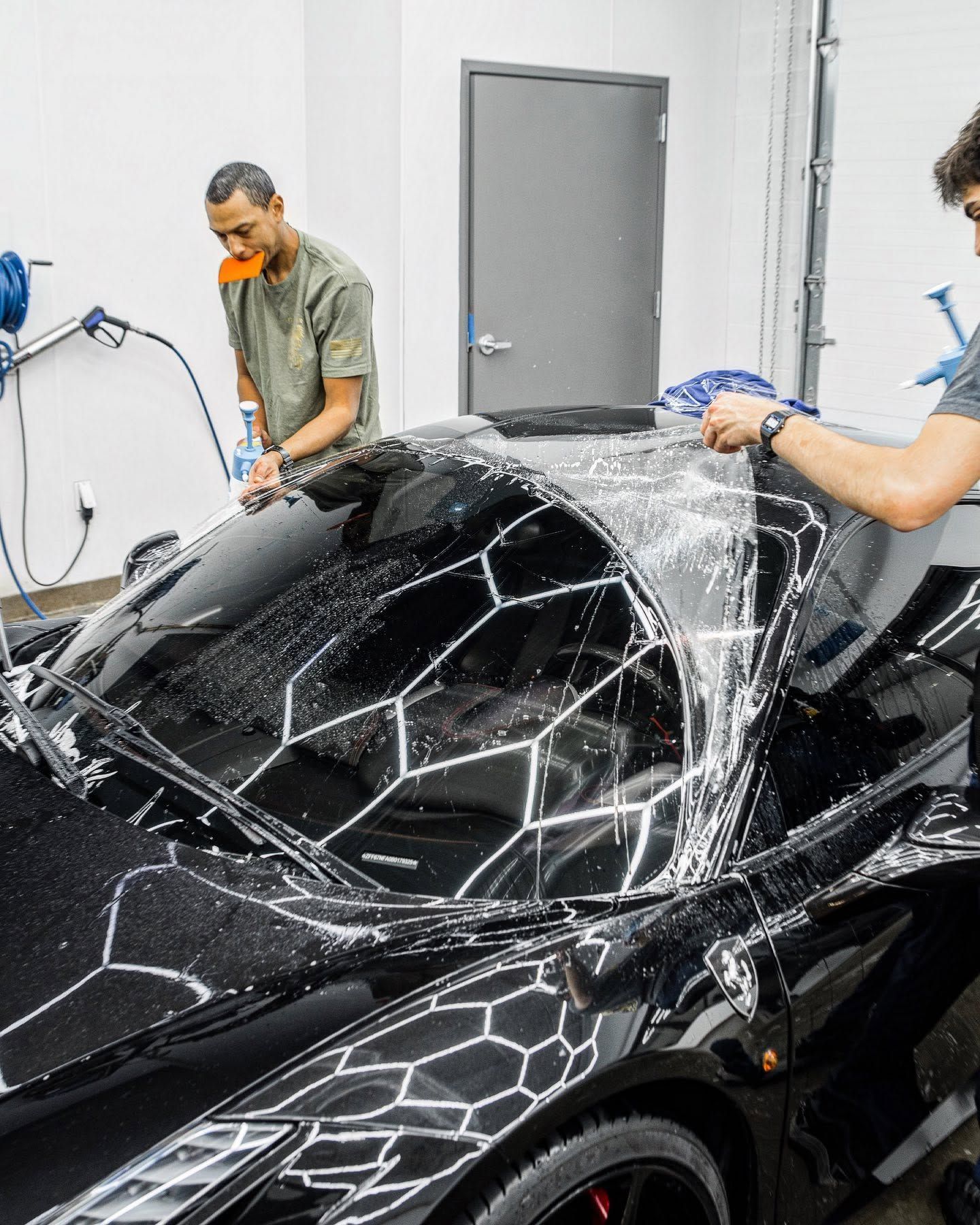
Glaswerks DMV offers professional paint protection film installation with coverage options tailored to different vehicles and driving habits.
Drivers interested in changing their vehicle's appearance can also explore our color change paint protection film services.
When Should You Seek Professional PPF Repair?
Professional evaluation is recommended when damage remains visible after appropriate cleaning and warming or when the film shows signs of structural deterioration.
Lifting edges, punctures, bubbling, and adhesive separation require more than normal self-healing action.
Depending on the condition of the film and underlying paint, the appropriate solution may involve replacing the affected film section or addressing paint damage before reinstallation.
At Glaswerks DMV, we evaluate the condition of existing PPF and explain the available options before recommending further work.
Our veteran-owned automotive enhancement studio focuses on professional installation techniques, quality products, and helping customers understand the protection their vehicles receive.
Self-Healing PPF Installation in Sterling, VA
Protecting your vehicle involves more than selecting a film with self-healing properties. Professional installation, suitable coverage, and proper maintenance all influence long-term performance.
At Glaswerks DMV in Sterling, VA, we provide STEK paint protection film installation for drivers who want to protect their vehicle's finish without compromising its appearance.
Whether you are considering self-healing PPF for a new vehicle or need guidance about existing film damage, our team can help you explore suitable protection options.
Contact Glaswerks DMV or call
(571) 370-8500 to discuss your vehicle's paint protection needs and request a personalized consultation.