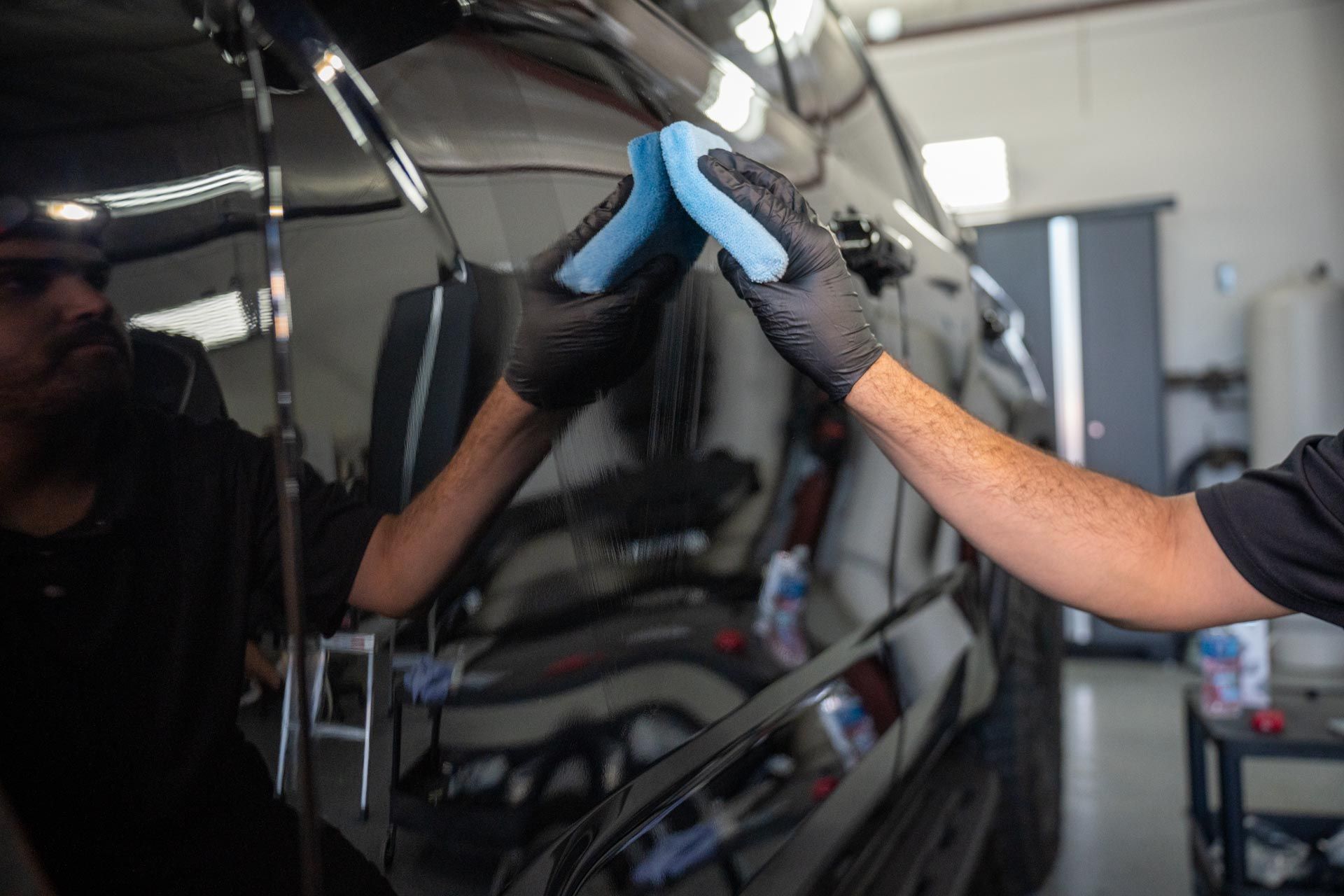

Drivers in Sterling, VA and across Northern Virginia face constant exposure to construction zones, highway gravel, and heavy commuter traffic. While many vehicle owners consider rock chips a minor inconvenience, even small impacts can compromise paint, glass, and long-term vehicle value. For owners who care about preserving their investment, understanding the risks and knowing how to prevent damage is essential.
Rock chips and road debris can damage windshields, paintwork, wheels, and body panels. Left untreated, these minor impacts often lead to rust, spreading cracks, or costly refinishing. The good news is that proactive protection solutions such as
Paint Protection Film installation,
Color Change Paint Protection Film installation, and
ceramic coatingsprovide a durable defense against Northern Virginia road conditions.
Why Rock Chips Are Common in Sterling and Northern Virginia
Sterling and surrounding areas such as Ashburn, Herndon, and Reston continue to see steady development. Construction traffic frequently travels along Route 28, Route 7, and the Dulles Toll Road. Trucks carrying gravel, sand, and building materials often release loose debris onto roadways. At highway speeds, small stones can strike vehicles with significant force.
Seasonal weather also plays a role. Freeze thaw cycles weaken pavement during winter months, creating loose asphalt and exposed aggregate. Road salt and sand used during snow events add additional abrasive material. On high traffic corridors like I 66 and the Capital Beltway, debris exposure is ongoing.
Maintaining distance from trucks and reducing speed in construction zones helps, but defensive driving alone cannot eliminate risk.
The Most Vulnerable Areas of Your Vehicle
Certain areas of a vehicle absorb the majority of debris impact.
Windshield
The windshield is the largest exposed glass surface and sits directly in the path of airborne debris. Small chips can expand into cracks due to temperature changes or vibration. Repairing minor damage quickly can prevent full replacement, which is significantly more expensive on vehicles with advanced driver assistance systems.
Hood and Front Bumper
The hood and front bumper receive the most frequent impacts. Stone chips that penetrate the clear coat expose paint layers beneath. On darker finishes, this damage is especially visible. If bare metal is exposed, oxidation can begin within days in humid conditions.
Side Mirrors and Lower Panels
Lower panels and rear fenders collect debris kicked up by your own tires. Over time, repeated impacts dull the finish and weaken paint protection.
Understanding these high impact zones helps determine where protective film coverage offers the most value.
Types of Damage Caused by Road Debris
Road debris can cause several types of damage that range from cosmetic to structural.
Paint Chips and Surface Damage
Small chips may appear minor, but when the clear coat is compromised, moisture and contaminants can penetrate the surface. Rust formation not only affects appearance but can also reduce resale value.
Windshield Chips and Cracks
Even a small pebble can create a bullseye chip or spider crack. Sudden temperature shifts common in Northern Virginia can cause rapid spreading. Early repair is far less expensive than full replacement.
Tire and Wheel Damage
Sharp debris can puncture tires or dent wheels. For performance vehicles, wheel balance and structural integrity are critical for safe handling. Routine inspection helps identify damage before it leads to blowouts or alignment issues.
Since most debris impacts occur at highway speeds, prevention is far more effective than reactive repair.
Smart Driving Habits to Reduce Risk
Defensive driving reduces exposure but does not eliminate it.
- Maintain a safe following distance of at least three to five seconds, especially behind commercial vehicles.
- Slow down in construction zones and on deteriorating pavement.
- Avoid driving directly behind gravel trucks whenever possible.
- Inspect your vehicle regularly for chips and cracks.
While these habits help, they cannot stop airborne gravel traveling at highway speed. For long term protection, physical barriers and surface coatings provide stronger defense.
Professional Protection Solutions in Sterling, VA
For drivers who want to preserve appearance and value, advanced protection systems offer reliable results.
Paint Protection Film Installation
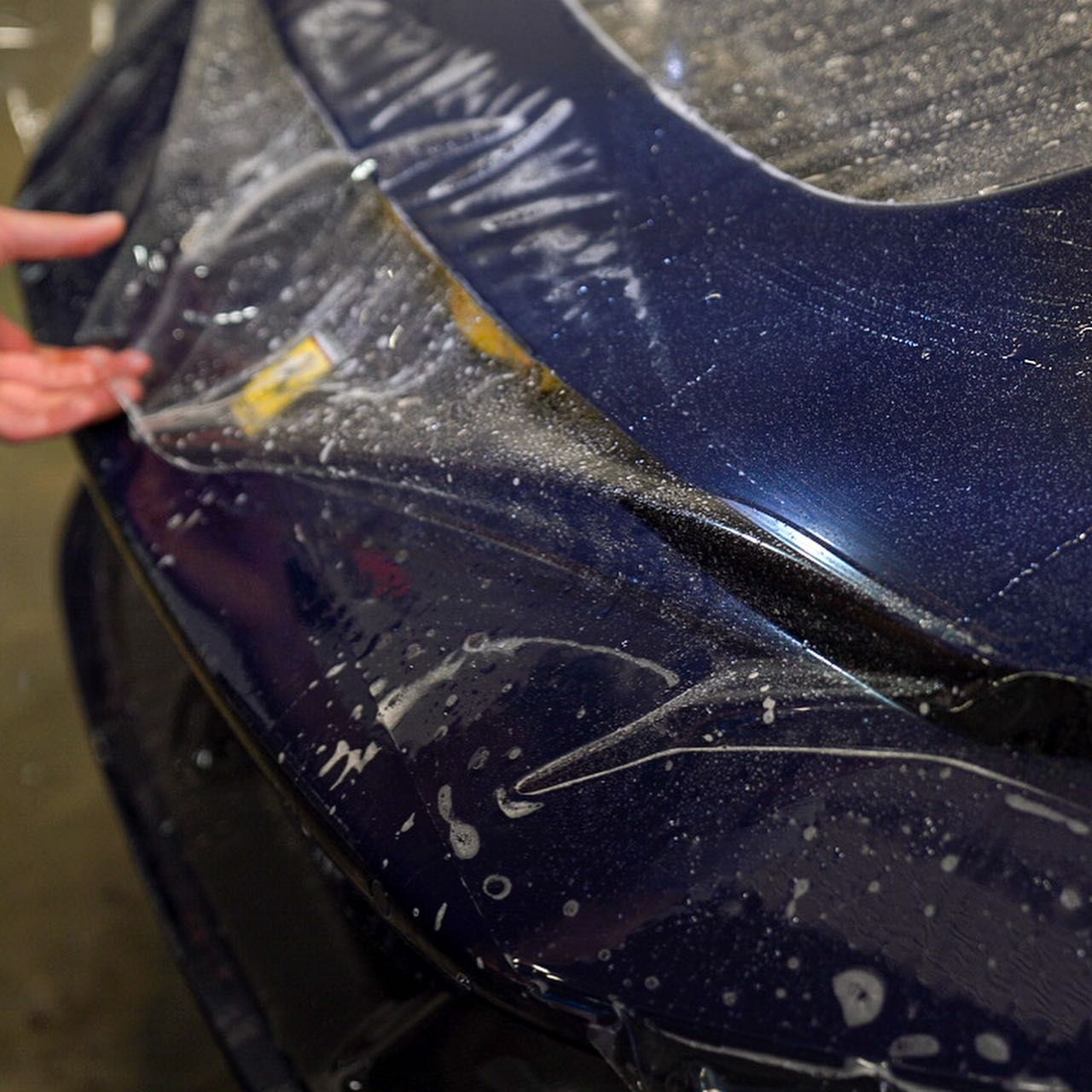
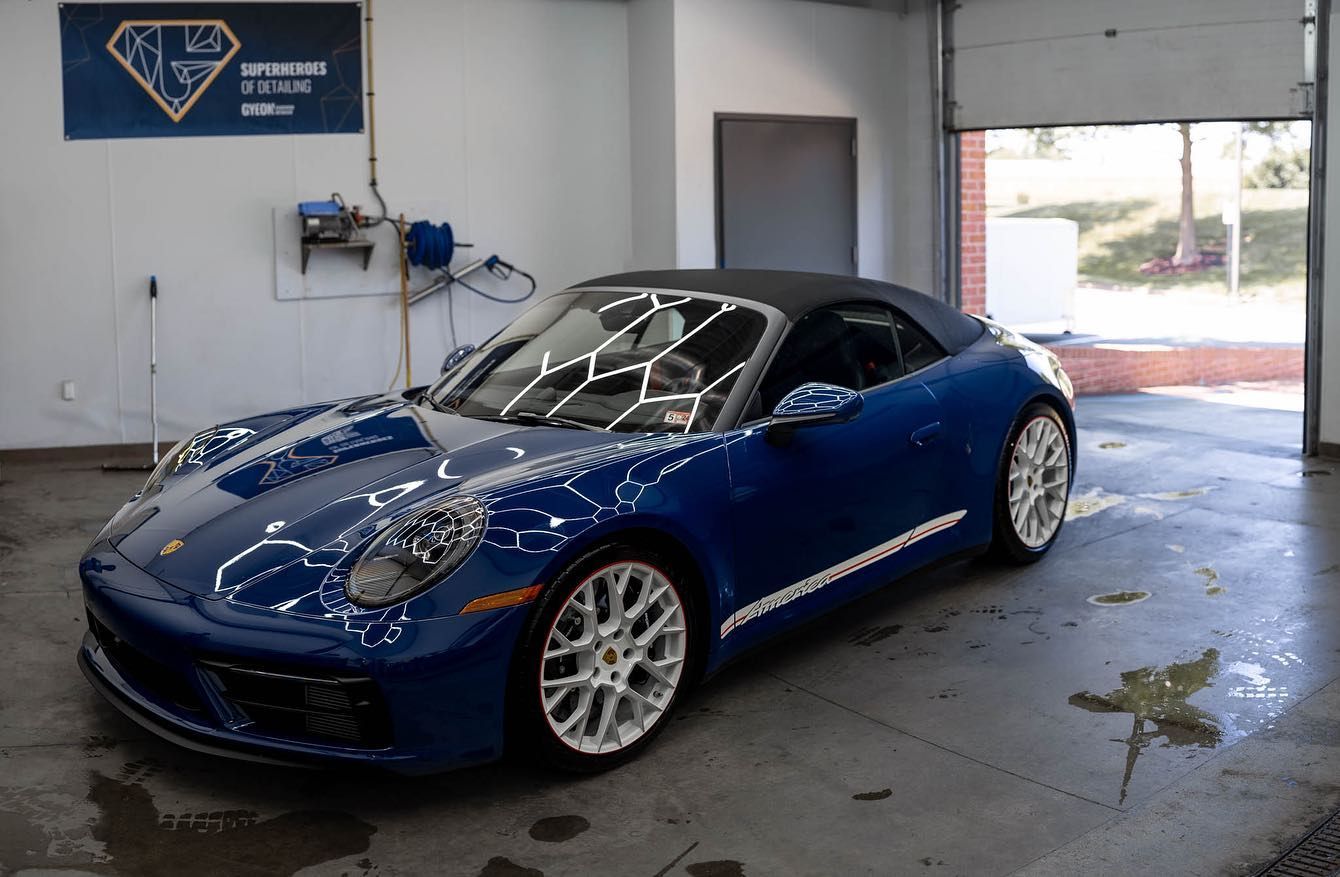
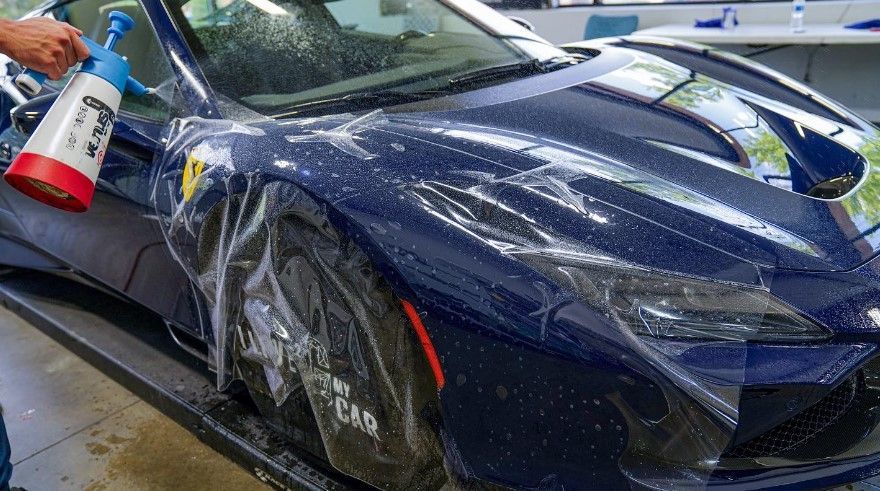
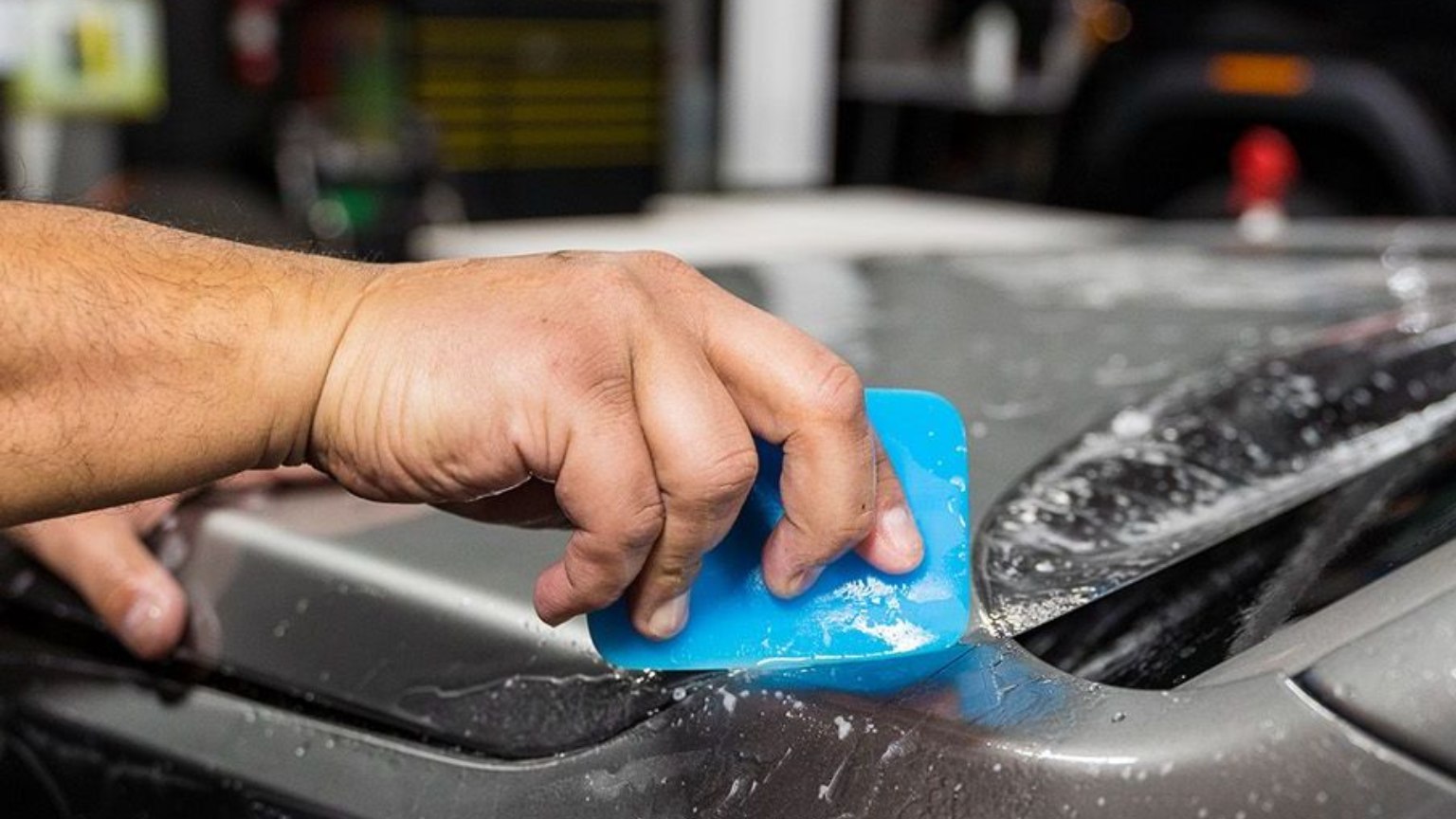
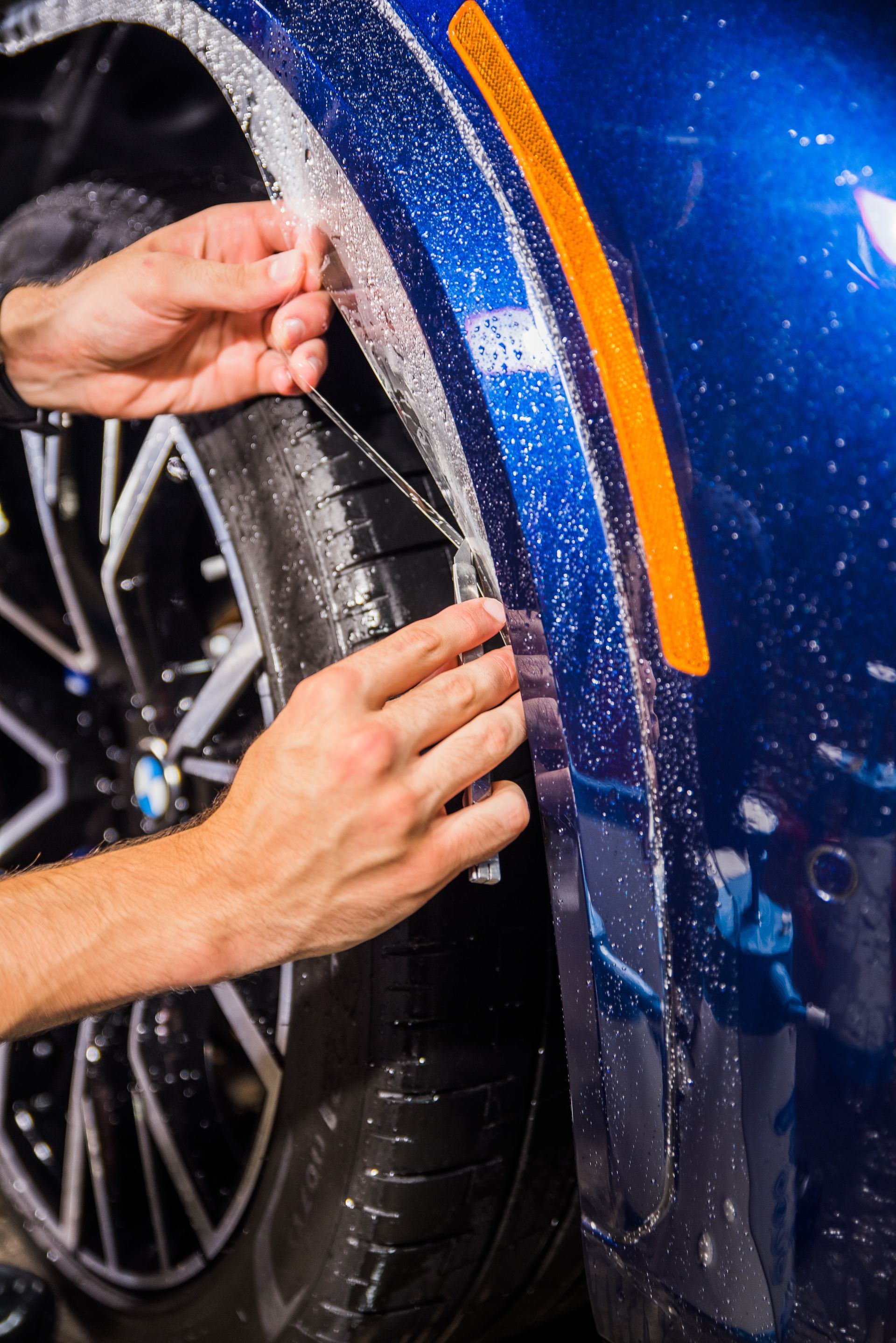
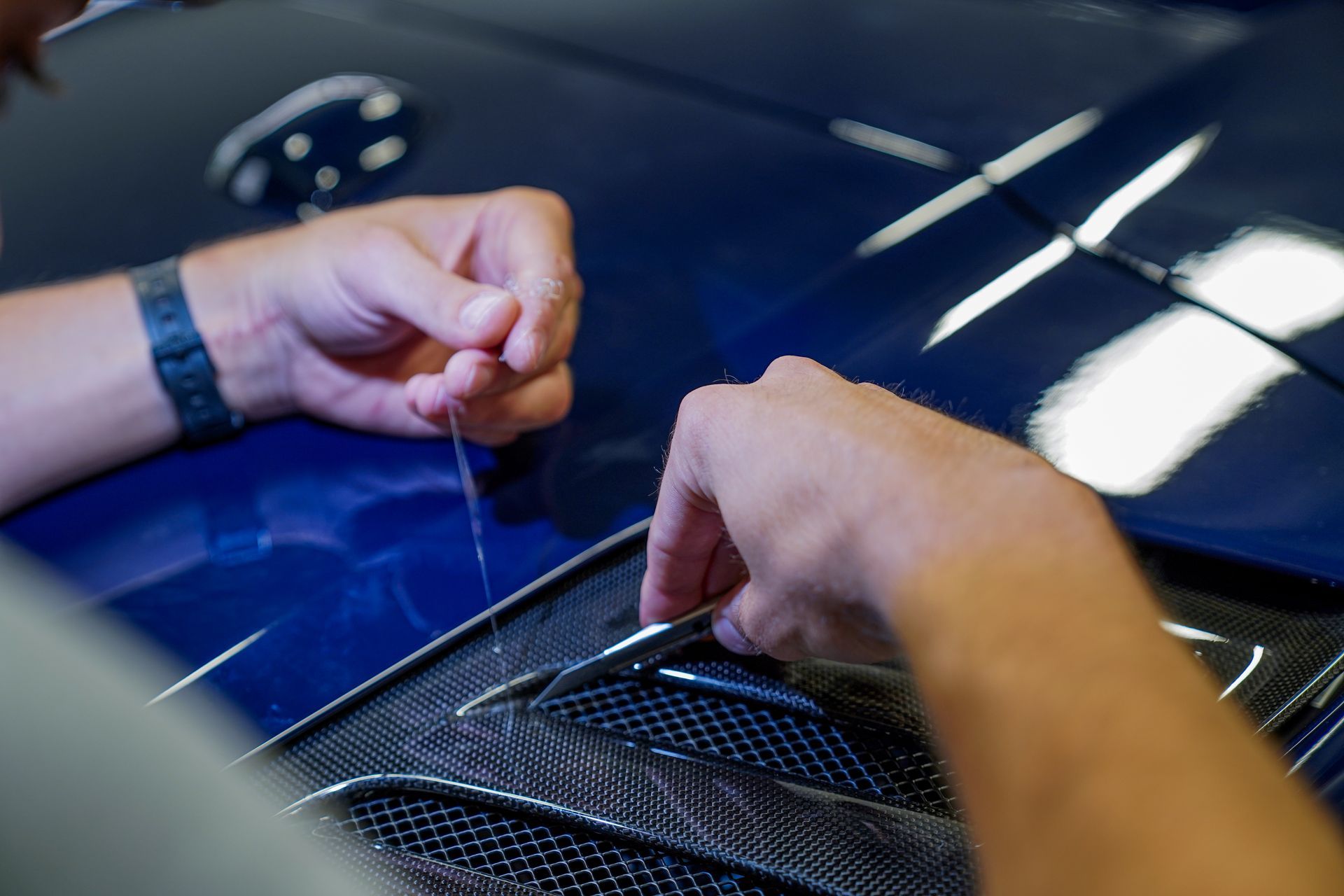
Paint Protection Film, commonly called PPF, is a clear urethane film applied to high impact areas such as the hood, bumper, fenders, mirrors, and A pillars. The film absorbs the force of rock chips and prevents direct contact with paint. Premium PPF features self healing properties that allow light scratches to disappear when exposed to heat.
Many drivers in Sterling choose partial front coverage, while others opt for full front or full vehicle protection depending on driving habits and vehicle value.
Color Change Paint Protection Film Installation
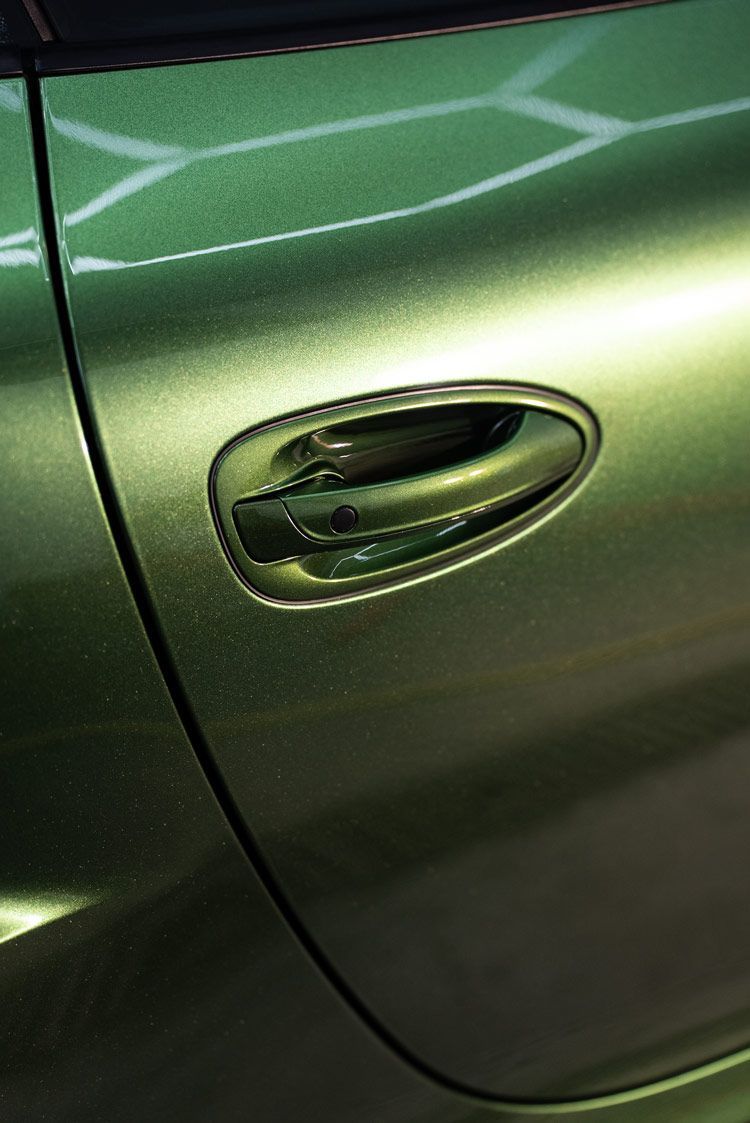
Color Change PPF provides both impact protection and aesthetic transformation. Available in satin, matte, gloss, and specialty finishes, this option allows vehicle owners to customize appearance without permanent paint modification. The film can be removed later while preserving the original factory finish underneath.
This solution is popular among drivers who want a distinctive look while maintaining strong protection against construction debris and highway gravel.
Ceramic Coatings
Ceramic coatings bond to the paint surface or over PPF to create a hydrophobic layer. Water, dirt, and contaminants slide off more easily, reducing staining and simplifying maintenance. In Northern Virginia’s climate, ceramic coatings also help resist UV exposure and chemical damage from road salt.
While ceramic coating does not prevent rock chips on its own, it enhances overall durability and keeps protected surfaces easier to clean.
Windshield Protection Treatments
Hydrophobic glass treatments improve visibility during rain and reduce contaminant buildup. Although they do not stop heavy rock impacts, they contribute to easier maintenance and improved clarity.
Repair Versus Protection
Repairing individual rock chips, repainting panels, or replacing windshields adds up quickly. For luxury and performance vehicles, refinishing often requires precise paint matching and recalibration of sensors. Preventive protection is typically more cost effective over time.
Investing in Paint Protection Film installation or Color Change Paint Protection Film installation in Sterling VA allows drivers to reduce long term repair expenses and maintain resale value.
Why Professional Installation Matters
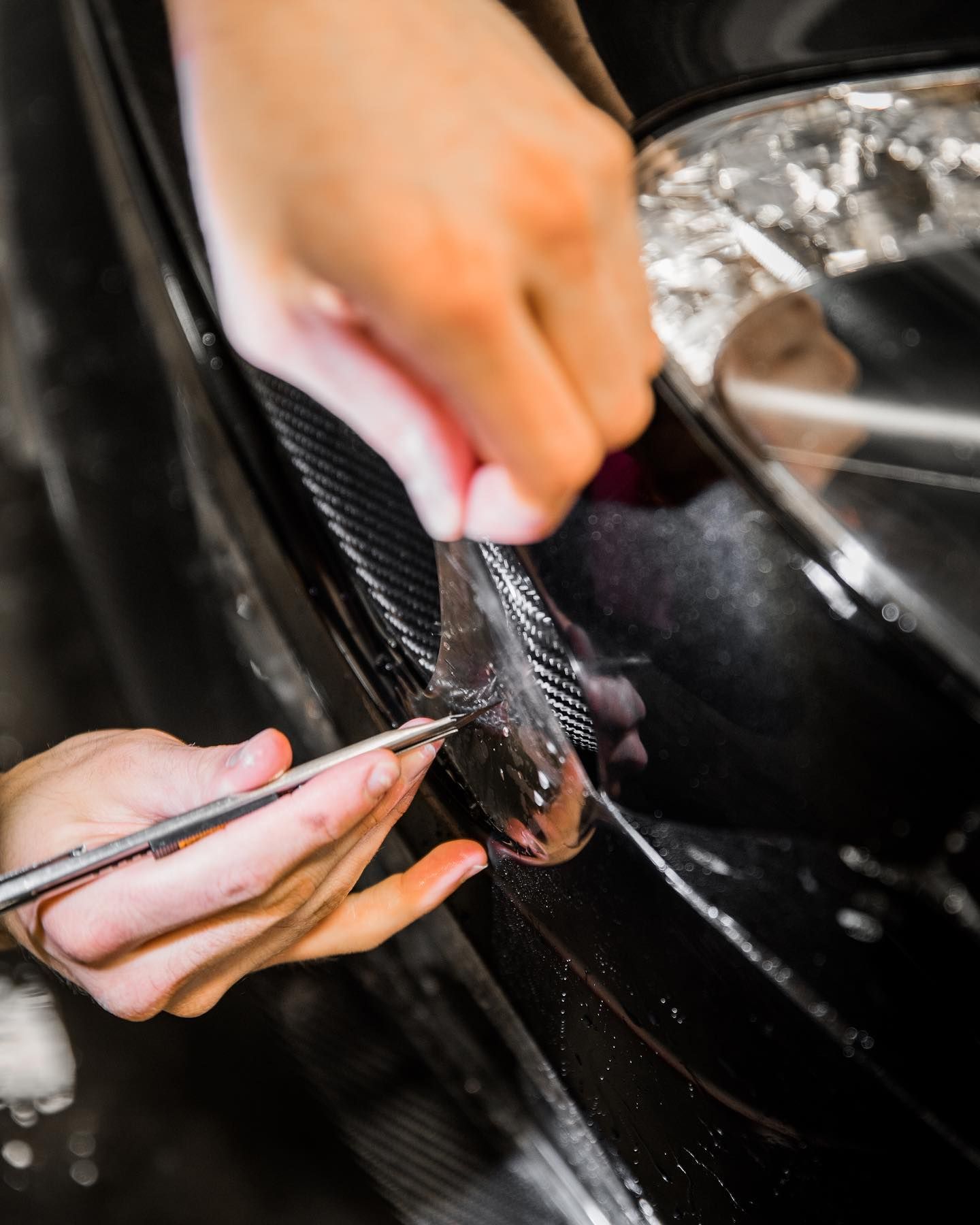
Proper surface preparation, precision cutting, and expert application determine how well protective film performs. Poor installation can result in lifting edges, trapped debris, or visible seams. Working with experienced technicians ensures film alignment, clean edges, and long lasting durability.
GlasWerks DMV provides professional Paint Protection Film installation, Color Change Paint Protection Film installation, and ceramic coatings for drivers throughout Sterling and Northern Virginia. Each installation is tailored to the vehicle, driving habits, and protection goals of the owner.
Protect Your Vehicle from Northern Virginia Road Conditions
Rock chips and road debris are unavoidable realities of driving in Sterling, Ashburn, and the greater Northern Virginia area. Construction growth, commuter traffic, and seasonal weather create consistent exposure to loose gravel and deteriorating pavement.
Combining smart driving habits with professional protective solutions offers the strongest defense. If you want to reduce paint damage, prevent costly windshield repairs, and preserve your vehicle’s appearance, schedule a protection consultation with GlasWerks DMV today. Contact GlasWerks DMV to learn more about Paint Protection Film installation, Color Change Paint Protection Film installation, and ceramic coatings designed for real world driving conditions in Sterling VA.